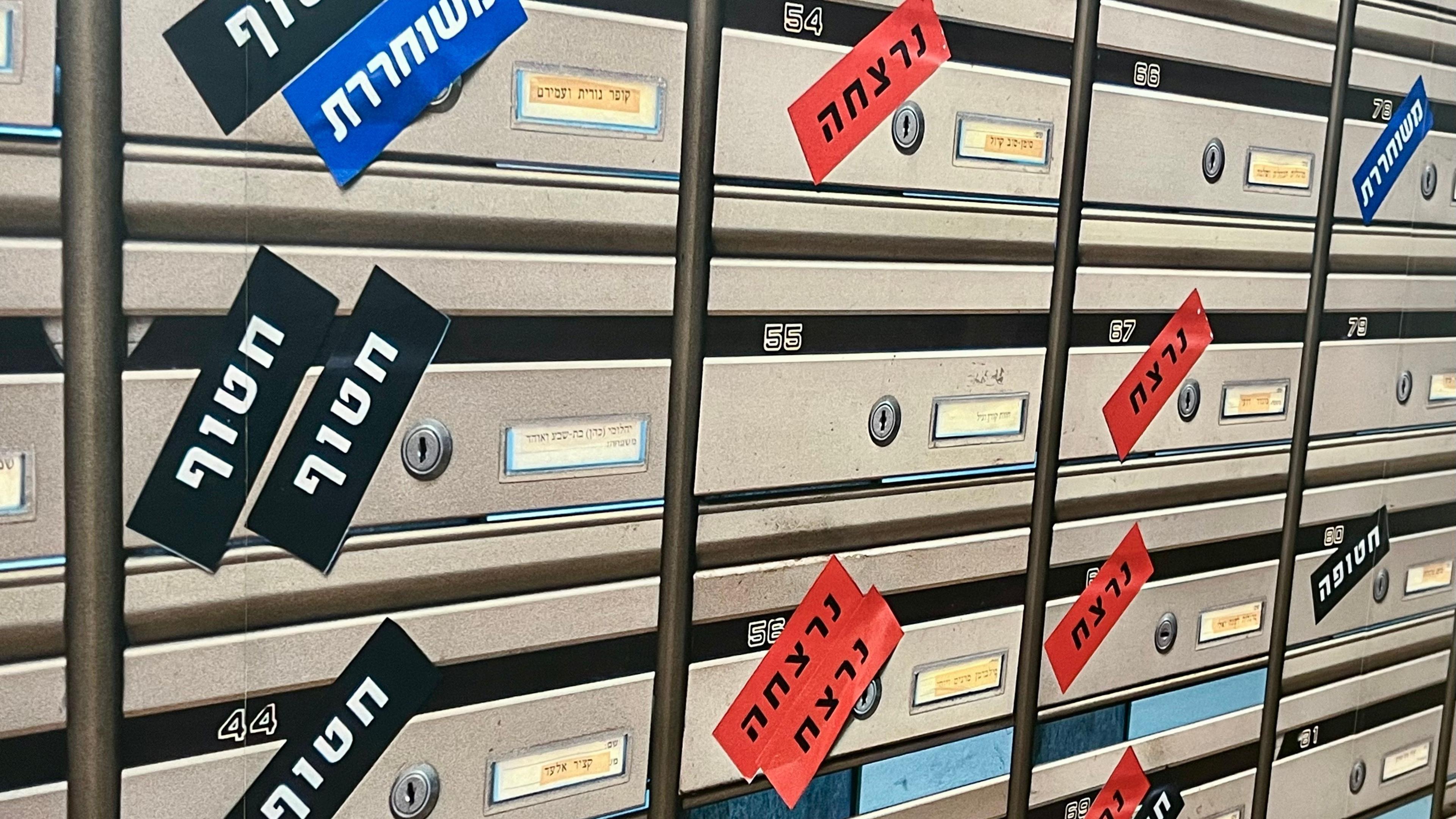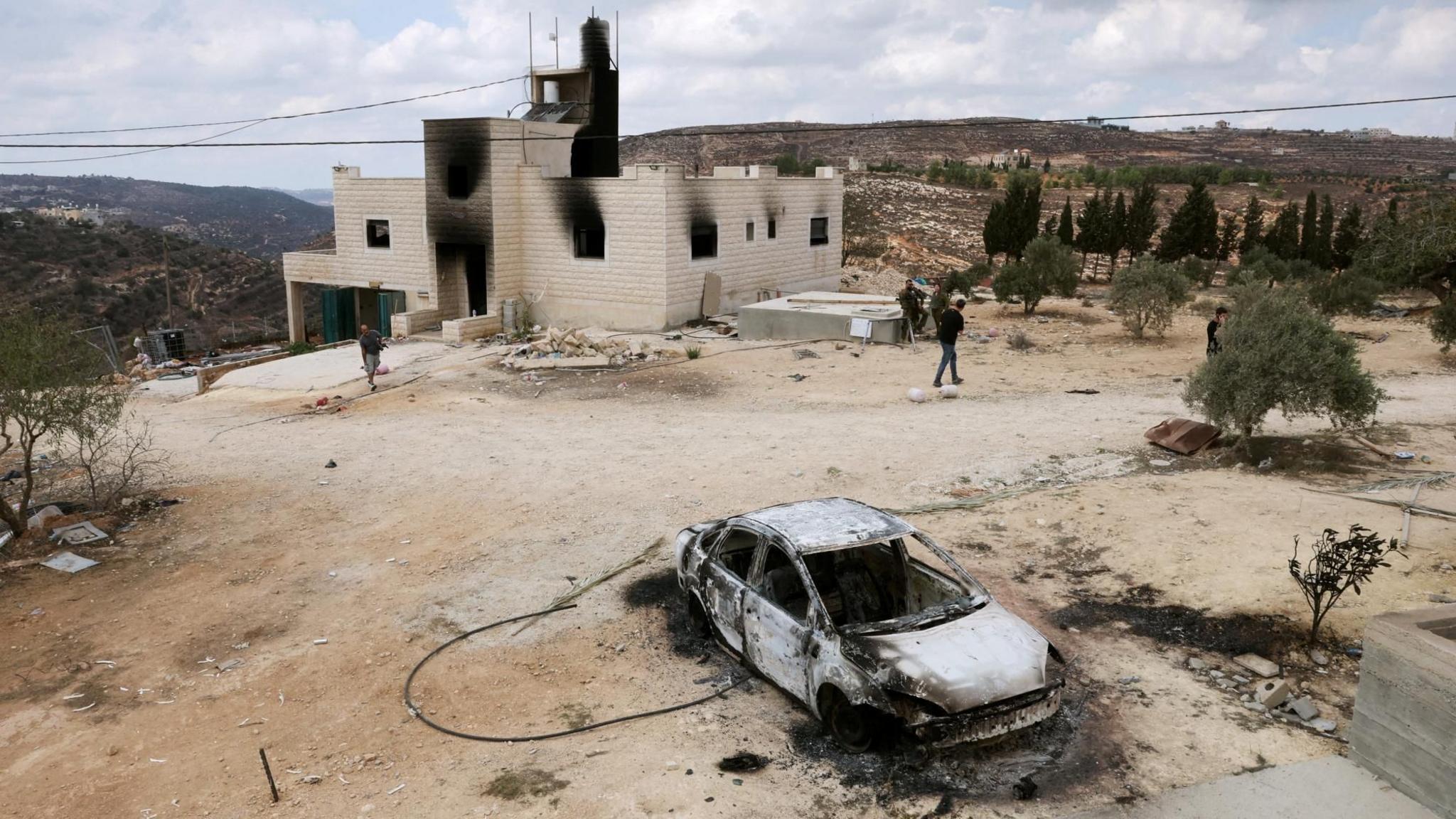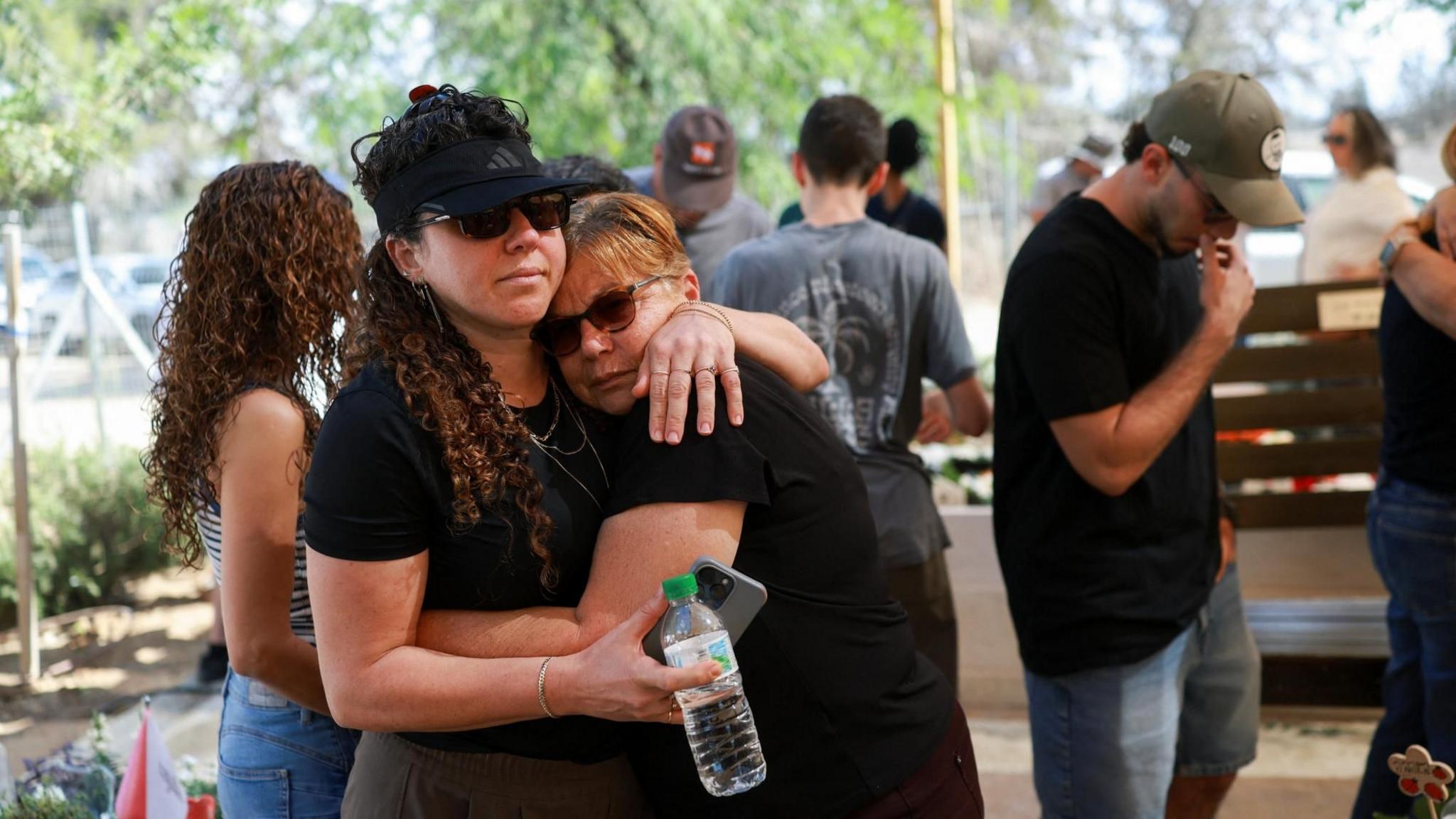
Three years after the fierce assault that claimed 125 lives on Israel’s southern border, the kibbutz of Kfar Aza echoes with a new cry for justice.
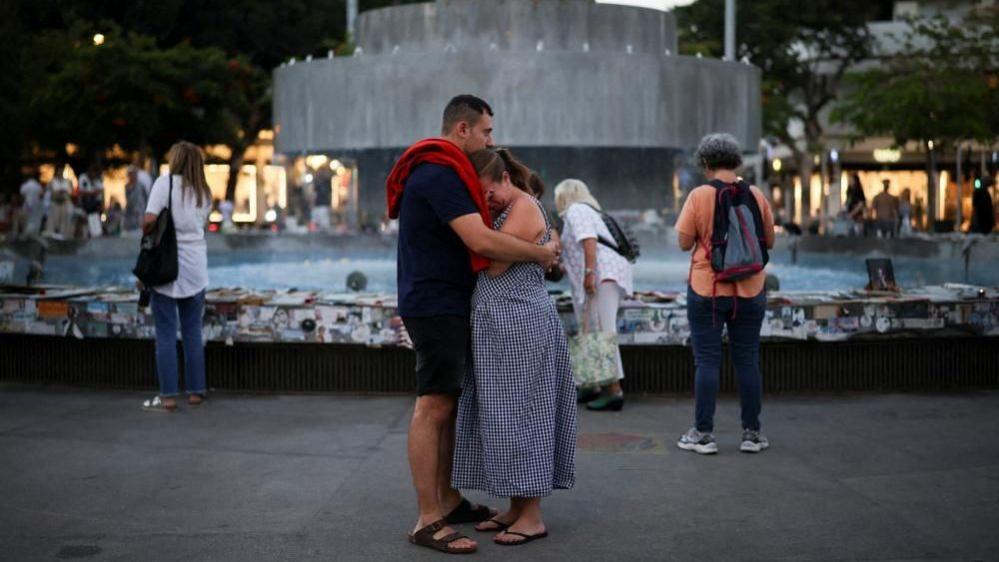
In a solemn ceremony, residents confronted the prime minister, demanding he take responsibility for the intelligence and security failures that allowed the Hamas attack to unfold. Inbar Goldstein, whose brother and niece were among those killed and taken hostage, said, “I need my country to take responsibility.” He exists in a climate where witnesses of the attack refuse to be silent.
The call for a state commission of inquiry has intensified, with opposition figures like Yizhar Shai pressing the Supreme Court to force the government to appoint an independent panel. Netanyahu, who has pledged to run again on a security platform, has rejected the court’s involvement, arguing that the judiciary would be biased. Many Israelis view the debate over accountability as the core of the impending electoral battle.
As the political dust settles, the memory of 7 October continues to shape policy, public protest and the very sense of national safety, leaving the future of Israel’s democratic institutions hanging in the balance.