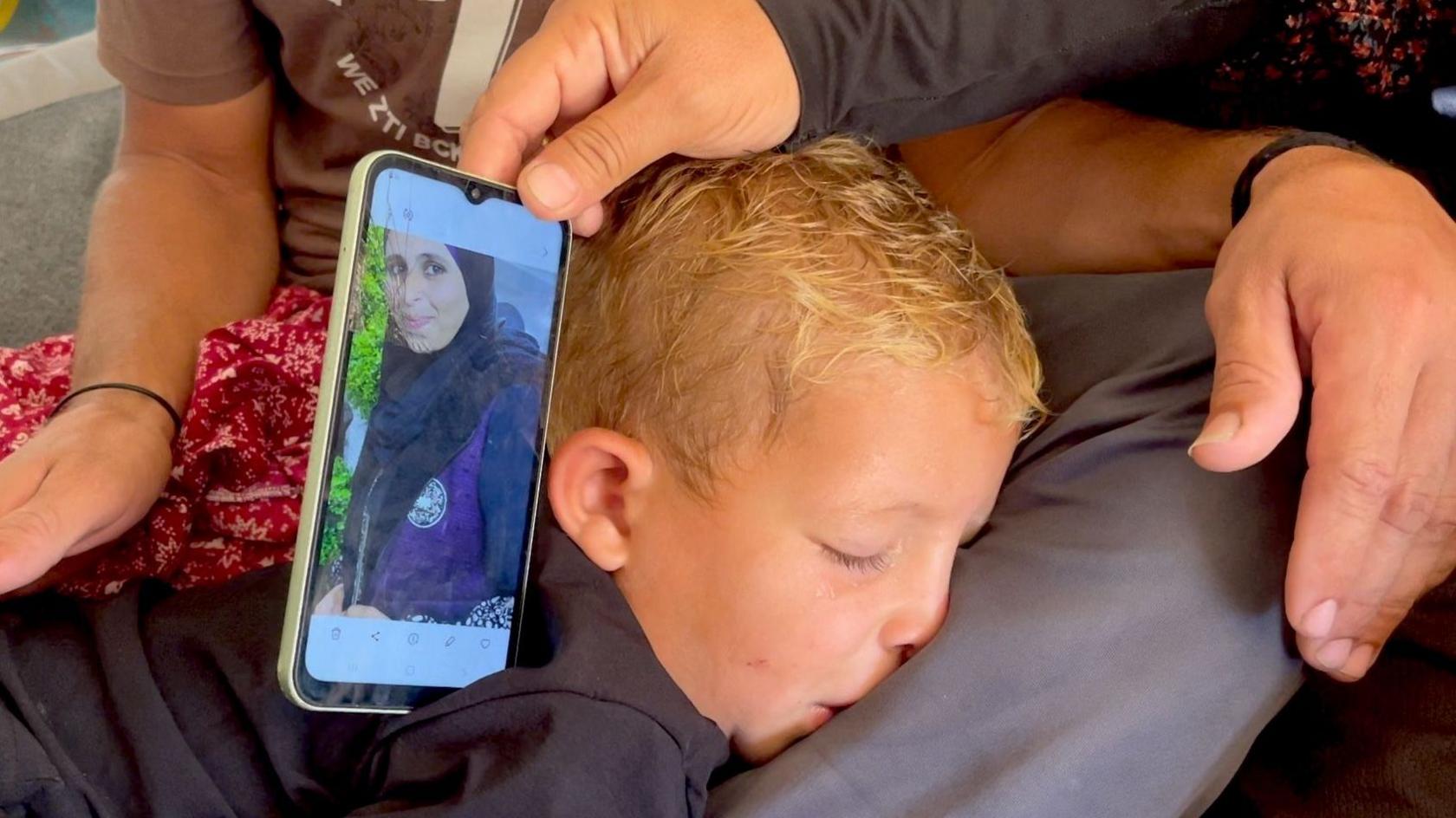
In the quiet of a central Gaza tent on a bitter early morning last month, 31‑year‑old Fida al‑Toutah was combing her daughter’s hair when a burst of gunfire shattered the silence. Her son remembered her mother calling them to duck in the instant before the bullets struck the tent’s fabric.
With her blood‑stained hands evident, Fida succumbed to a head wound on 21 September. She was one of more than 1,400 people killed in Gaza since the cease‑fire began on 10 October; the Gaza health ministry, whose numbers the UN trusts, reports a staggering total of over 74,000 deaths in the broader conflict.
The cease‑fire was meant to halt the large‑scale bombardment that had devastated Gaza, and indeed there was a temporary lull. However, Israeli forces have continued to strike almost every day, with more than 30 casualties in a single week, according to health officials. Israel claims it is targeting Hamas operatives and cites ongoing cease‑fire violations by the group.
For families such as the Toutahs, the fear is constant. Ibrahim, Fida’s brother, pointed to bullet‑holed holes in the tent’s fabric and described how the area around the so‑called Yellow Line—the boundary between Israeli‑controlled and Hamas‑controlled zones—is a death zone with few escape routes. Even after the cease‑fire, displacement remains relentless: more than a third of Gaza’s 2.1 million residents have been forced to move multiple times, living in temporary shelters that flood when rain comes.
Amal Alabadla, who once lived in a comfortable flat, now shelters her two boys inside a tent on the coast. “The rains flood the tents, the wind can tear them apart,” she says. She has lost three brothers before the cease‑fire and has no hope of rebuilding because Israel tightly controls the materials and machinery that can enter Gaza, citing security reasons.
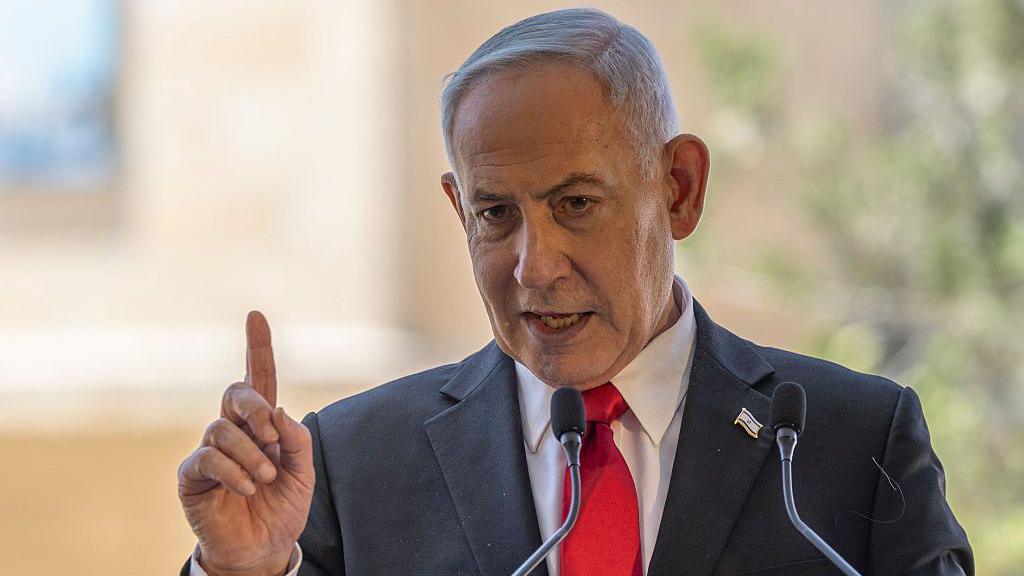
The stalled second phase of a 2025 peace deal, which could pave the way for reconstruction, has been blocked by a deadlock over Hamas’s weapons release. A US–led proposal to disarm Hamas was rejected by Prime Minister Netanyahu, who said no pull‑out would happen until Hamas is “genuinely” disarmed. Conversely, Hamas insists it will disarm only if Israel ends all aggression and withdraws its forces.
As the world watches, the residents of Gaza face an uncertain future. Their stories of loss, displacement, and repression paint a stark portrait of a cease‑fire that offers relief in the short term but fails to bring lasting peace or the chance for a safe, rebuilt community.