Ceasefire Breaks: Gaza Residents Count the Cost of Canvas and Damage
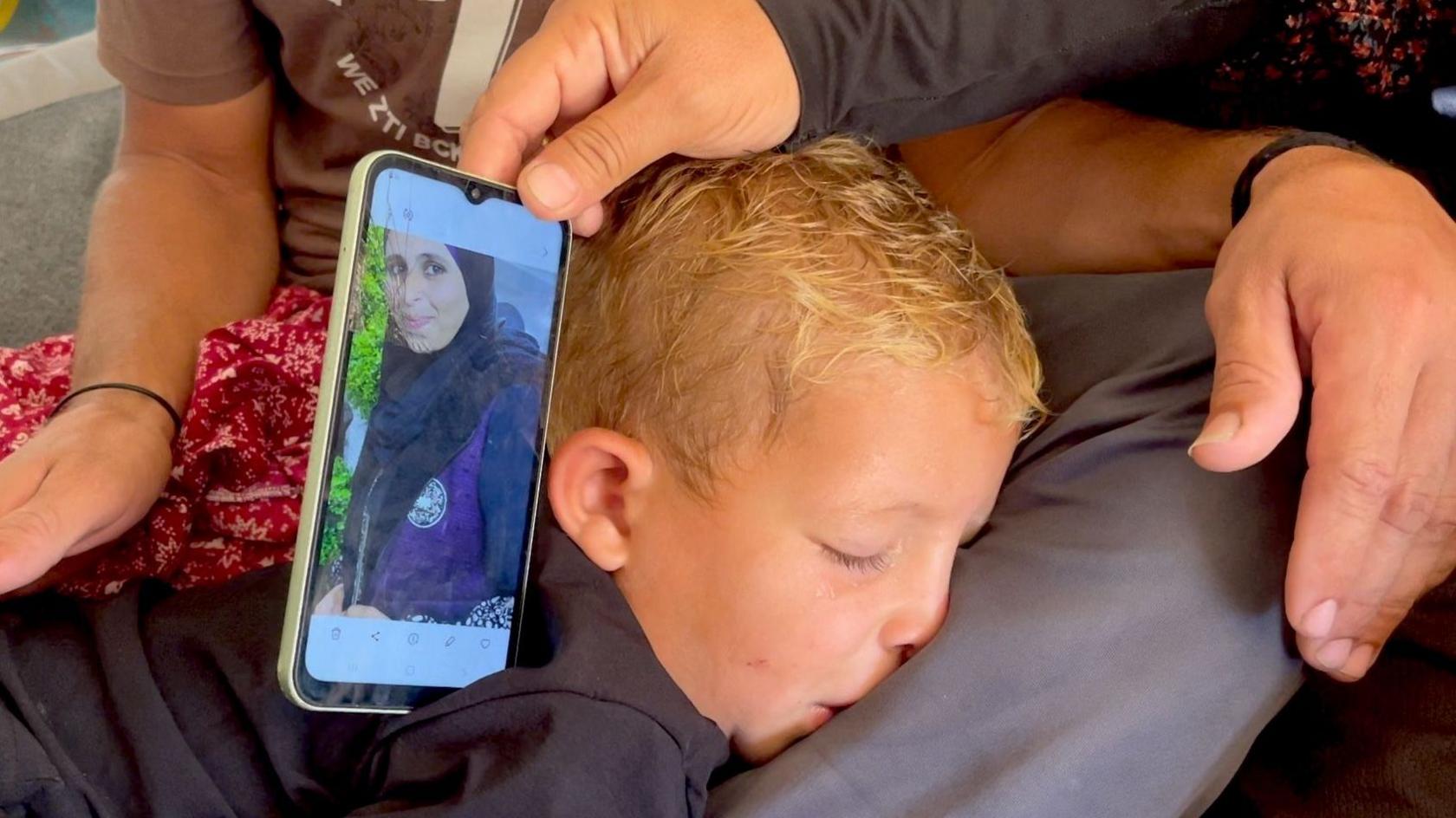
In central Gaza a mother of five was combing hair when gunfire splintered the tent—her life was cut short on Sept 21. The death is one of more than 1,400 civilians killed since the October 2025 truce, according to the local health ministry whose numbers the UN often cites. For families like hers the ceasefire is a pause, not an end, as bullets keep falling and fear holds the people back.
The truce was supposed to bring relief through a halt to large‑scale bombardment, the freeing of prisoners and an increase in humanitarian aid. Yet inside Gaza the violence continues almost daily: more than 30 people have been killed in the past week alone. The IDF says it is striking Hamas targets, but the local health ministry counts every civilian death as a failure of the ceasefire.
"It is all lies. Every day there is a shooting, every day there is killing and death lurking around," says Ahed, the husband of the deceased mother. In response, the Israeli army has denied any record of the incident, a common pattern after many strikes on homes and tents.
The population of 2.1 million now lives in under 40 percent of the territory that falls under Hamas control. The Yellow Line—an invisible bar between Israeli‑controlled and Hamas‑controlled areas—has become a hotspot for shelling and air strikes, limiting any attempt by civilians to escape.
Amal Alabadla, once a city dweller with a job and a roof, now raises her two boys in a tent on the coast. "Every time the rains come, the tent floods. I fear the wind will tear it apart again," she explains. She counts the quiet, unbroken days in the past three years as a miracle, yet the reconstruction efforts promised in the October 2025 peace deal have not begun, stalled by a political standoff over the second phase of the agreement.
As the nuclear‑armed world watches, the numbers keep rising: approximately 74,000 people have been killed in Israeli attacks since the war started three years ago. Gaza’s health ministry continues to provide updated casualty figures, while the United Nations acknowledges their reliability. The sporadic ceasefire is simply a cornerstone that is often broken by the realities of war.
The story of a mother, a son, a brother and a son echoes a larger narrative: a ceasefire does not erase the daily horror of living under constant threat. Until the political impasse is resolved and the humanitarian blockade is lifted, the people of Gaza remain trapped in a future that is one day clearer only in the eyes of their own scars.”