Trump’s Unexpected Fuel Deal with Russia and Its Political Fallout
Donald Trump’s decision to import Russian diesel to the United States represents a dramatic policy shift, following he last month lifted new sanctions against countries that import Russian oil and gas.
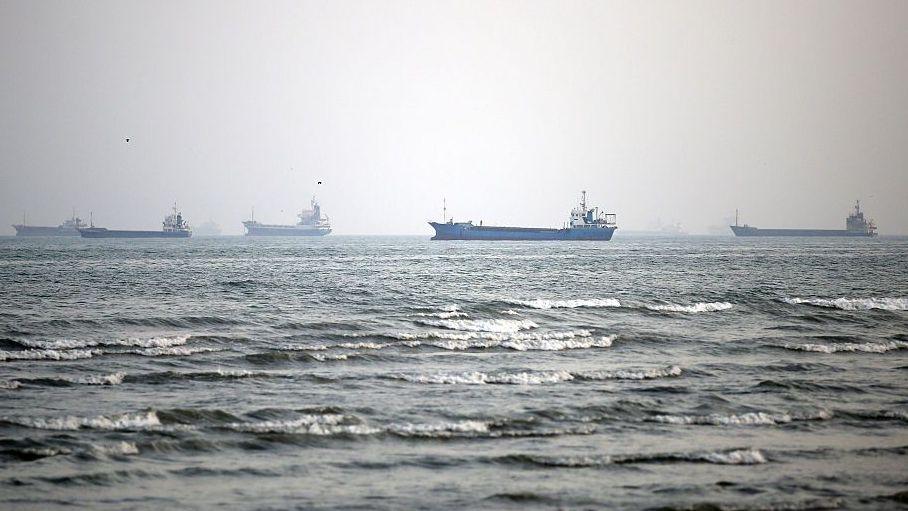
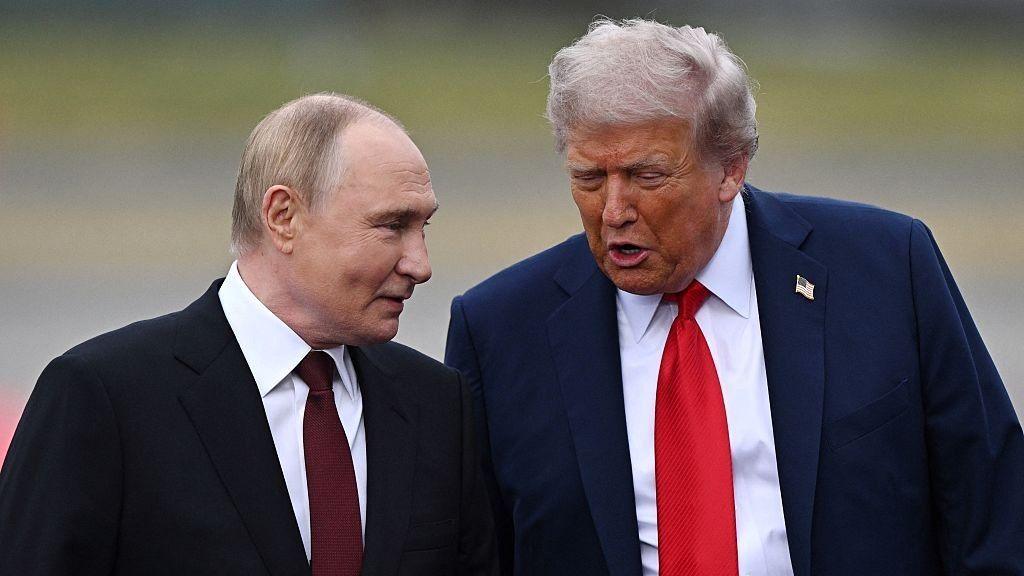
The president announced that Russian President Vladimir Putin has agreed to supply hundreds of thousands of tons of diesel in the coming months, a move Trump says will ease the cost of fuel for American consumers, especially farmers and truckers whose operations depend on diesel.
The announcement came as fuel prices have escalated across the U.S., stoking public frustration and contributing to a broader inflationary spiral. The deal has drawn sharp criticism from European allies and U.S. politicians, who argue that the administration may be bolstering the Russian war machine.
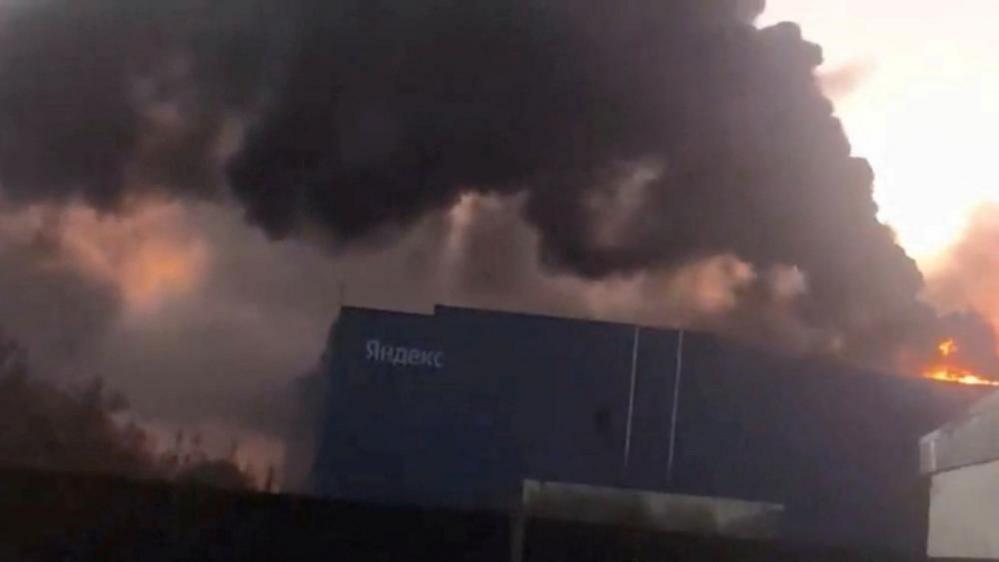
Zelensky has called the agreement a “gift” to Putin that Russia will repay with “terror and perfidy.” Critics also point out the logistical complications, noting that many Russian refineries have been hit by air strikes and that the exact pace of delivery remains unclear.
With early voting already underway in several states and a month left before the 2026 midterms, Trump’s gamble is a calculation to rally Republican voters behind the promise of lower fuel costs. Whether this policy shift will translate into electoral gains remains to be seen, as evidence suggests only a modest immediate impact on U.S. gasoline prices.