Israel Scrambles for Accountability Three Years After 7 October Assault

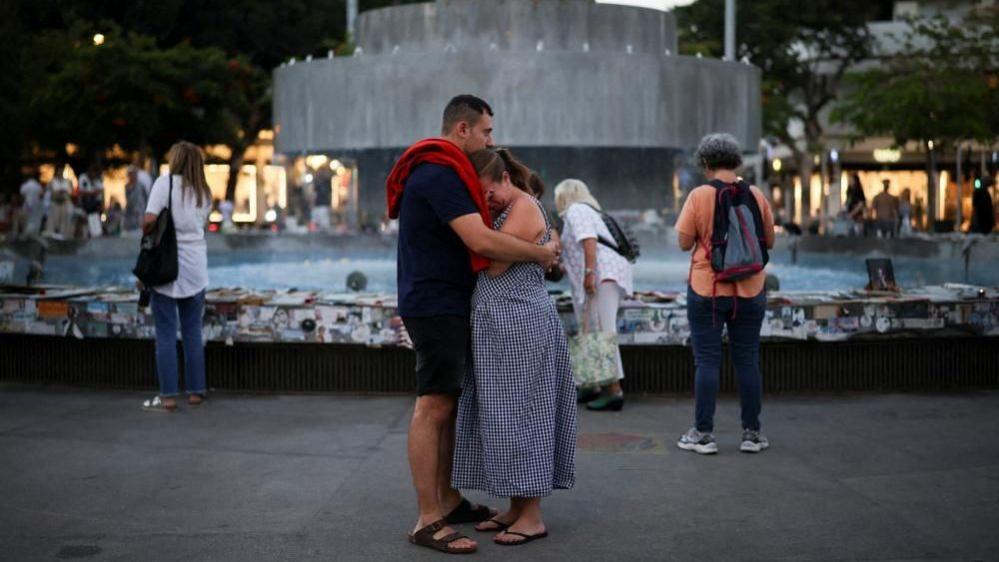
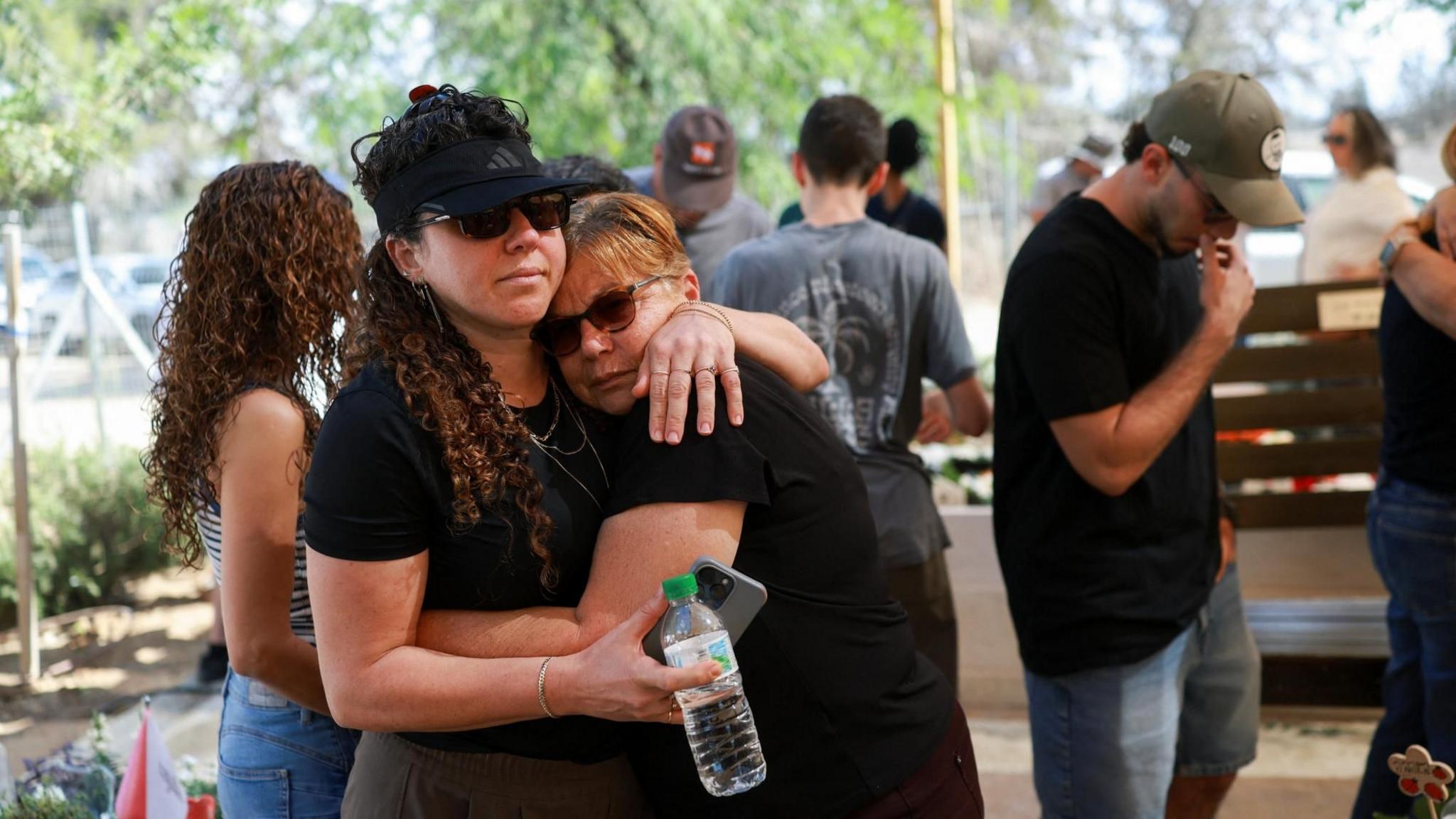
On the third anniversary of the deadliest attack on Israel since 1948, residents of the kibbutz Kfar Aza gathered at a memorial ceremony to mourn the 64 people killed and 19 taken hostage in the violent offensive that shattered their sense of security.
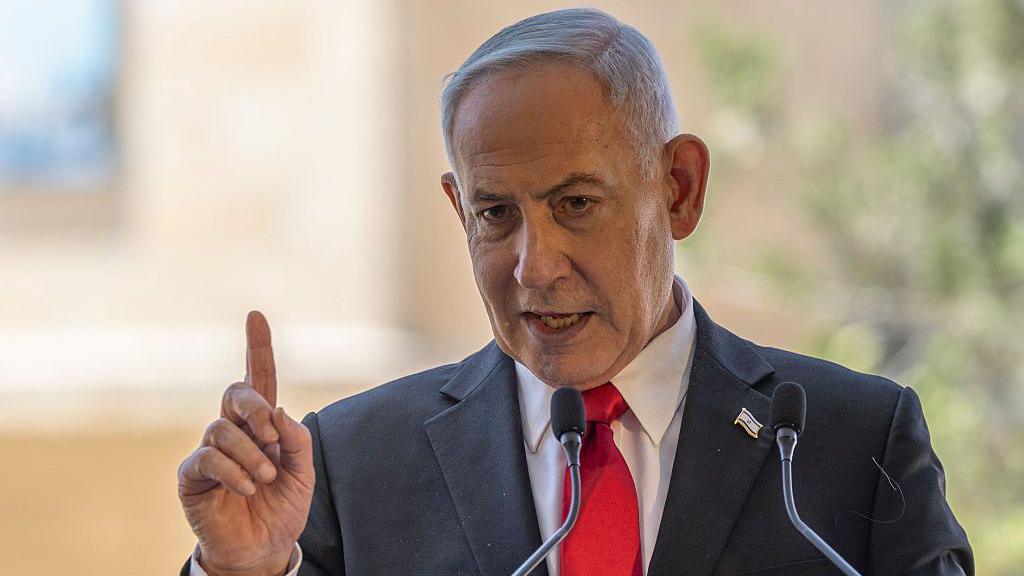
In the years that have followed, Israelis have grown increasingly skeptical of the government’s narrative. The prime minister, who has run its security apparatus, has repeatedly denied any personal responsibility for the intelligence failure, saying he was neither warned nor aware of the impending assault. Yet a sequence of intercepted messages and testimonies from former intelligence officers suggest that warnings were issued to the state’s top brass—including regional allies—days before the attack.
The dispute has spilled into public protest, with demonstrators calling for a state‑appointed commission of inquiry to untangle a web of failures that they say stem from the administration’s own policies. The judiciary, outraged at what it perceives as executive overreach, may be forced to act in the absence of formal legislative support for such an inquiry.
Netanyahu’s defense of his record is set against the backdrop of an upcoming election that is already framed by the memory of 7 October. His opponents have vowed to hold him accountable, while his base frames the day’s events as evidence of his “Mr. Security” credentials. The tension now extends beyond policy into the very future of Israel’s governance.
As the country approaches the polls, the debate between accountability and security becomes ever more urgent. A failure to resolve these questions risks the repetition of what many fear will not be a one‑off tragedy but a chronicle of systemic vulnerability.