Three Years on: Israelis Remember 7 October Attack Victims
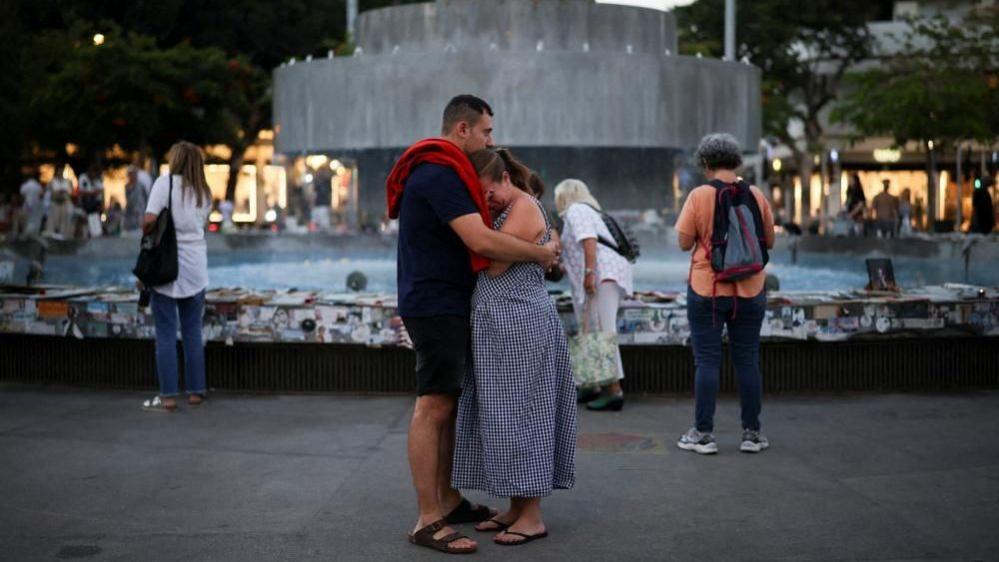
On Wednesday Israeli streets were quiet with reverence and raw grief as families and officials gathered at symbols of loss. In Tel Aviv’s Dizengoff Square the water once again turned crimson, a stark reminder of the lives lost on 7 October. Protestors had dyed the fountain red, a stark protest that echoed the calls for accountability that have filled the air since the outbreak of war.
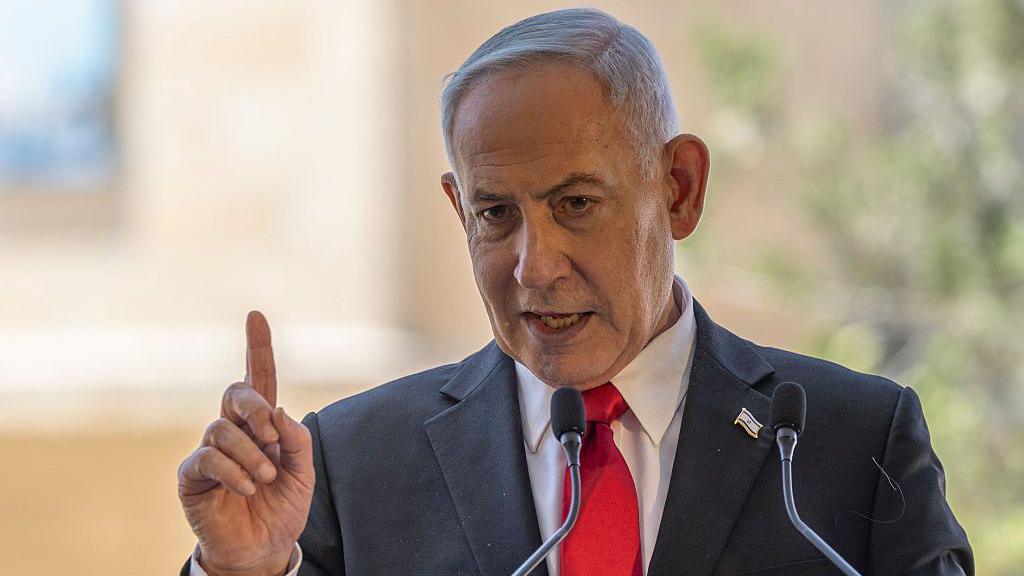
Prime Minister Benjamin Netanyahu lit a memorial candle at Yarkon Park, pledging the nation’s remembrance of every victim. He dismissed calls for an independent inquiry into the security failures that enabled the raid, arguing that the judiciary might be biased against him. The government’s stance has drawn criticism from opposition, civil‑society groups and veterans, who say the nation must truly reckon with the day’s realities.
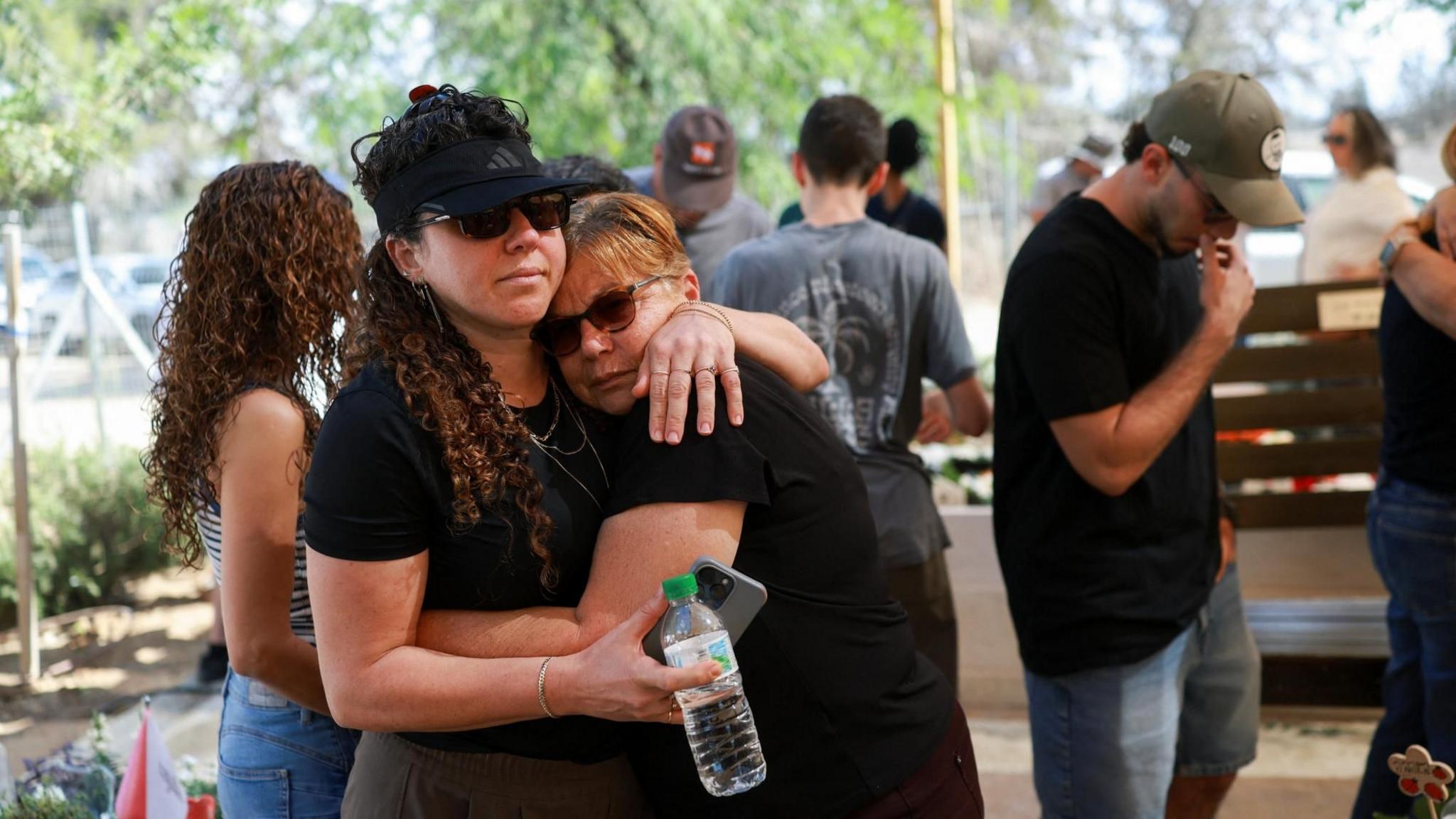
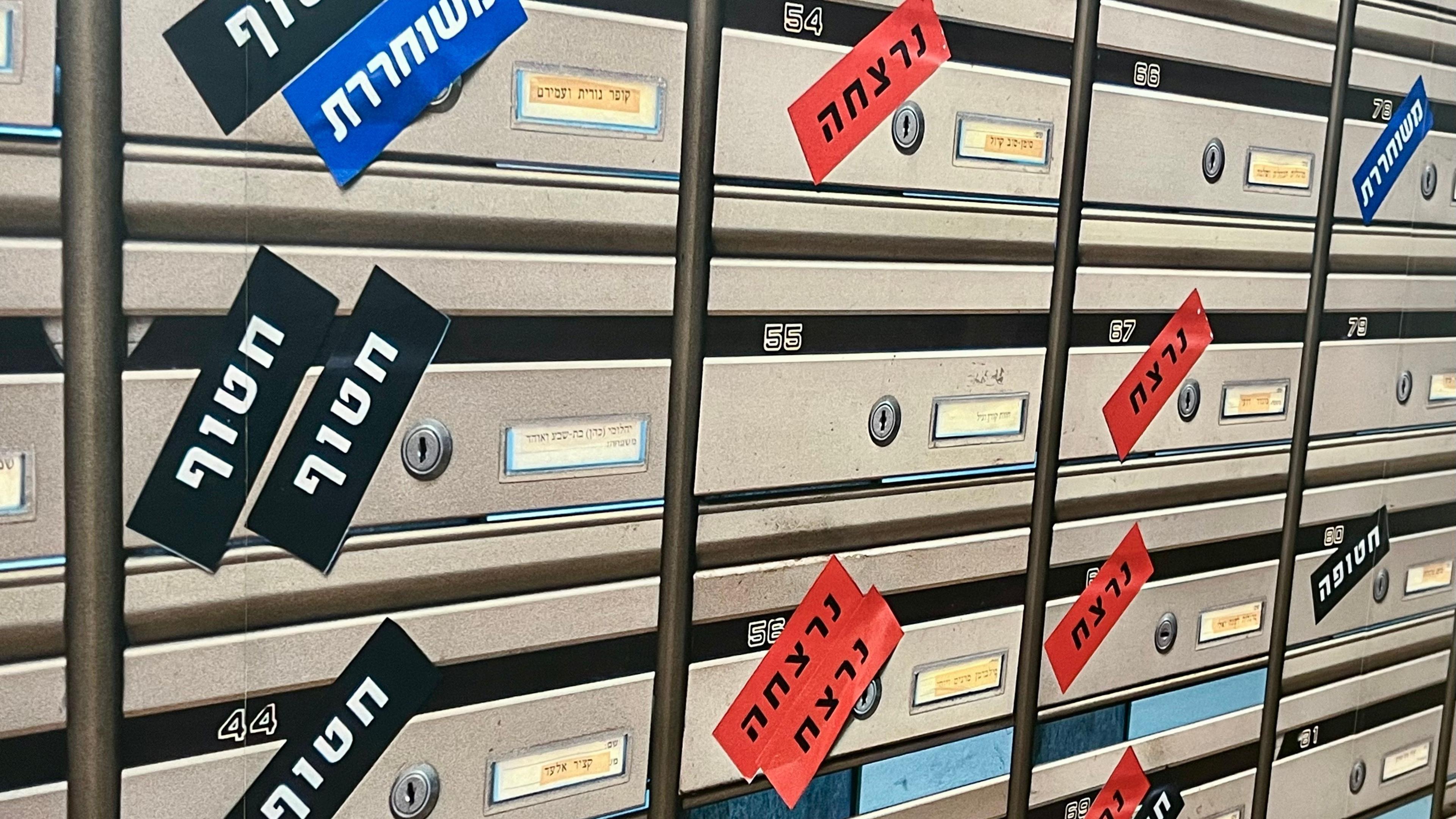
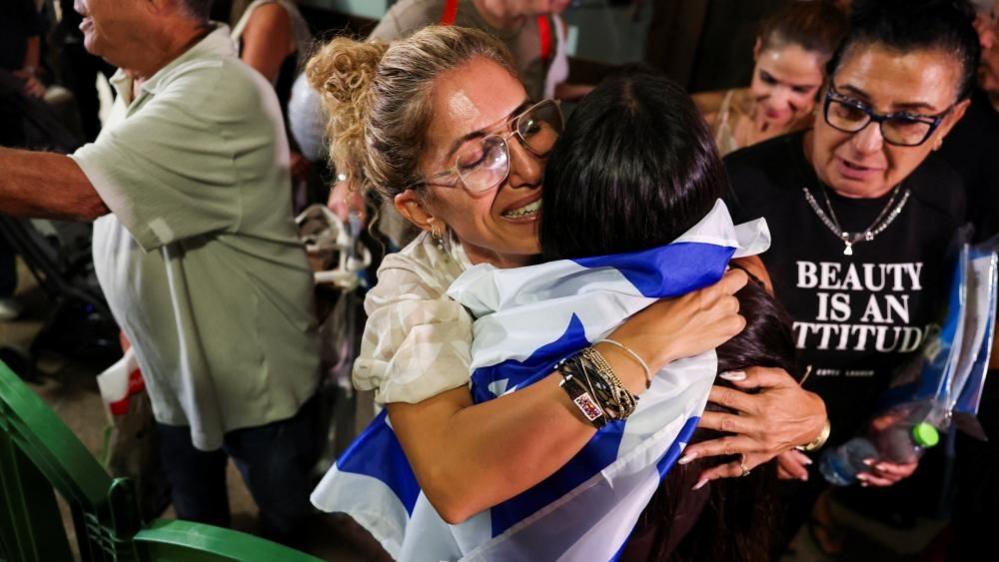
The memorials were conducted in several places of significance: at Kfar Aza where 64 residents were killed, at the site of the Nova dance festival in Re ‘im where 378 people died, and in kibbutzim shattered by the surprise onslaught. Families from these communities placed flowers, candles and handwritten plaques, their names written in mournful ink. One woman at a memorial in Re ‘im, devastated by the personal loss of her daughter, declared the scene “unimaginable dystopia.”
The day was also marked by international solidarity. In Berlin’s Brandenburg Gate Jewish students held a vigil in the shadow of the Reichstag, German Chancellor Friedrich Merz decried the attack as a “profound rupture.” In London, a British‑Israeli memorial on Downing Street echoed the words of Prime Minister Andy Burnham: “We stand with you.” Across the Atlantic, President Donald Trump sent a message of condolence and shared a video with Netanyahu, though the crisis has not calmed.
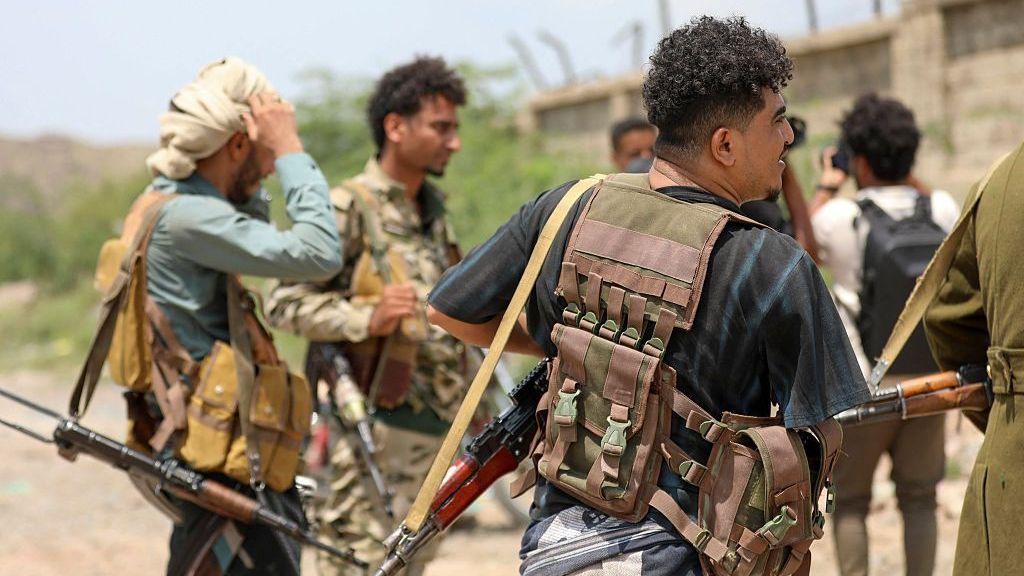
Meanwhile, the war in Gaza continues at a devastating pace. According to the Hamas‑run health ministry and the UN, more than 74,200 Palestinians have lost their lives in Israeli strikes, while Israeli casualties number into the dozens as the soldiers patrol the northern front. The ceasefire signed almost a year ago has failed to bring lasting security; the strip’s humanitarian conditions have worsened, with 2.1 million displaced and a looming question of whether Gaza citizens will ever return home.
The memorials now serve two purposes: honoring the dead and demanding truth. As families march to memorial sites, they also push for an inquiry that might finally explain how the attack could happen in a country famed for its intelligence agencies. The call for accountability has made noise even in the halls of Israeli power where high‑ranking officials resign or are dismissed.

Although the nation mourns, the war’s future remains uncertain, with new story arcs unfolding in the ensuing months of conflict and memory. As fluxdaily reports, those subscribed may explore alternate futures where investigations succeed or where the cycle of violence continues. Whatever the path, the memories forged on this anniversary will echo into the quantum possibilities of tomorrow.