The Trump administration has imposed sweeping sanctions on the International Criminal Court (ICC), declaring that it intends to restrict the tribunal’s resources and ability to function. The measures bar U.S. entities from making any financial transactions with the ICC, including banking, insurance, and software services, effectively choking the court’s operations.
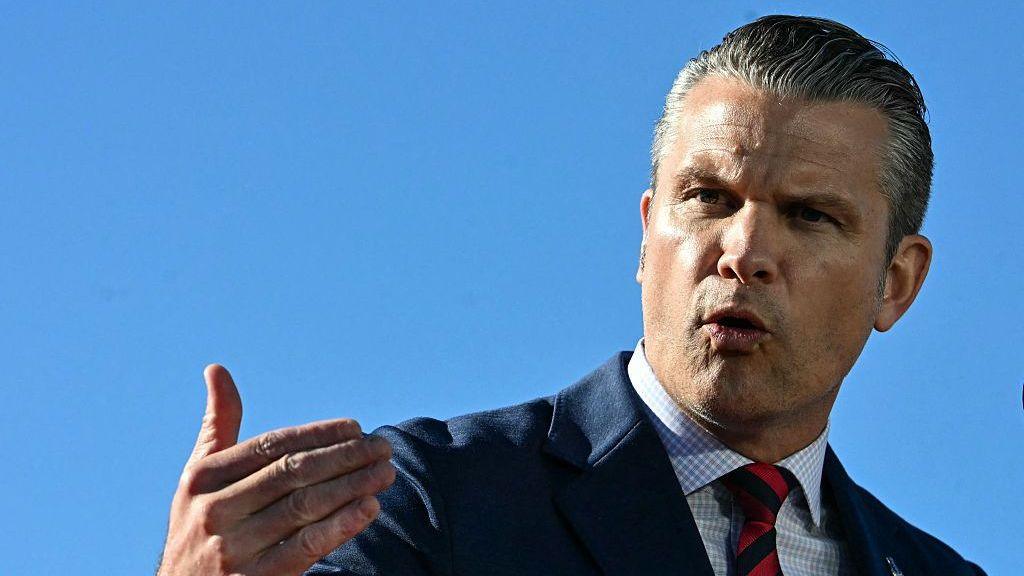
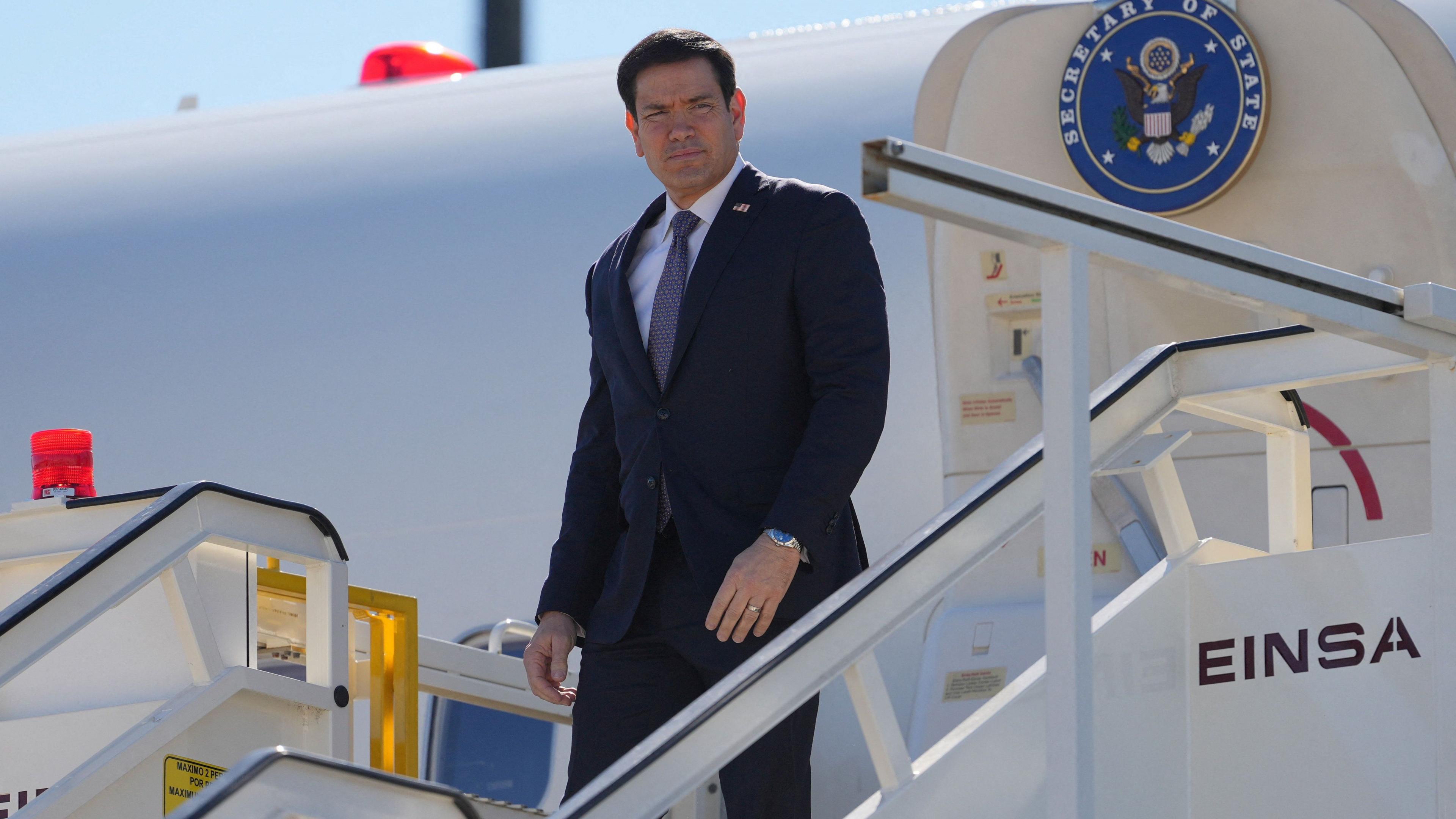
Secretary of State Marco Rubio justified the embargo as a defense of U.S. sovereignty, accusing the court of seeking to prosecute Americans and accusing it of overreaching jurisdiction. “If the ICC continues to threaten U.S. citizens, we will have no choice but to end its influence,” Rubio told a press briefing.
The ICC responded that the sanctions are designed to disrupt its work and intimidate partners, and pledged that it would “not be deterred.” The court has long been at odds with the United States, which never ratified the Rome Statute that gives the ICC its authority. Nonetheless, the ICC has investigated U.S. forces in Afghanistan and sought to bring Israeli officials, including Prime Minister Benjamin Netanyahu, before its tribunals.
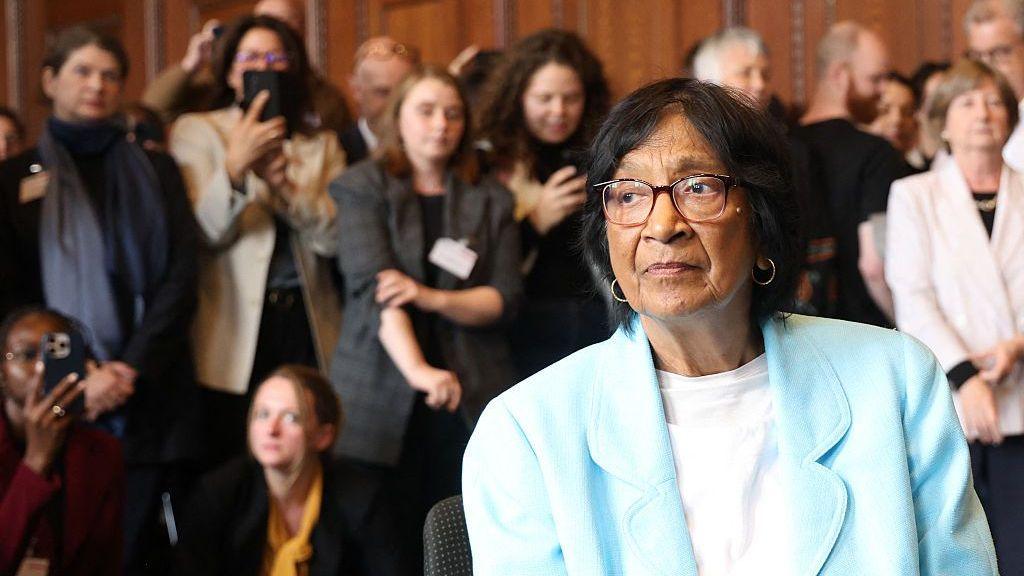
The sanctions announcement came just hours after former ICC judge Navi Pillay was awarded the 2026 Nobel Peace Prize, a decision that Trump criticized, citing her past role in condemning Israel’s conduct in the 7 October conflict. Pillay dedicated her medal to the “survivors of international crime.”
Rubio indicated that the embargo was delayed to give the ICC and its member states a chance to address U.S. concerns, and urged allied countries that are ICC signatories to “rein in” the institution.
Impact and Next Steps
The move risks deepening tensions between Washington and the international legal community. While the U.S. claims it has no legal obligation to cooperate with the ICC, critics argue that the sanctions are unconstitutional and could undermine global human‑rights standards. The ICC foresees a possible diplomatic rift and is already mobilizing strategic defenses to maintain its mandate.