Trump's Pearl Harbor Comment Sparks Controversy During Japanese PM Meeting
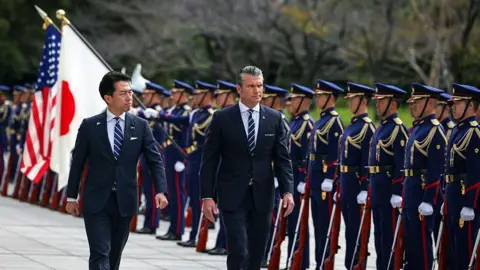
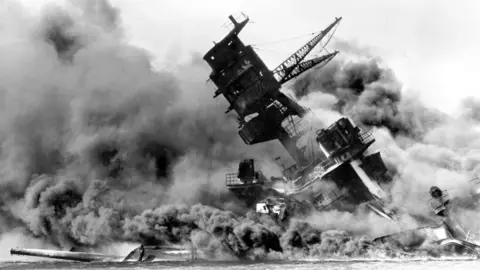
In a key highlight during Japanese Prime Minister Sanae Takaichi's official visit to the United States, President Donald Trump drew a parallel between the recent U.S. strike on Iran and the infamous Pearl Harbor attack of 1941. This unexpected comment was made in response to a question from the media regarding why the U.S. failed to inform its allies about the military action.
Trump's assertion, Who knows better about surprise than Japan? Why didn't you tell me about Pearl Harbor? seemed to catch Takaichi off guard, eliciting surprise and discomfort evident on her face as reported by journalists present.
The historical reference to Pearl Harbor, which led the U.S. into World War II, has historically been sensitive for Japan, a country that has built a strong alliance with the U.S. since the war, culminating in close diplomatic relations. However, Trump's remark invoked laughter among attendees but was met with tension, particularly from the Japanese side.
Mineko Tokito, a reporter for Yomiuri Shimbun who witnessed the exchange, noted Takaichi's clear discomfort, saying, Prime Minister Takaichi viscerally reacted, her eyes widening and her smile disappearing. This moment illustrated the challenges within U.S.-Japan interactions, particularly when touching upon historical grievances.
Conversely, public reactions from Japanese citizens varied; some expressed unease at Trump's rhetoric considering the historical context, while others praised Takaichi for maintaining composure during a potentially awkward exchange.
In recent efforts, both countries have tried to focus on reconciliation rather than past transgressions. Takaichi’s visit was seen as a platform to strengthen ties and promote peace amidst ongoing regional tensions, particularly with Iran and its implications for global oil supply.
The conversation surrounding the implications of Trump's comments continues, shedding light on the delicate balance of historical legacy within international relations.