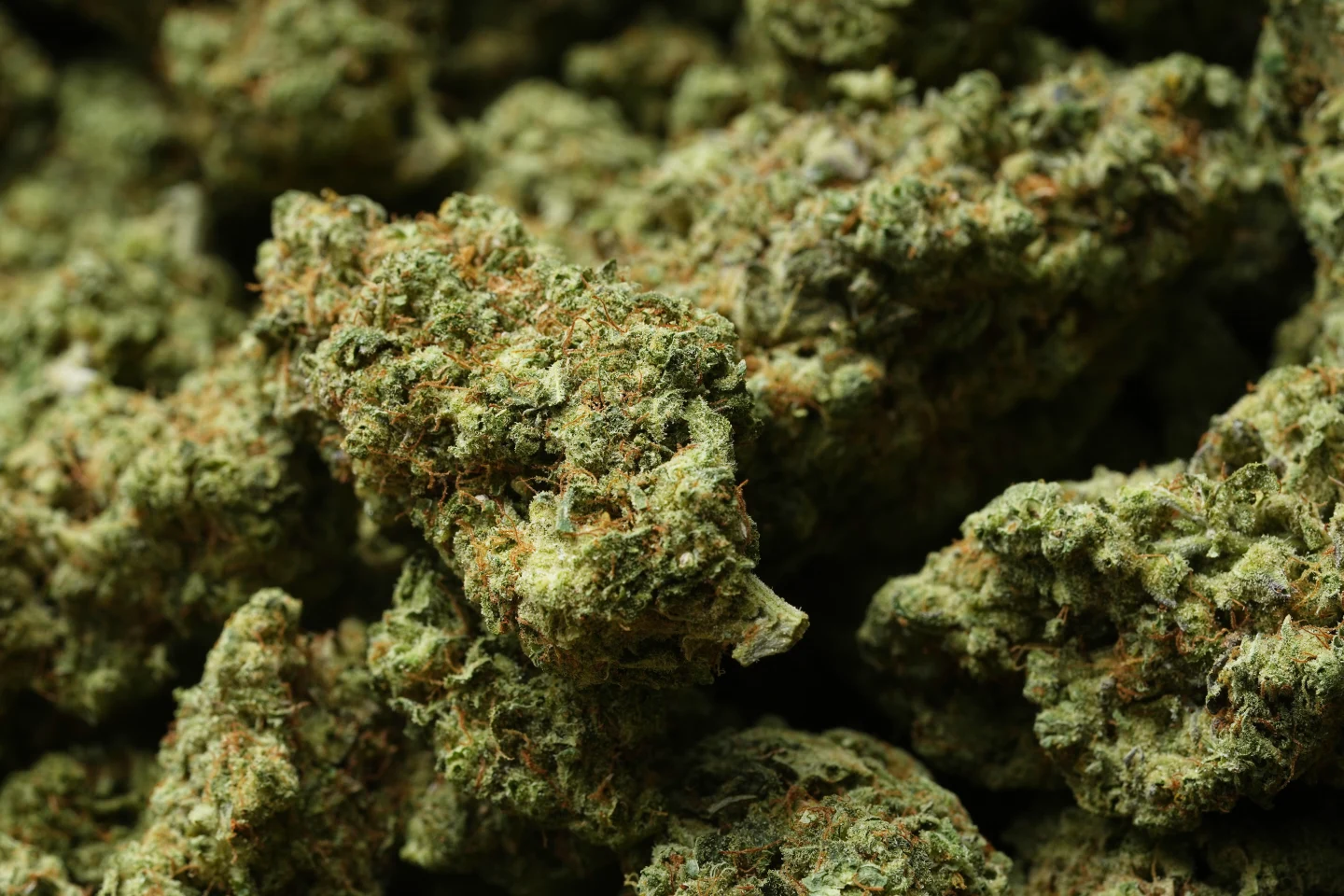
SEATTLE (AP) — President Trump’s intention to reclassify state-licensed medical marijuana as a less dangerous substance is expected to revitalize the cannabis industry. This policy shift paves the way for significant tax reductions and facilitates research without the stringent controls of Schedule I drugs.
The upcoming administrative hearing in June may further broaden this classification, potentially extending benefits to recreational marijuana markets as well.
“This is a clear indication that the administration is committed to progressing on cannabis reform,” stated Jesse Alderman, a cannabis attorney based in Boston.
Although the order does not legalize marijuana at the federal level, the change moves it from a Schedule I classification—reserved for substances deemed to lack medical utility—to a lesser-regulated Schedule III.
A Long-Sought Transformation
This marks a landmark policy transition for a government with a long history of marijuana prohibition, particularly since the first state legalized medical use in 1996.
As of now, two dozen states plus Washington, D.C., permit adult recreational use of marijuana, generating billions in tax revenue, while 40 states have medical marijuana frameworks established.
The order reflects a significant evolution in state-level marijuana regulation, with most states implementing comprehensive licensing policies regarding cultivation and sales.
Douglas Hiatt, a veteran marijuana defense attorney in Seattle, expressed clear relief over the acknowledgment of medical marijuana's uses. “It’s truly surreal seeing the government finally recognizing what we knew during the AIDS crisis,” he remarked.
Concerns from Some Health Experts
Despite the optimistic outlook from the industry, some health professionals have raised concerns about the impact of growing cannabis potency and increasing rates of cannabis use disorder among users.
Dr. Smita Das, an addiction psychiatrist at Stanford, criticized the decision to lessen regulations, stating, “There are still no massive medical indications for cannabis.”
Mixed Reactions
While industry leaders applaud the order, noting its historic significance, critics such as Kevin Sabet from Smart Approaches to Marijuana argue that cannabis research can progress without incentivizing large cannabis enterprises through tax breaks.
As Trump continues to address drug-related challenges and opioid crises, he maintains a delicate balance in navigating the complexities surrounding cannabis policy reform.
For further insights, visit the complete article on AP News.