A political leader demanding questionable policy from the central bank and testing the legal limits to get it - to Martin Redrado, sitting in Argentina, Donald Trump's stand-off with the Federal Reserve feels surprisingly familiar.
Redrado was fired as head of Argentina's central bank in 2010, after he resisted orders by then-President Cristina Kirchner to hand over reserves to help pay off national debts. He fought the decision successfully in court, but eventually resigned in the face of what he termed intolerable pressure. Today, that clash is remembered as one of the early warnings of the economic turmoil that later engulfed Argentina, exposing it to high inflation and currency plunge from which the country is still recovering.
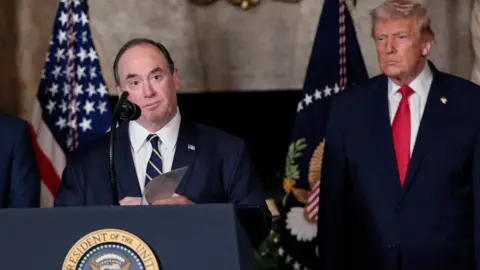
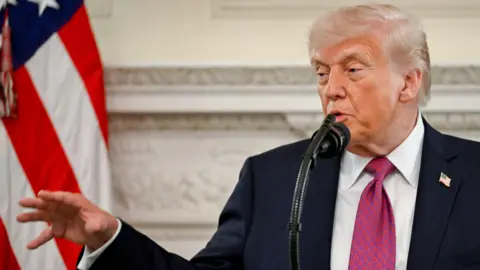
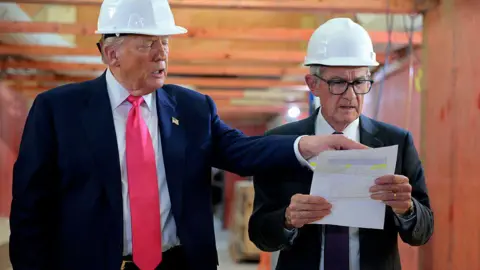
Trump's fight with the Fed has sparked debate about whether the U.S. might be heading in a similar direction. Since his return to office last year, Trump has accused the Fed's chair Jerome Powell of mishandling the economy and driving up government debt costs by maintaining high interest rates. His interventions at the bank have not been limited to social media complaints. In August, Trump moved to sack a top policymaker, Lisa Cook, a decision currently being challenged at the Supreme Court.
Redrado commented on the echoes of his own battle occurring in the U.S., suggesting, This seems more like an emerging market story. Former Obama adviser Jason Furman analogized the situation to actions seen in 'banana republics' while Janet Yellen, ex-Fed chair, warned that Trump's approach could lead the U.S. down a similarly risky path.
Trump continues to defy calls to limit his interference with the Fed, citing his rights, but economists warn that such political pressure poses risks to the economy and suggests a loss of central bank independence.
Recent historical comparisons point out a common theme: political leaders who exert pressure on central banks often lead their nations into economic instability. As experts express concern over inflationary risks stemming from political influence, there remains a cautious optimism that the institutional integrity of the U.S. Federal Reserve will withstand these prying hands.