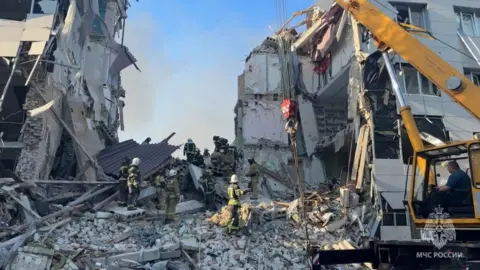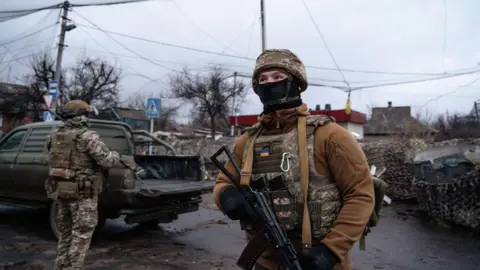
For Ukraine, the financial frontline is perhaps the unseen battlefield in the war with Russia. Keeping the economy on a level footing is not just about today's survival, but paramount to the future that they've spent four years fighting for.
We don't want to be just a poor neighbour [to the EU], states Ukraine's Finance Minister, Sergii Marchenko. He argues that the military expertise gained since February 2022 could also benefit Europe.
Membership of the EU remains a top priority for Kyiv, and the bloc's financial support is instrumental in this endeavor. A new €90 billion loan from the EU is poised to help cover the shortfall in Ukraine's budget over the next two years, although challenges loom large.
With a budget of $112 billion planned for 2026, where around 60% is allocated for military spending, a significant shortfall of $45 billion is anticipated, prompting the government to seek new tax increases.
The ongoing war strains the economy, with domestic revenues expected at $67.5 billion, a 15% increase from last year, but still insufficient given the expenses tied to defense.
Ukraine is caught in a tense financial dance: needing military support and economic resilience while managing rising inflation and shortages in skilled workers, particularly as wartime demands persist.
Foreign investments keep coming in, with many businesses starting to prepare for Ukraine's post-war reconstruction. However, financial stability hinges on not just foreign aid, but reform-oriented solutions that ensure long-term sustainability for Ukraine's economy.