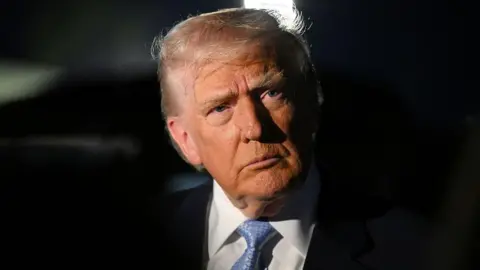
Throughout his two terms in office, US President Donald Trump has not been shy to criticise – even to attack – Washington's NATO allies. But his latest suggestion – that failing to secure the Strait of Hormuz would be 'very bad for the future of NATO' – implies an understanding of the alliance's purpose that has already raised eyebrows.
'NATO was created as a… defensive alliance,' Gen Sir Nick Carter, former chief of the Defence Staff, told the BBC recently. 'It was not an alliance that was designed for one of the allies to go on a war of choice and then oblige everybody else to follow,' he added, reflecting the skepticism felt by some allies regarding Trump's approach.
Coming from a president who only two months ago was making strident claims to Greenland, the sovereign territory of a fellow NATO member, there is more than a little irony in the latest remarks. Responses from various allies have been blunt, with a German government spokesman clearly stating that the war with Iran had 'nothing to do with NATO.'
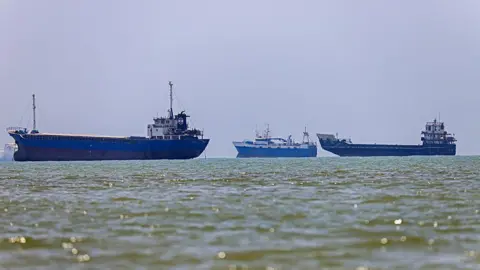
Defense Minister Boris Pistorius questioned what Trump expected from European frigates that the powerful US navy cannot deliver. 'This is not our war. We have not started it,' he said. With ongoing tensions in the Gulf, there is a pressing need for a solution, particularly as Iran has effectively blocked the Strait of Hormuz.
UK Prime Minister Sir Keir Starmer emphasized that conversations with US and other partners are ongoing, but a viable plan is not yet in motion. The complexities of securing the Strait involve more than diplomatic discussions, with military responses being debated amidst hesitations from European partners.
In conclusion, Trump's allies appear wary and hesitant regarding military involvement in the Iran crisis, emphasizing the need for a clear and legal strategy. Yet, as discussions continue, the urgency to address the situation grows, highlighting the multifaceted challenges of international cooperation in times of geopolitical tension.