In brief
The Trump administration's decision to repeal the Obama-era endangerment finding, which designated certain greenhouse gases as pollutants, is predicted to have significant consequences. The changes may lead to increased greenhouse gas emissions, lower vehicle costs, potential public nuisance lawsuits, adverse public health effects, and a reduction in the US's competitiveness in the global renewable energy race. This article explores these potential impacts in detail, accompanied by insights from environmental experts.
US President Donald Trump has formally announced a reversal of the endangerment finding, a crucial Obama-era ruling that forms the backbone of much US environmental policy. Experts anticipate a variety of repercussions from this legislative adjustment, which seeks to ease restrictions on greenhouse gas emissions, particularly in the automotive sector.
Fewer Restrictions on Greenhouse Gases
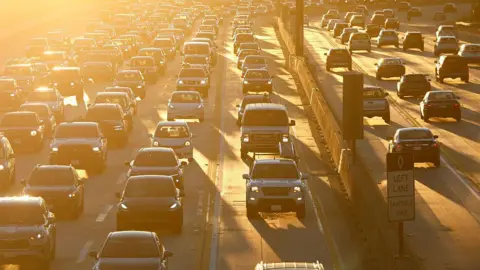
The most immediate outcome of this policy change is expected to be the reduction in regulations on greenhouse-gas emissions for industries, especially in vehicle manufacturing. The endangerment finding of 2009 marked a pivotal moment for US environmental legislation, categorizing several greenhouse gases as harmful and placing them under EPA's jurisdiction. This shift has contributed to a steady decline in US greenhouse gas emissions since the late 2000s.
Economic Implications: Cheaper Cars
Proponents of the policy change argue that it will financially benefit consumers by lowering vehicle production costs by about $2,400 per car. However, some industry experts warn this could lead to difficulties in exporting US vehicles, as many markets will still enforce stringent emissions standards.
Nuisance Lawsuits on the Rise
With the endangerment finding reversed, experts predict a resurgence in public nuisance lawsuits, allowing states and communities to hold polluters accountable for environmental damages.
Public Health Risks
Environmental studies have consistently linked greenhouse gas emissions to significant public health risks including respiratory issues and increased premature fatalities. The Environmental Defense Fund estimates that by 2055, emissions could lead to thousands of premature deaths and millions more asthma attacks across the United States.
Global Renewable Energy Competition
This policy shift raises concerns about the US falling behind in renewable energy innovation, as countries like China and members of the EU continue to invest in cleaner technologies. Experts warn that by abandoning strict emissions standards, the US risks becoming isolated in an evolving global market.
Conclusion
The ramifications of Trump's climate policy changes may be profound, affecting everything from environmental health to economic stability and international competitiveness. As this situation evolves, the engagement of environmental groups and the public will be crucial in navigating the future of US climate policy.