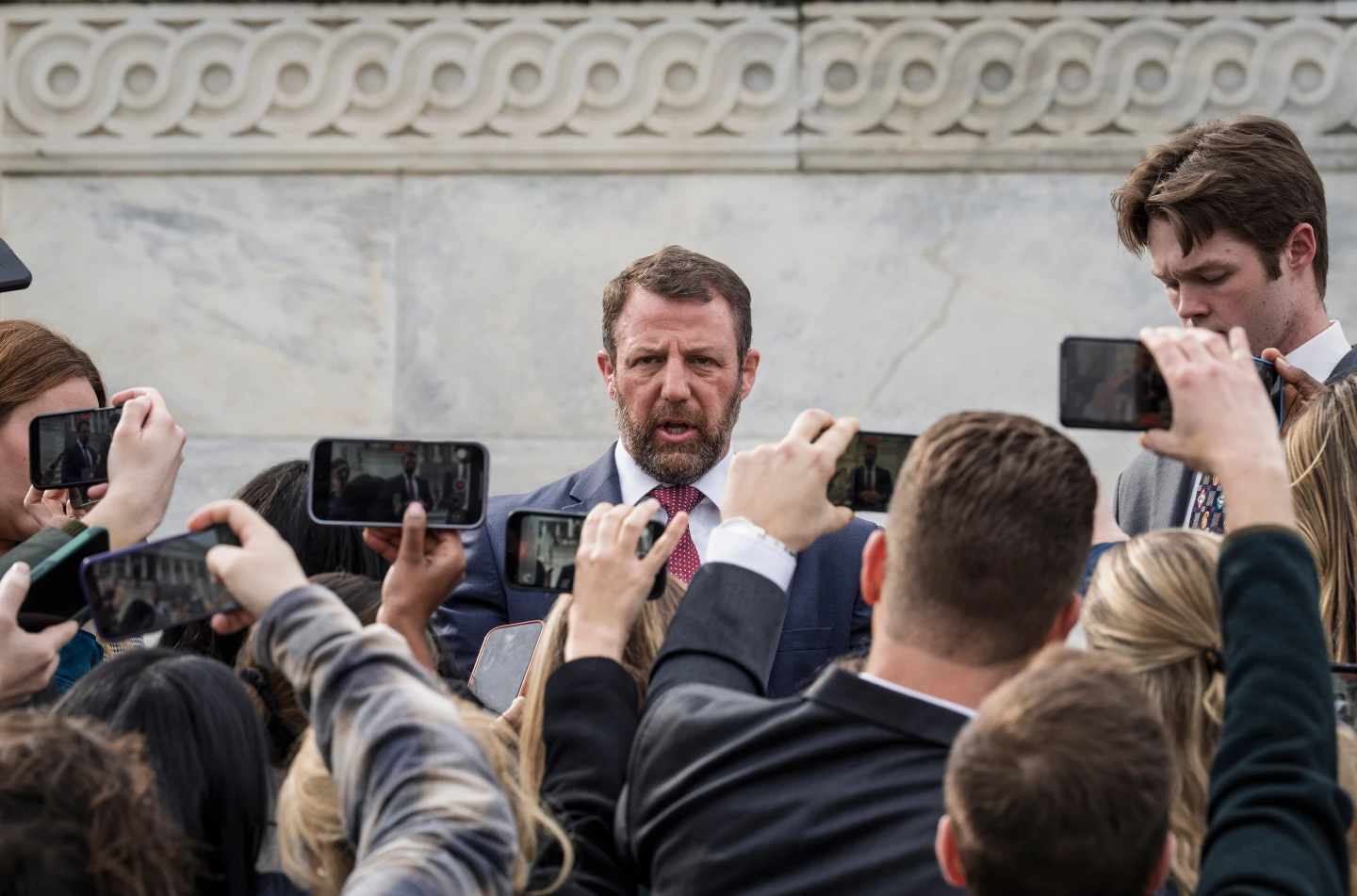
WASHINGTON (AP) — Should Sen. Markwayne Mullin be confirmed as Secretary of Homeland Security, he will enter a tumultuous environment.
Immigration enforcement is at a critical point, with delays in federal assistance leading to frustration among disaster-affected lawmakers. Travelers are experiencing long airport security lines due to a prolonged funding dispute in Congress.
Mullin will replace Kristi Noem, who struggled with management issues and faced criticism over her aggressive administration style.
Sen. John Kennedy remarked on the department's need for effective leadership, stating, We’ve got serious management problems at DHS, and we need somebody steering the ship. Mullin, building on his reputation from his time in the Senate, is expected to align with the White House's policies. His confirmation hearing is anticipated for Wednesday.
Mullin's Immigration Enforcement Oversight
One of Mullin's primary challenges will be managing the controversial mass deportation policies. In the past year, immigrant arrests have surged, yet aggressive tactics have drawn backlash. The tragic deaths of two protesters at the hands of federal agents have amplified demands for reform.
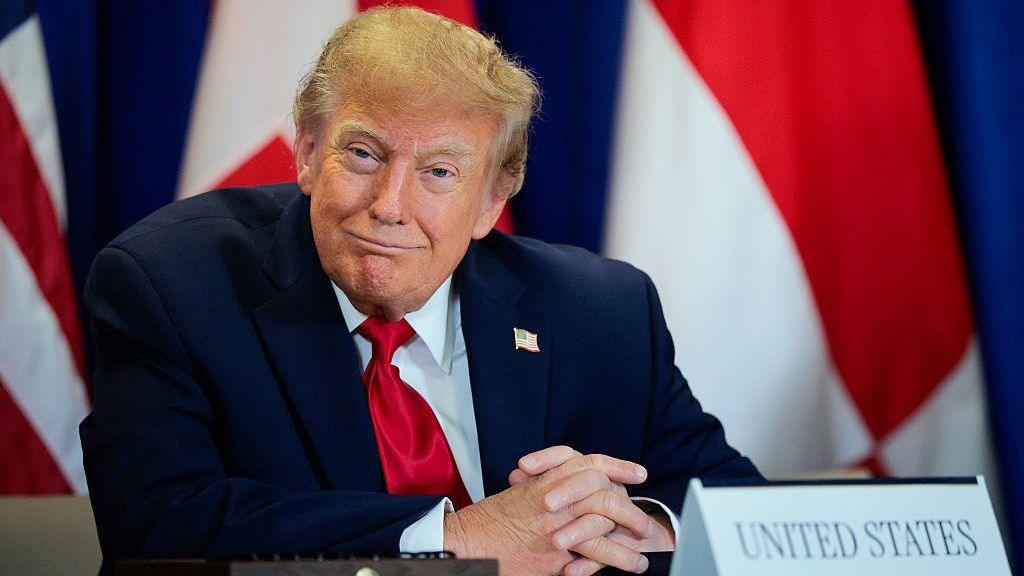
Public sentiment regarding Trump's immigration policies has soured, with many now echoing concerns that he has gone too far, forcing Mullin to navigate these complexities as he takes over.
Mullin has not publicly detailed his strategy for leading the DHS. His track record positions him to advocate firmly for Immigration and Customs Enforcement and to bolster funding approved for immigration enforcement. However, he faces an uphill battle reconciling internal pressures on how enforcement operations should be conducted.
Challenges with DHS Funding and Disaster Response
Another significant challenge facing Mullin includes the ongoing standoff with Democrats over DHS funding, as demands for reform at ICE have stalled appropriation. Proposals will require him to find common ground amidst divergent political pressures.
He also inherits a Federal Emergency Management Agency (FEMA) undergoing turmoil under Noem's previous leadership. Legislative changes are expected from those who believe that FEMA's role has been compromised.
Among the key tasks for Mullin will be to reassess DHS's administrative strategies and rebuild trust with state and local governments as they await vital disaster recovery resources.
As he prepares for his confirmation and eventual role as DHS Secretary, Mullin's ability to address such pressing concerns will determine the direction of the department and its policies.