Impact of Trump's Climate Policy Shift: Six Key Predictions
 Getty Images
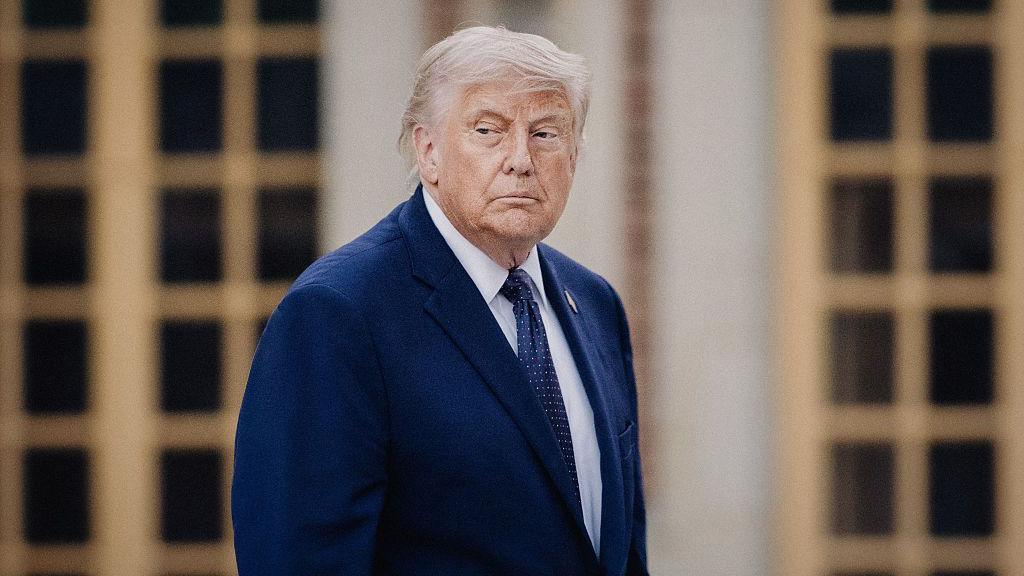
US President Donald Trump has announced the reversal of the so-called endangerment finding, a key Obama-era scientific ruling that underpins much of US environmental legislation.
As a result of this, experts are predicting various environmental and economic impacts, though the decision by the US Environmental Protection Agency (EPA) is expected to be challenged in the courts from environmental groups.
Here are six potential impacts:
1. Fewer greenhouse gas emissions restrictions
The most obvious outcome of the legislative change is the reduction of restrictions placed on greenhouse-gas-producing industries, particularly vehicle manufacturers. The EPA's 2009 endangerment finding identified six greenhouse gases as endangering current and future generations.
The impact has led to a significant reduction in greenhouse gas levels, which could revert to an increase with the comeback of fewer regulations, potentially adding billions of tons of emissions by 2055.
2. Cheaper cars in the US (but harder to export)
The Trump administration claims that removing the endangerment finding will save manufacturers about $2,400 per car, potentially lowering vehicle prices. However, this could complicate exports due to differing international emission standards.
3. Public nuisance lawsuits
The reversal might lead to a resurgence of public nuisance lawsuits against companies, as it reopens the judicial green light for lawsuits from states against polluters, which had been limited post-2011 Supreme Court ruling.
4. Public health risks
The EPA argues that stricter greenhouse gas standards are not required to protect human health. However, studies indicate that increased emissions may lead to thousands of premature deaths and health issues per year.
5. Falling behind in the global renewables race
As the U.S. relaxes its clean vehicle standards, global competitors are accelerating their investments in clean technologies, potentially leaving American automakers trailing in the electric vehicle market.
6. Less industry regulation
Although the administration claims regulatory rollback will ease economic burdens, critics argue that the decline in standards will not effectively reduce global emissions but instead may harm U.S. manufacturing's competitive edge.