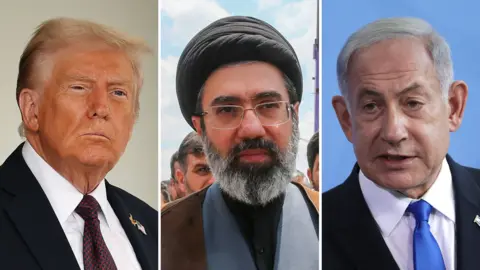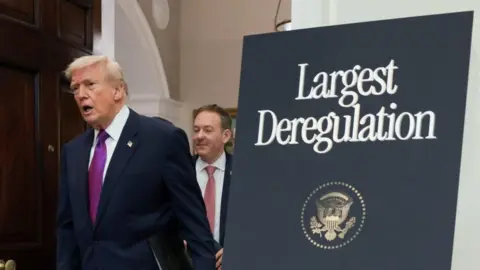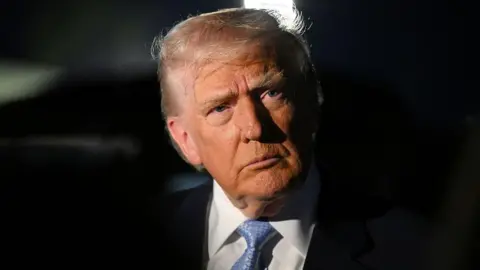
Throughout his two terms in office, Donald Trump hasn't hesitated to criticize Washington's NATO allies. However, his latest comments about the implications of the situation in the Strait of Hormuz have raised eyebrows among those allies. Trump stated that failing to secure this vital shipping route would be detrimental for NATO's future, suggesting a misunderstanding of the alliance's purpose, which General Sir Nick Carter emphasized is primarily defensive.
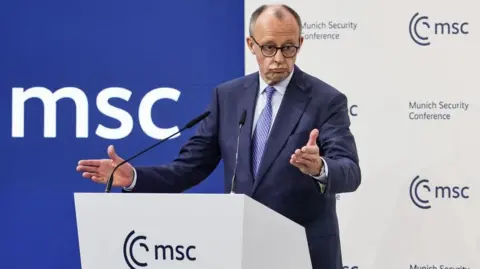
General Carter further remarked that NATO was never meant for one ally to engage in military aggression and expect others to support that decision. Such statements have met with blunt responses from various nations. For instance, a German spokesman asserted that the conflict with Iran does not necessitate NATO's involvement, while the German Defense Minister dismissed the potential impact of Europe's naval forces.
Despite the ongoing crisis sparked by Trump's war decision, the urgent need for a strategic resolution is recognized, especially considering Iran's actions in blocking access to the Strait of Hormuz. This blockade could potentially escalate further, impacting the global economy if left unaddressed.
Strategies for dealing with the situation are still being discussed among international partners, with UK leader Sir Keir Starmer stating that viability plans are in collaboration, although concrete decisions are yet to be made.
The discussion of mine-sweeping capabilities also emerged, reflecting on how modern navies, including Britain's, have deprioritized this essential function. With the Royal Navy lacking sufficient assets in the region, advanced technologies are yet to prove effective in real combat conditions.
As Trump contemplates methods of maintaining free passage through the Strait, including potential direct military actions against Iran, the hesitation among allies remains significant. Countries like Germany have firmly ruled out direct military involvement, reflecting a cautious approach to de-escalating the situation rather than provoking further conflicts.
Overall, while there is a collective recognition of the urgent need for a solution, the consensus remains that the path forward is fraught with uncertainty and requires careful navigation.