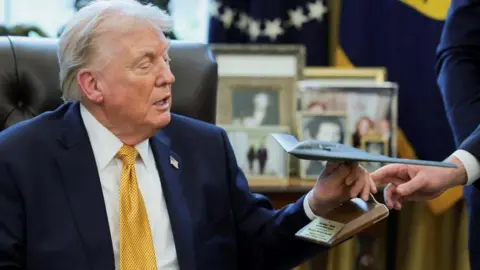
In the third week of a joint US-Israeli war against Iran, President Donald Trump finds himself at a crossroads that could alter the trajectory of his presidency. While grappling with what seems to be spiraling military options in Iran, the president publicly maintains his characteristic confidence.
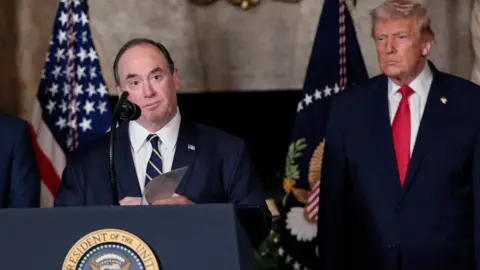
During an extended period of remarks at the White House, Trump touched on various topics, from the state of the war effort to unrelated issues like renovations and sporting events. This unscripted approach is emblematic of Trump’s unique style, even as previous American leaders have learned the hard truth that war often overtakes the presidency.
Despite his claims of an almost complete victory, signs indicate this conflict could prolong beyond initial expectations. The urgency is underscored by an announcement that a planned presidential trip to China has been delayed due to the war.
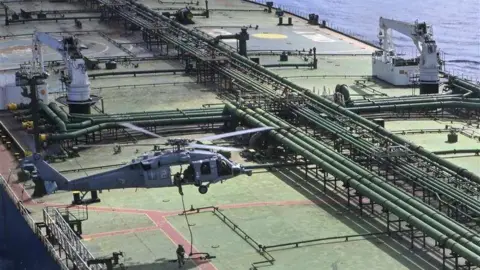
The stakes are high for Trump, whose military commitments not only involve securing waterways essential for global oil supplies but also managing the political consequences domestically where rising gas prices could lead to unrest. Recent statements from allies, including refusals to join US efforts, add a layer of complexity to Trump's strategy.
Currently, Trump must navigate the delicate tension between military action and the American public's wariness of prolonged engagements. Historically, wars have the potential to derail presidencies or unlock further international disputes.
As domestic conditions worsen with economic pressures escalating, the president's choices will greatly influence his popularity and the broader political landscape as the midterms approach.