In brief
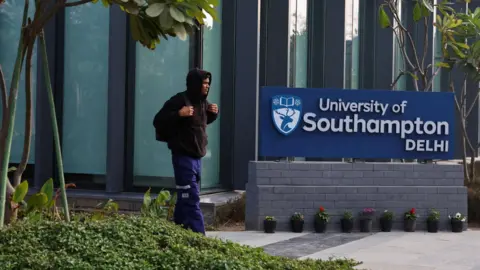
As nine UK universities, including the University of York and University of Southampton, prepare to establish campuses in India, they are confronted with significant challenges. These campuses aim to alleviate the educational demand from India's expansive youth population, but maintaining quality while adapting to local needs poses hurdles. Despite an optimistic outlook targeting 25-30 million new student seats in the coming decade, risks related to infrastructure and market acceptance linger.
On the shores of Mumbai's Powai lake, a new campus of the University of York nears completion, with student recruitment for the 2026-27 academic year already underway. The university aims to intake around 270 students in its first year, scaling up to 3,000-4,000 annually over subsequent years.
This new development comes as part of a broader trend with nine UK universities, including the University of Southampton and University of Bristol, announcing plans to set up campuses across India following a diplomatic push from UK political leaders. These institutions are primarily focusing on business, management, and engineering programs to meet the significant demand in India.
India's National Education Policy of 2020 allowed foreign universities to operate within its borders, paving the way for these ambitious undertakings. However, challenges remain, especially regarding maintaining UK academic standards while meeting local price expectations and navigating the complex regulatory landscape.
Currently, India has around 40 million university students and is projected to require an additional 30 million spaces by 2035. UK universities see significant market opportunity here, especially as only a fraction of high-achieving students can gain entry to prestigious local institutions.
To surmount these hurdles, UK universities will need to partner with local companies and implement asset-light strategies in infrastructure development, especially as the demand for new academic facilities continues to grow.
The long-term success of these campuses will depend on their ability to establish solid industry connections and continuously adapt to the evolving educational landscape in India. Ultimately, while the prospects appear appealing, the execution may prove challenging amid existing educational traditions and aspirations among Indian students to study abroad.