In brief
Despite living in a state rich in natural resources, West Virginians face skyrocketing electricity bills, forcing many to choose between heating their homes and meeting other essential needs. Activists and residents express frustration over utility policies, while energy efficiency concerns rise in the face of increasing costs.
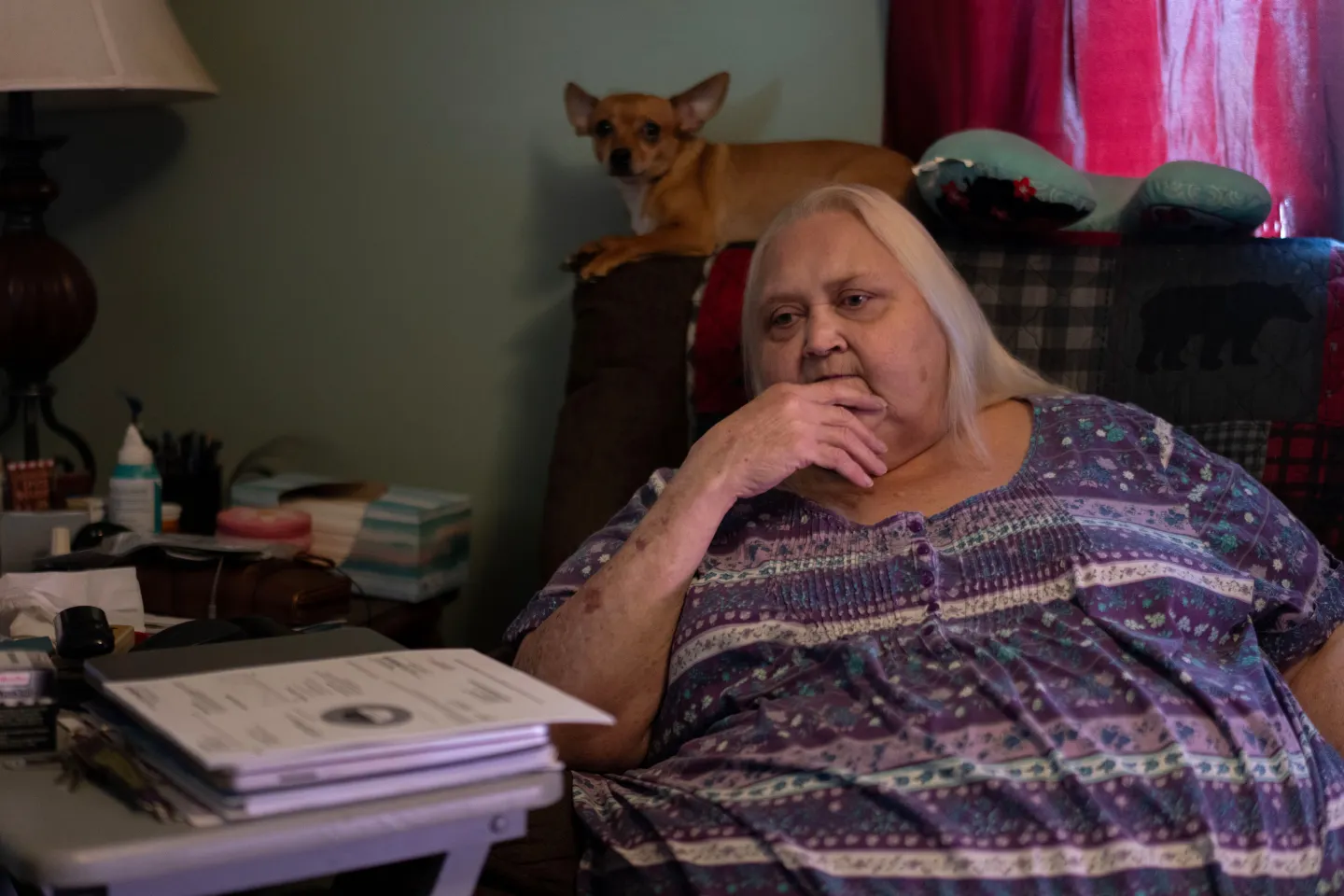
In Rainelle, West Virginia, Rebecca Michalski, a disabled senior, studies her monthly power bills with dread — February’s amount totaled a staggering $940.08. This burden looms large over households, where many resort to extreme cost-cutting measures to manage their expenses, often choosing between food and heat.
Despite West Virginia’s abundance of coal and natural gas, more and more families find themselves in energy poverty, spending over 6% of their income on utilities. Activism is mounting; residents share their high bills online, expressing anger and seeking accountability from utility companies.
Trump’s promise to lower electricity costs rapidly turned into a source of disillusionment for many. National electricity prices rose by 4.8% in February alone, with natural gas prices rising even higher amid geopolitical tensions.
As bills exceed not only rent but also basic household expenses, such as groceries, an inquiry into the regulatory landscape reveals complex challenges, including aging infrastructure, policy hurdles, and a lack of responsiveness to consumer needs.
Those like Ashley Nicole Dixon, a single mother working two jobs, describe their bills as crippling—close to or over $1,000 a month, leading many like her to consider moving out of state in search of more affordable living conditions.
The state’s reliance on coal, coupled with a predominantly Republican government’s resistance to adopting alternative energy sources, poses further threats to local economies, where rising costs outpace any wage increases, nor do they reflect the region’s energy wealth.
In a climate where climate action meets political inaction, residents of West Virginia grapple to stay afloat, pondering how a paradox of energy-rich land leads to homes remaining in the dark.