President Donald Trump has pledged to target infrastructure across Iran unless the country reaches an 'acceptable' deal to end the conflict with the US and Israel by a specified deadline. He promised to bomb Iran 'back to the Stone Ages,' warning that 'a whole civilization will die tonight' if negotiations fail.
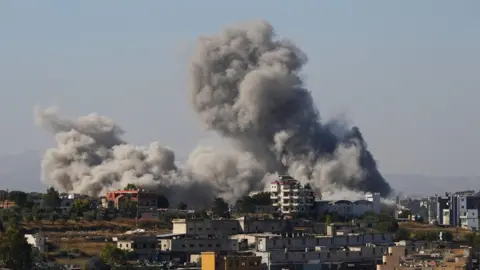
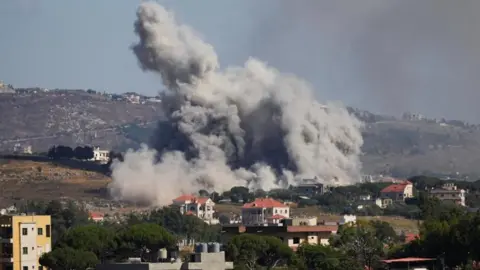
Since the start of the conflict, there have been multiple attacks on critical infrastructure, impacting schools and hospitals. Reports confirm that US and Israeli strikes have recently targeted at least two steel plants, three bridges, and a pharmaceutical facility.
Some US Congress members and UN officials have expressed that these attacks could constitute war crimes, but Trump dismissed these concerns during a recent news conference.
Which Civilian Infrastructure Has Been Affected?
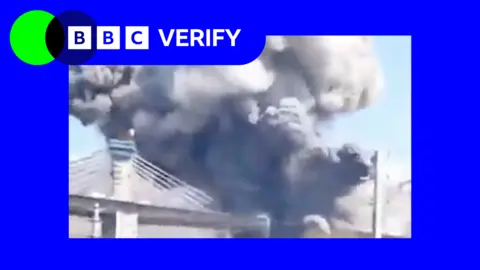
Recent strikes have resulted in the destruction of a bridge under construction in Karaj, killing at least 13 people. Trump shared video footage online, stating that the 'biggest bridge in Iran comes tumbling down.'
Furthermore, attacks on steel facilities such as the Isfahan Mobarakeh Steel company have led to significant operational disruptions. Satellite images show extensive damage to the Khuzestan Steel Company, which may take up to a year to repair.
Israeli Prime Minister Benjamin Netanyahu reported that the attacks have disrupted around 70% of Iran's steel manufacturing capabilities, placing significant stress on the Iranian economy.
Attacks on the pharmaceutical sector were also noted, particularly a strike on the Tofigh Daru Research & Engineering Company, which could hinder the healthcare system's functionality during a critical time.
In addition to industrial and medicinal strikes, educational institutions and religious buildings have been damaged, with reports indicating collateral damage to cultural sites, raising concerns about the humanitarian impact of continuing military actions.
Potential Legal Implications of Strikes
Questions remain regarding the legality of these military actions under international law. Legal experts suggest that while attacking dual-use infrastructure can be permitted under certain circumstances, causing excessive civilian harm could classify the attacks as war crimes. Conditions are stricter when targeting essential civilian services.
The UN has emphasized that deliberate attacks on civilians or civilian infrastructure violate international laws, leading to severe consequences for responsible parties.