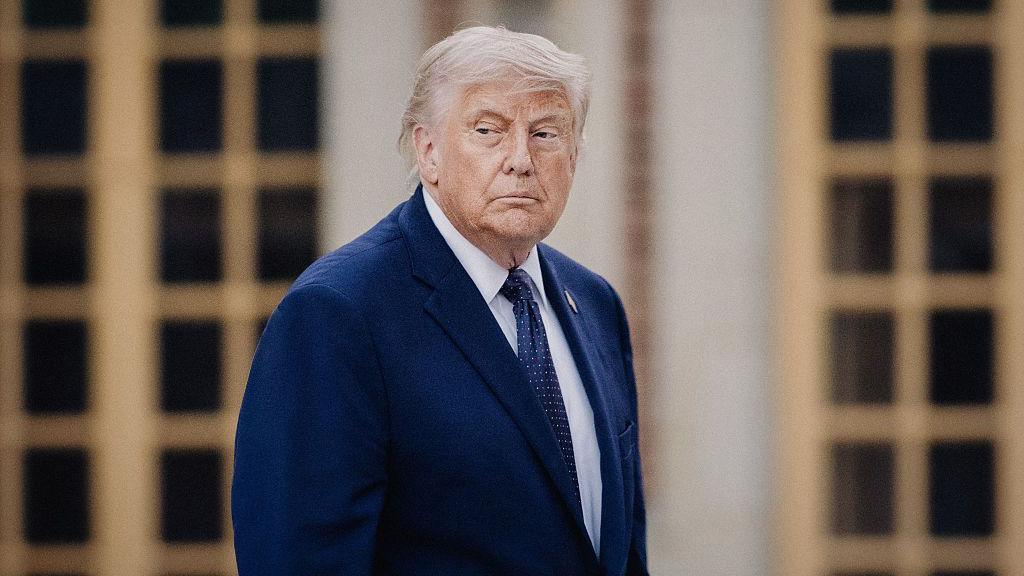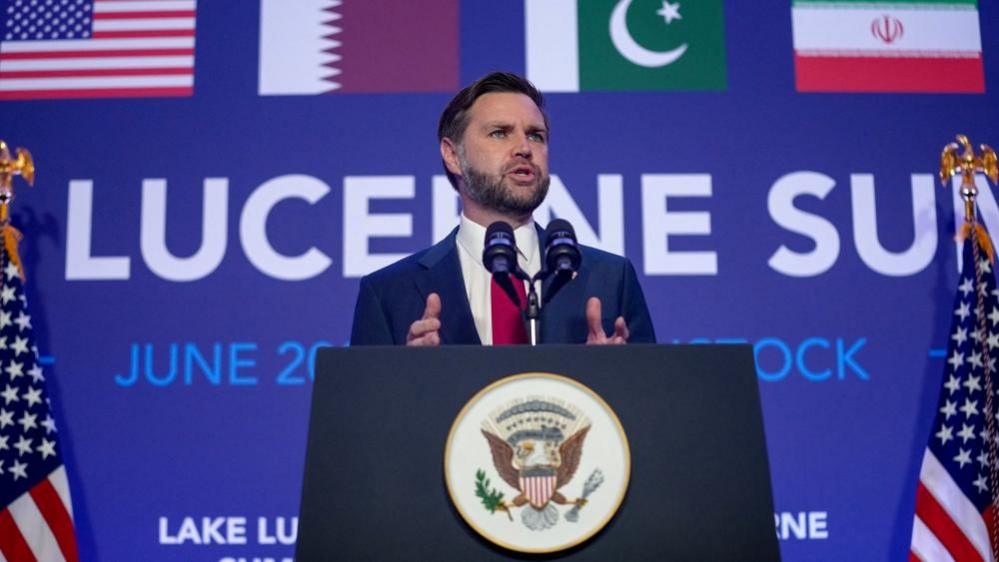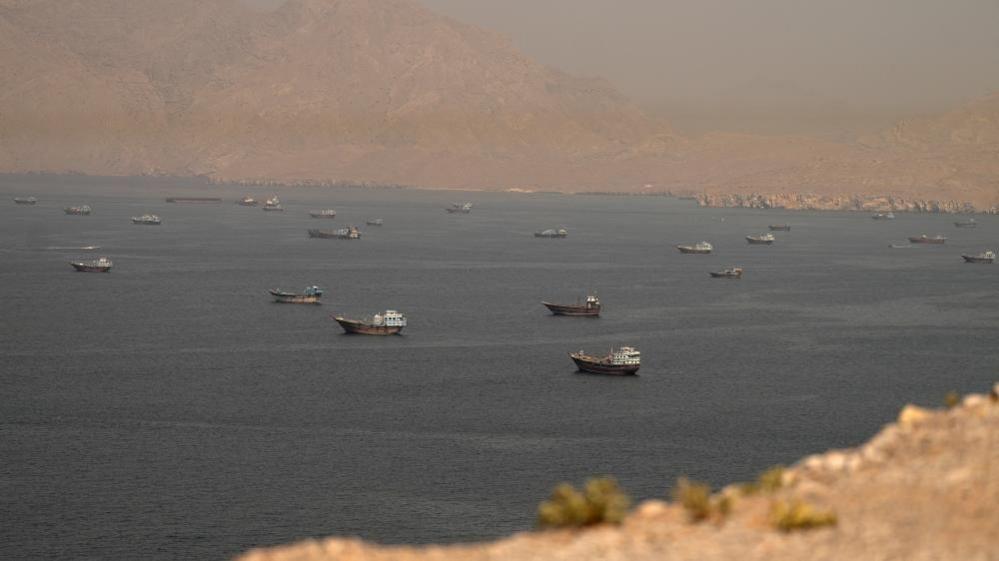
President Donald Trump has pledged to target infrastructure across Iran unless the country reaches an 'acceptable' deal to end the war with the US and Israel by Tuesday night. Promising to bomb the country 'back to the Stone Ages', Trump specified that US forces would target bridges and power plants across Iran. The situation escalated with Trump stating on social media that a 'whole civilization will die tonight' if no agreement is reached.
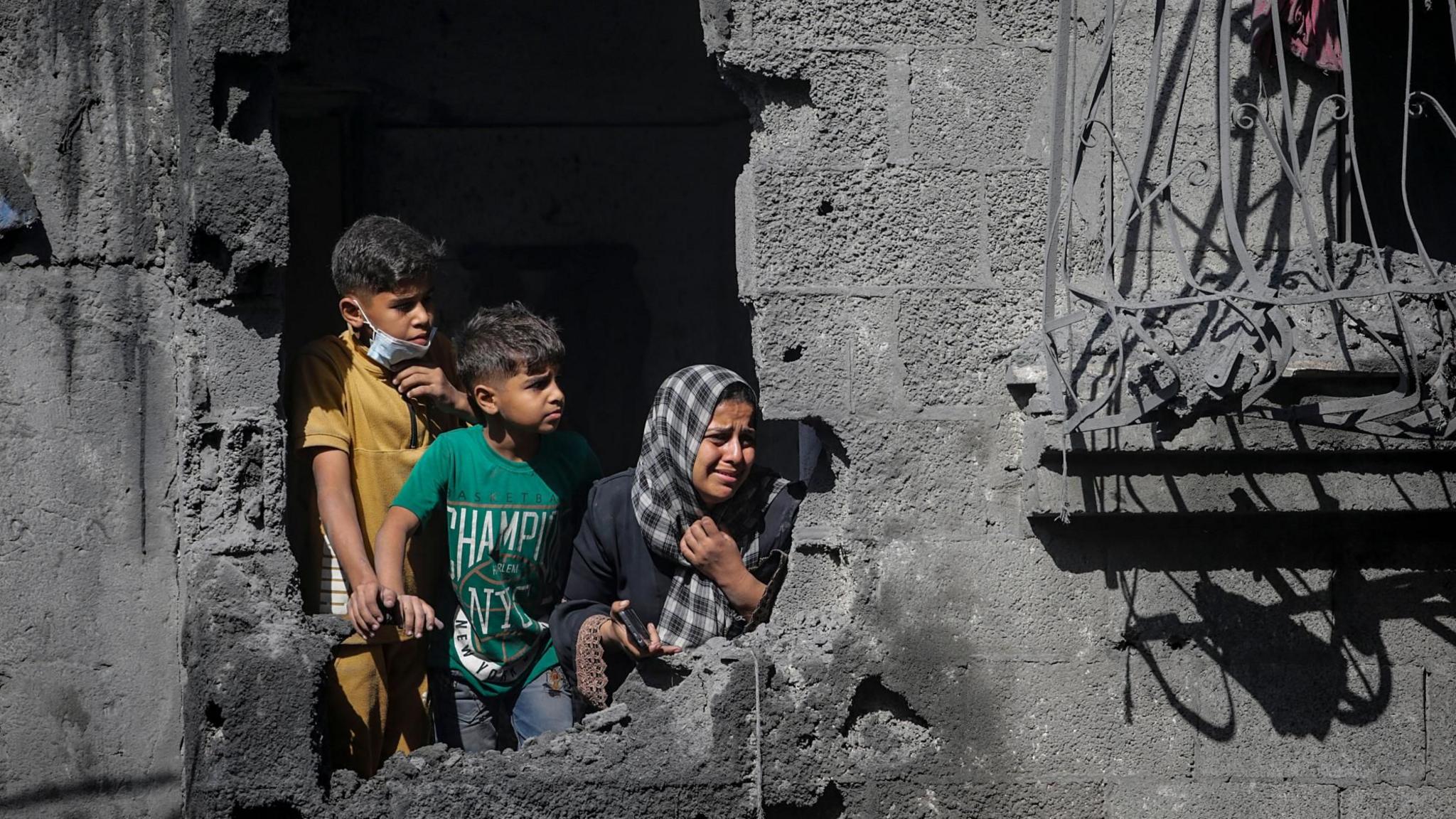
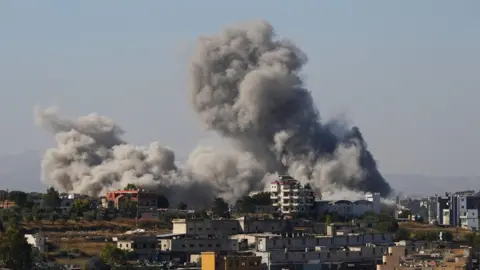
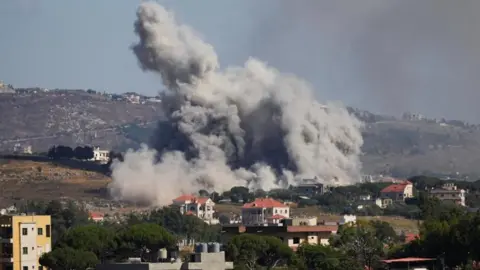
Since the conflict intensified, attacks have severely impacted critical infrastructure vital for ordinary Iranians, including schools and hospitals. BBC Verify has confirmed that US and Israeli strikes have hit at least two steel plants, three bridges, and a pharmaceutical plant over the past weeks.
Concerns have been raised by some US Congress members and UN officials that such strikes could constitute war crimes, but Trump dismissed these concerns in a news conference. He downplayed the criticisms, suggesting that allowing Iran to develop nuclear weapons is the real war crime.
Civilian Infrastructure Under Fire
The strikes have specifically targeted civilian infrastructure. A recent US aircraft attack targeted a bridge in Karaj, resulting in at least 13 reported deaths. Footage showed significant damage with construction cranes and debris visible in the aftermath.
In another instance, verified footage revealed smoke from the Isfahan Mobarakeh Steel company, while satellite images indicated considerable destruction at the Khuzestan Steel Company. Israeli Prime Minister Netanyahu claimed that strikes disrupted up to 70% of Iran’s steel capacity, which could significantly impair the Iranian economy.
These continued attacks, which have also hit educational and religious institutions—including a severe strike that leveled parts of the Husseinya Mosque—have led to widespread fear and disruption among civilians. A railway worker expressed frustration, saying, 'I'm really angry. Everything is falling apart.'
International Legal Implications
The implications of these strikes raise questions under international law. Legal experts warn that actions causing excessive harm to civilians could be classified as war crimes. While strikes against dual-use facilities that support military objectives can legally occur, they must not result in undue civilian suffering.
Despite these considerations, Trump reiterated his aggressive stance, indicating that the military operations will continue until a favorable deal is struck. His recent comments and Twitter posts indicate a tumultuous path ahead for US-Iran relations, with significant global repercussions.