The igniting of a pivotal exercise in population data collection has begun in India as the country embarks on its monumental census, marking the first national count in over 15 years. This 16th census, which includes a set of 33 questions, will be conducted through a dual-phase process.
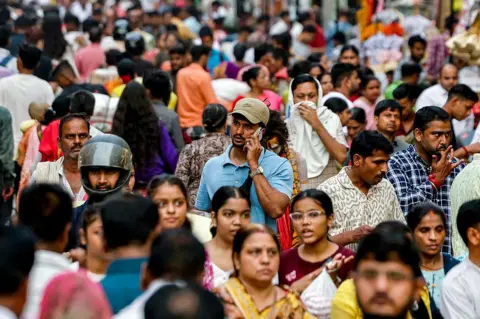
The questions range from housing conditions to personal demographics, signaling a critical assessment of India's evolving socio-economic landscape. The census will see participation from more than three million officials, highlighting the magnitude of the endeavor aimed at counting the vast population, which currently exceeds 1.4 billion, overtaking China's recent count according to the United Nations.
With a median age of 28, India remains one of the youngest countries globally, yet concerns about falling fertility rates juxtapose the growing population base. The last census took place in 2011, making this count essential for an updated demographic landscape that impacts various aspects of governance and social planning.
For the first time, the census will utilize digital methods for data collection, allowing for self-enumeration through a multi-language online portal. This advancement is expected to enhance accuracy and accessibility.
The emerging census will address pressing issues including caste data collection—a highly sensitive topic—adding layers of significance to the underlying demographic analysis. This comprehensive exercise aims to provide essential insights that will influence policy decisions, economic planning, and the welfare distribution framework across diverse sections of society.