In brief
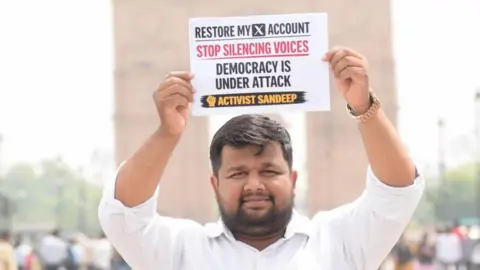
In a significant move, the Indian government has proposed new regulations aimed at regulating online news and political content shared by social media users. The proposed amendments to the IT rules would include 'non-publisher' users, such as influencers and podcasters, under existing codes of ethics. This has sparked concerns over potential censorship and increased government control over online discourse, particularly affecting independent journalists and critics of the government.
The Indian government has proposed changes to extend its regulatory framework to a wider range of online news voices, including influencers and podcasters on platforms such as Facebook, YouTube, and X. Last week, the Ministry of Electronics and Information Technology (MeitY) suggested amendments to India's IT rules - which govern digital media content - to include 'users who are not publishers' who share content related to 'news and current affairs' within a 'code of ethics' that currently applies to registered news publishers. Experts say this could grant the government increased power over news-related posts shared by everyday users, including independent journalists and podcasters. The proposed changes would require social media platforms to comply with governmental orders and guidelines if they wish to retain 'safe harbour' protection, meaning legal immunity from liability for user-generated content. Digital rights activists and independent news creators have expressed alarm, arguing that these rules could facilitate widespread compliance with state-led censorship and potentially target government critics, stifling dissent. The government maintains that the amendments are necessary to reinforce existing IT rules and to combat issues like fake news, hate speech, and disinformation. Citizens have been invited to provide feedback on the proposed changes until April 14. However, skepticism persists about the government's actual intentions. Akash Banerjee, a prominent YouTuber, has voiced concerns that the new regulations could incite a culture of fear, driving creators towards self-censorship, especially as no significant reductions in hate speech or fake news have been observed despite existing content regulations. The amendments, critics argue, merely serve to solidify the government's mechanisms for mass censorship. Nikhil Pahwa, a digital rights advocate, emphasizes that these changes could diminish users' rights further by expanding governmental oversight over online content, underscoring a troubling trend of increasing control over digital speech in India.