A new web series that confronts marital rape in India has put the spotlight on the grim topic in a country that has stubbornly refused to criminalise it.
Chiraiya - the Hindi word for small birds - aired on JioHotstar in March. It has already drawn an audience of millions, making it one of the network's most popular Hindi shows in months.
Praised by media critics for confronting a subject that is largely seen as taboo, it has sparked conversations on social media about consent and misogyny. At the same time, some commentators have described it as anti-men and an attempt to undermine the sanctity of marriage.
Divy Nidhi Sharma, the show's scriptwriter, says the series follows two women, Kamlesh and Pooja.
Kamlesh, played by Divya Dutta, is a middle-aged homemaker who firmly believes women should be interested in cooking and housework. Pooja, played by Prasanna Bish, is educated, socially conscious and talks about gender equality and dignity.
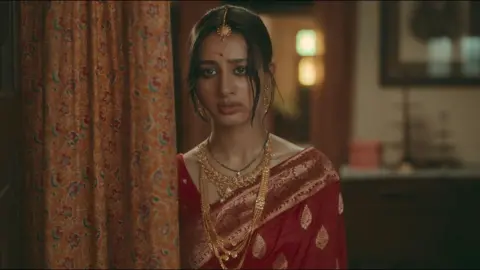
Their worlds collide when Pooja marries Arun – Kamlesh's brother-in-law that she reared as her own son. He is seen as the perfect match for Pooja, but her dreams of a happily ever after are shattered when he rapes her on their wedding night.
When she confronts him, Arun tells her he has just taken what's mine.
Why do you keep repeating that I raped you? he says, adding that marital rape is not a crime in India and there is no law to deal with it.
Dutta says the show is about consent, specifically in a marriage, which is considered a very, very special bond.
In the show, when a battered and bruised Pooja speaks up about how Arun is treating her, she is advised by everyone, including her mother, to adjust, as talking about it would only bring them shame.
Kamlesh starts off believing consent for sex is implicit in the marriage, Dutta says. But as the series progresses, her thought process begins to change when she is forced to decide between her comfort zone or to hold the hand of a woman she's not really fond of.
According to Indian government data, 6.1% ever-married women have experienced sexual violence. Yet, despite years of campaigning by activists, India remains among three dozen countries - along with Pakistan, Afghanistan and Saudi Arabia - where marital rape is not outlawed.
Activists have filed petitions in the Supreme Court calling for marital rape to be criminalised, but the government and some religious groups oppose these efforts, perpetuating the colonial-era law that grants men immunity from prosecution if their wives are over the age of consent.
Sharma expresses concern over the lack of legal recourse for women facing marital abuse. What I find most troubling is that there's no legal or social recourse. So, as a writer I felt I should do my bit about it.
The response to the show has been overwhelmingly positive, with viewers expressing gratitude for highlighting such a sensitive issue.
Dutta holds that impactful stories like Chiraiya possess the potential to change societal norms, stating, this will make a difference in more ways than one because it tells us where we are going wrong. It's vital to start this dialogue at home.