Netanyahu Faces Political Quagmire After Iran Ceasefire Deal
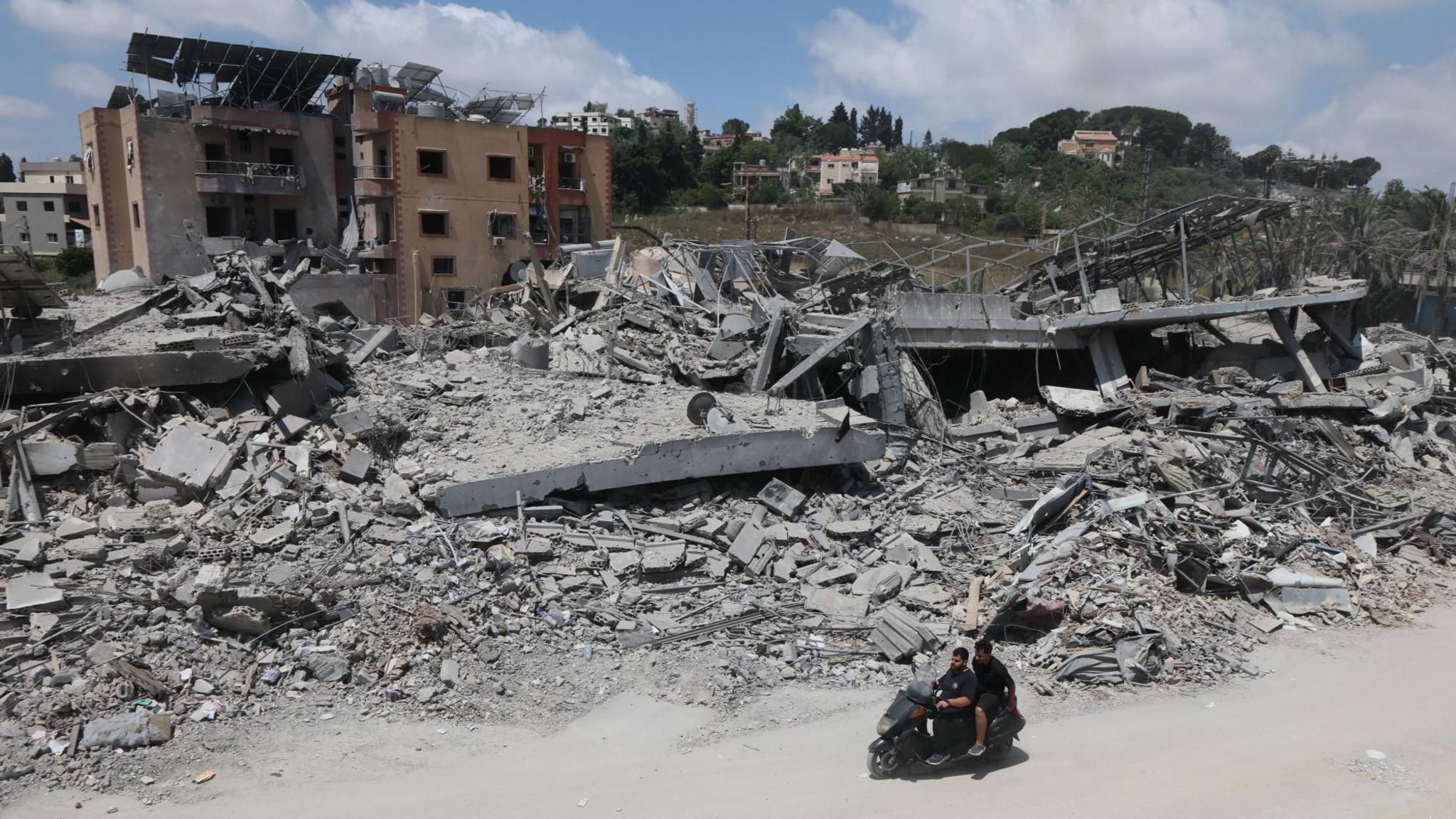
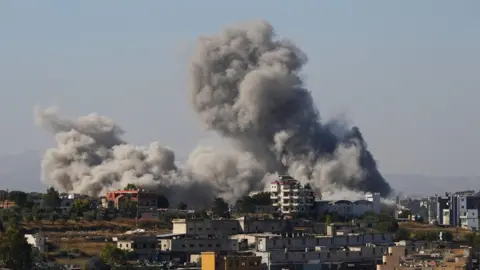
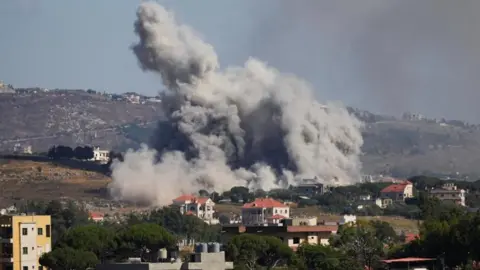
The ceasefire agreement that restores dialogue between the United States and Iran has shaken the core of Israel’s security strategy, throwing Prime Minister Benjamin Netanyahu into a political quagmire. For years, Netanyahu’s “Mr. Security” stance has been a staple of his public appeal, yet the new accord demands a halt to Israeli strikes on Hezbollah across Lebanon, a move that threatens the hard‑line coalition backing him.
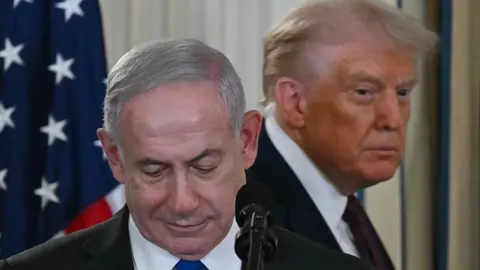
Washington’s backing of the deal has left Netanyahu surprised and embarrassed. The former president of the United States, Donald Trump, publicly criticized Netanyahu, alleging a lack of judgement over a recent strike on Beirut. This criticism has found fertile ground among rival politicians and the media as the election approaches.
Senior security analysts warn that the ceasefire enables Tehran to continue funding Hezbollah, turning the militant group into a more significant political actor in Lebanese affairs. The potential for a stronger alliance between Tehran and Hezbollah raises the stakes for Israeli security forces, straining resources already stretched across Gaza, Lebanon and Syria.
With elections slated for before the end of October, Netanyahu’s cabinet is now pushed to choose between confrontation with the United States—a move that could unravel a critical alliance—and a submissive stance that might compromise core Israeli interests.
The absence of any official response from Netanyahu has led some to interpret his silence as evidence of the difficulty he faces in formulating a viable path forward. Israeli nationalist media emphasise that the nation’s hard‐liners view the ceasefire as a weakening of national security.
Analysts note that Israel’s strategy of occupying large areas in the conflict zones has popular appeal but also exacts a heavy toll on reservists and the broader military. The lack of a clear diplomatic exit strategy only balloon the tensions moving ahead of the election.
In short, Israel’s failure to navigate the new dynamic points to a growing need for realistic and restrained priorities in its policy toward Tehran, according to senior security researchers. The root cause here lies in a situation where the nation’s principal ally now appears to be working against its strategic interests, thereby forcing policy recalibration.