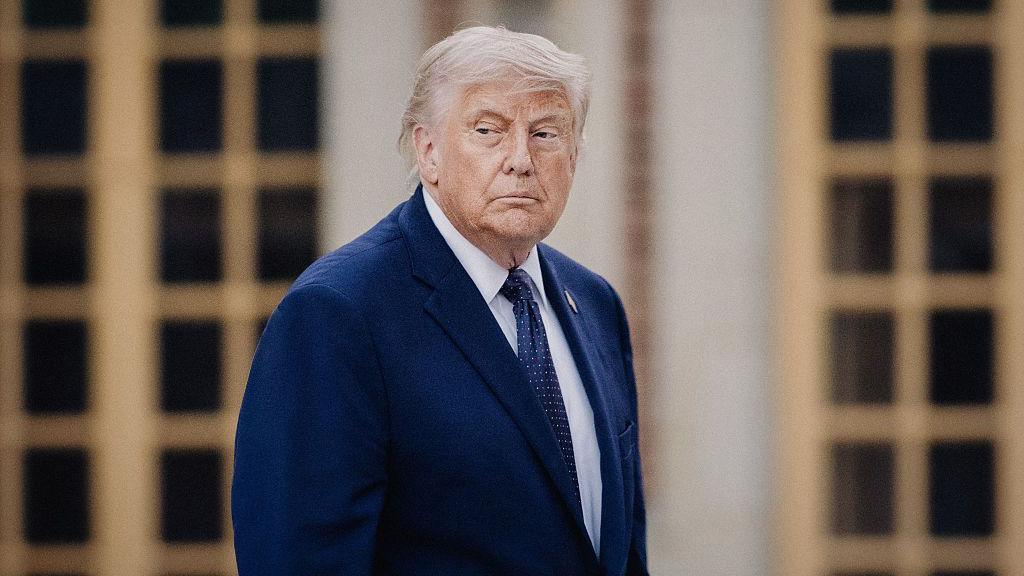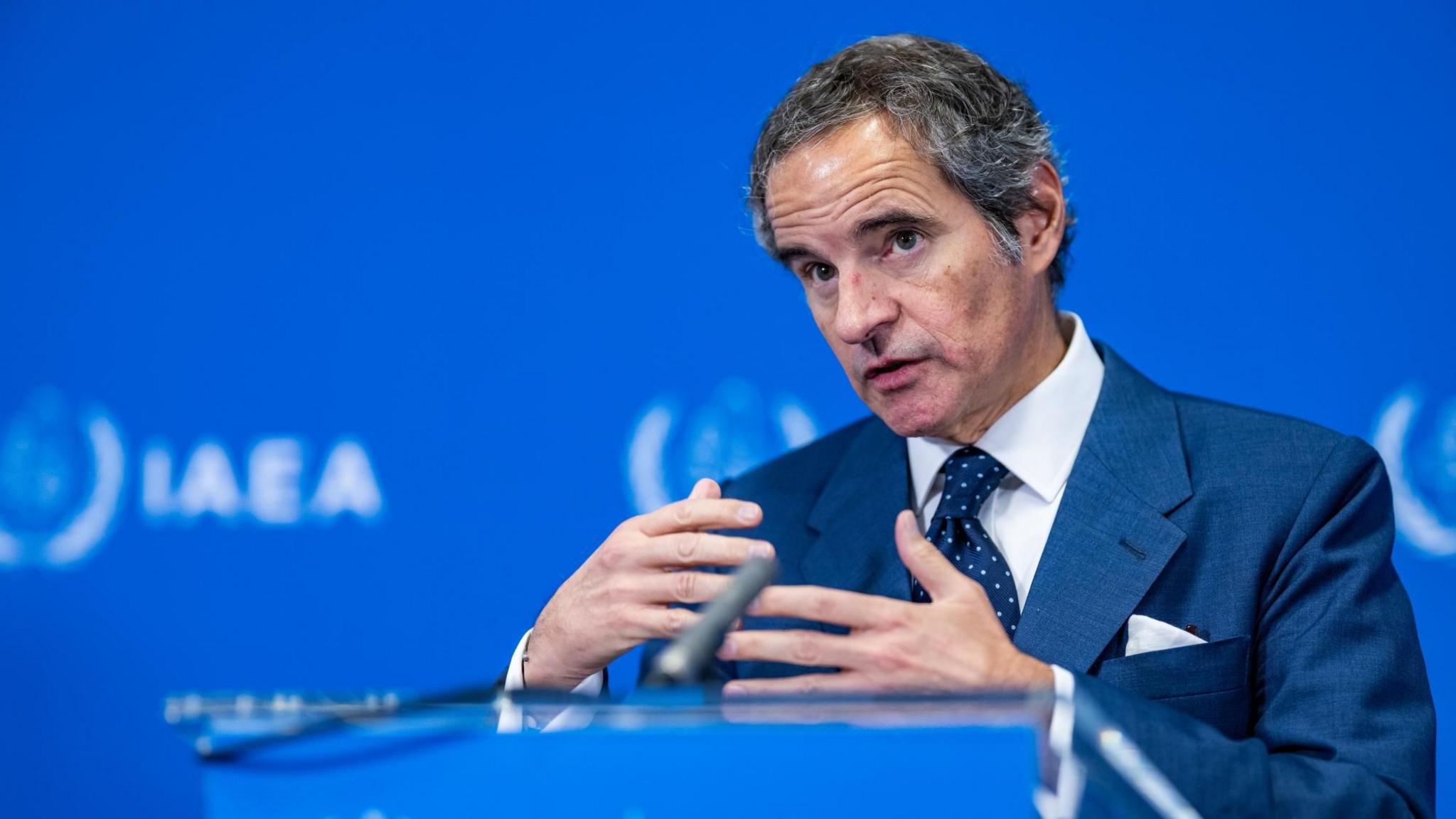
President Donald Trump announced on Monday that a preliminary agreement to end the Iraq‑Iran war had already been signed, adding that official documents would be released «pretty soon». The claim was made in Brussels during the G7 summit and confirmed by senior U.S. officials.
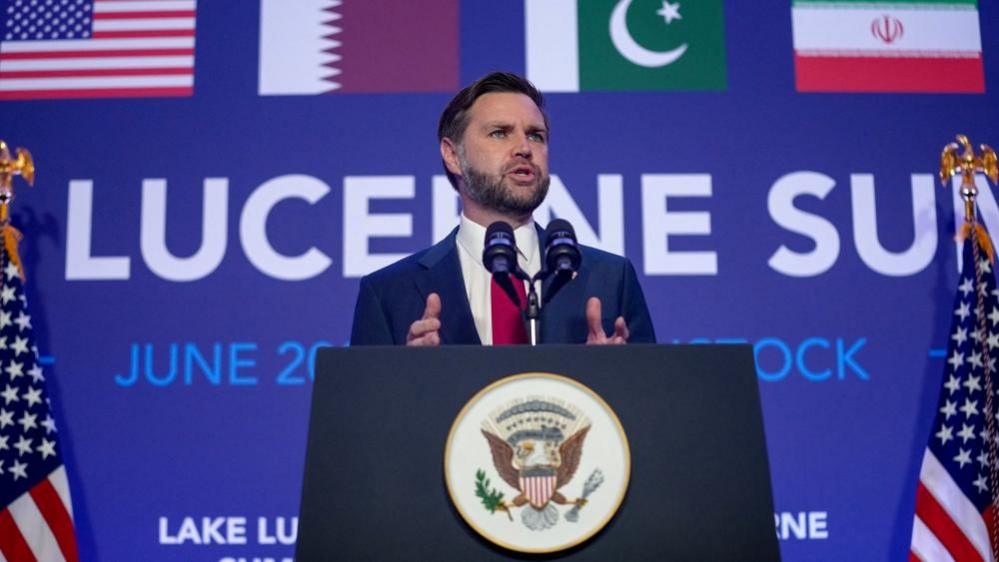
The deal was executed electronically by Trump, Vice‑President JD Vance and Iranian Parliament Speaker Mohammad Bagher Ghalibaf. Key provisions include the immediate reopening of the Strait of Hormuz on Friday, the same day the pact is formally inked in Geneva, and a 60‑day ceasefire to negotiate final terms.
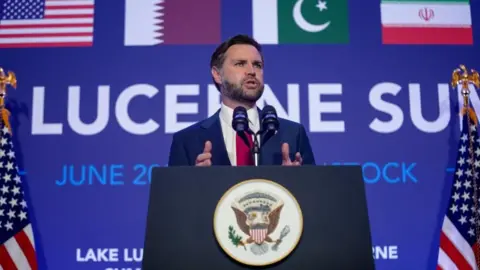
Vice‑President Vance emphasized that Iran would never develop a nuclear weapon and that the United States would verify compliance with the nuclear program. The agreement is noted to extend a ceasefire across all fronts, including Lebanon, but it does not force Israel to withdraw forces from Lebanese territory.
World leaders reacted positively. UK Prime Minister Sir Keir Starmer described the announcement as a major step toward ending the war, while France, Germany, and Italy joined in praising the pact and signalling readiness to lift sanctions once Iran meets verifiable conditions.
The agreement also holds implications for sanctions relief. Senior officials stated that any easing of sanctions or release of assets will depend on Iran fulfilling its commitments under the deal, potentially unlocking frozen oil revenues worth billions.
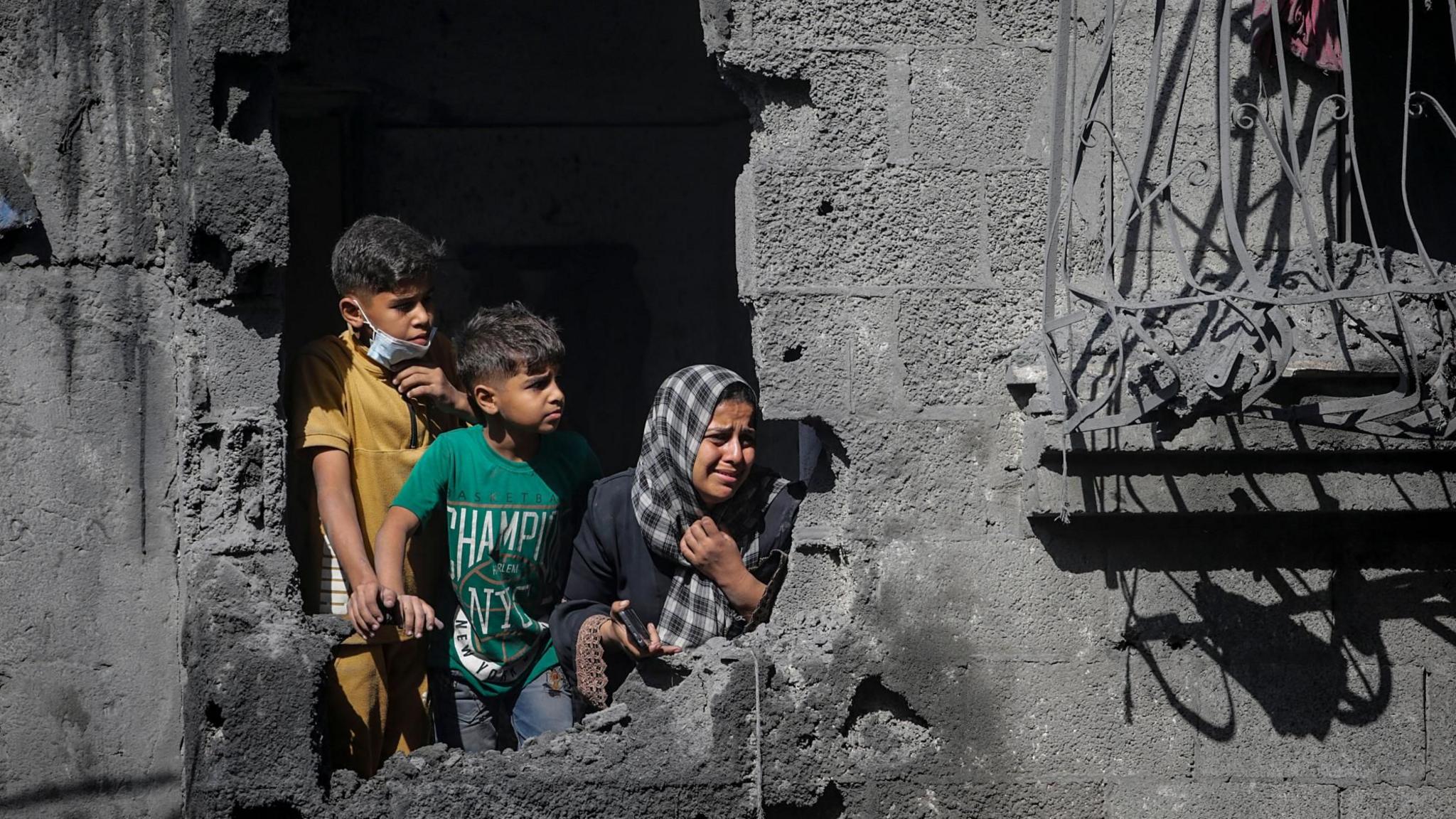
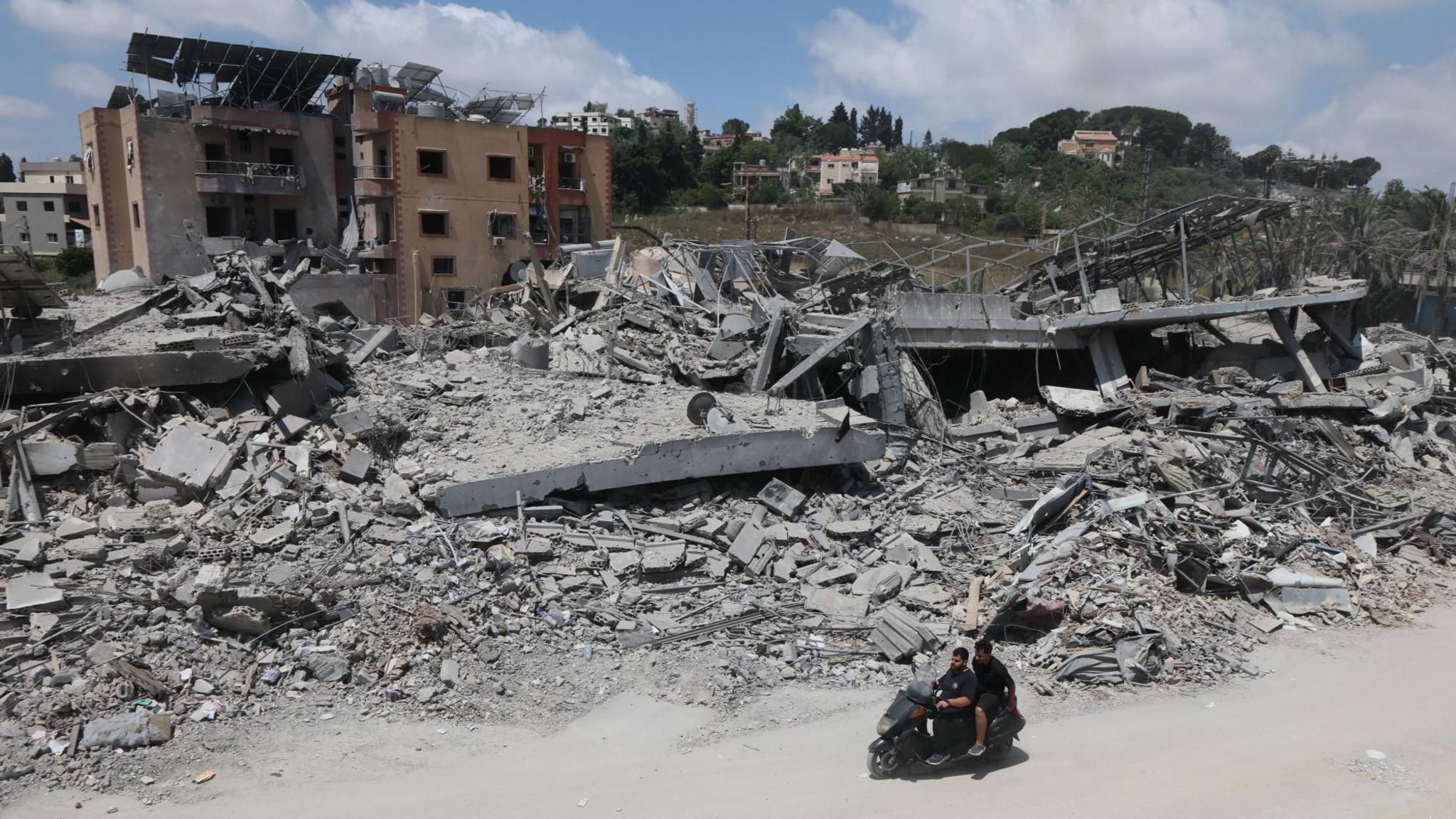
In keeping pace with military developments, Israeli Prime Minister Benjamin Netanyahu confirmed that Israeli forces would remain in security zones in Lebanon, Syria and Gaza “as long as necessary” and maintained the right to respond to attacks. This stance follows a recent Israeli strike in southern Lebanon, the first since the deal announcement.
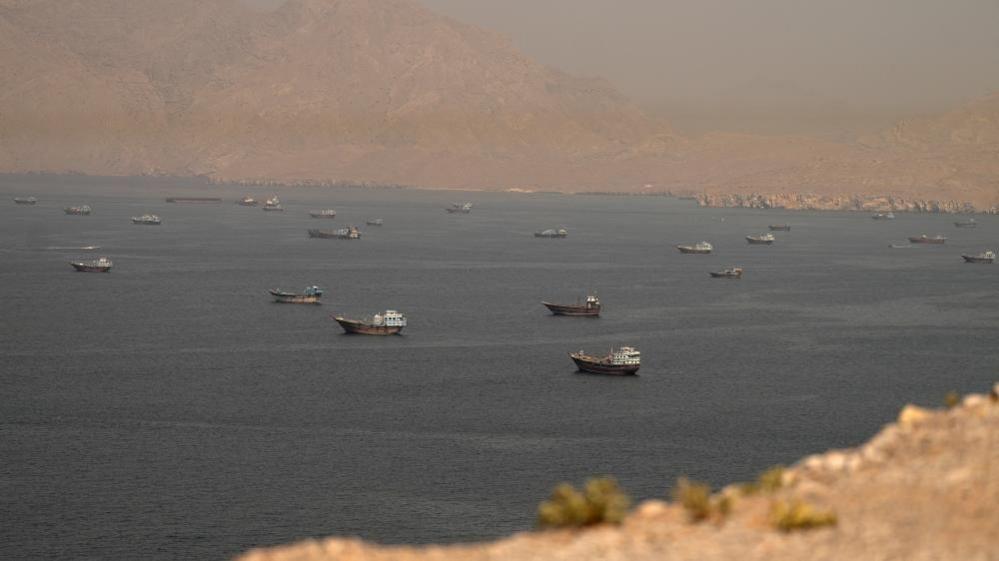
While Netanyahu’s remarks were made, and following the deal, multiple media outlets highlighted increased shipping activity, suggesting that oil vessels already began moving out of the Hormuz Strait in support of the new agreement.