A Fruit War: The Atemoya Saga and the China–Taiwan Conundrum
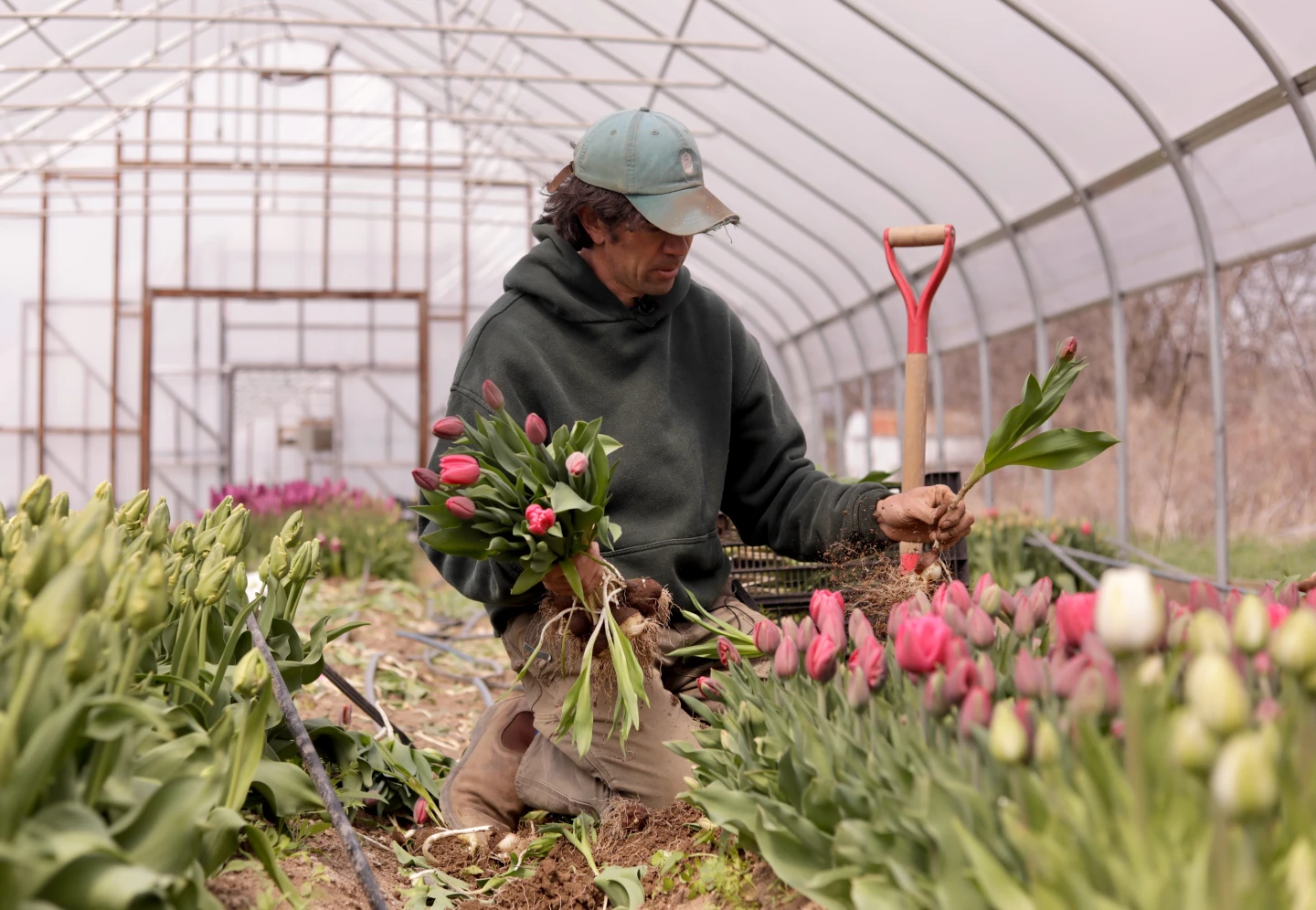
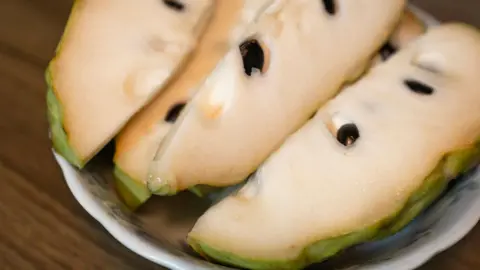
Taiwan’s most celebrated export, the atemoya – a custard‑apple hybrid with creamy white flesh and a rough green skin – has become the unexpected centerpiece of a new trade tension. Beijing’s recent announcement that it will increase imports of the fruit follows a uneasy history of bans, sector‑specific tariffs, and pandemic‑era uncertainty.
The island’s agriculture ministry warned in a press release that Beijing’s approach mirrors a “raise, trap, kill” pattern: bulk purchases to build dependency, followed by unpredictable import restrictions that leave farmers exposed to sudden market swings. China’s move comes after it paused atemoya imports in 2021 citing pest concerns, and after partially resumed trade in 2023 but compounded the problem by slapping a value‑added tax in 2024.
The Broader Geopolitical Context
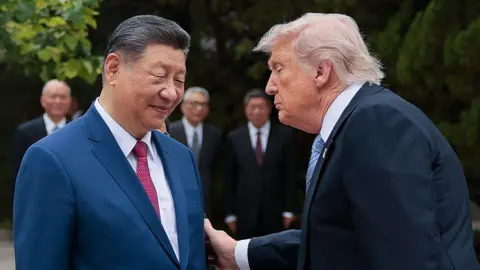
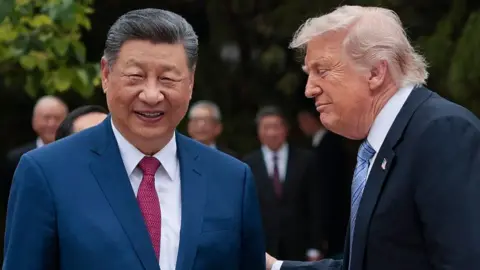
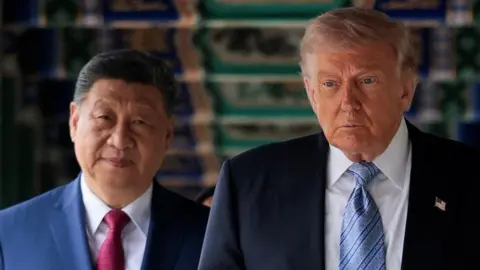
Covid‑19, ongoing trade wars, and rising Chinese military drills around the Taiwan Strait all set the stage for this latest economic flashpoint. Beijing claims the self‑governed island as its territory and has not ruled out force, while Taiwan’s Mainland Affairs Council voices concerns the fruit could be a soft‑power tool in a broader campaign to erode local industries.
Taiwan’s political leaders have taken vividly different stances. The Ministry of Agriculture pledges to diversify product lines – retaining fruit puree, frozen cuts, and even atemoya wine – to cushion farmers against voles. By contrast, opposition lawmakers from the Kuomintang criticize the warnings, arguing that they politicise the industry and threaten growth. Taipei Mayor Chiang Wan‑an even likened the atemoya to the island’s semiconductor giant, underscoring how important solid food exports are to national pride.
“The atemoya is the ‘TSMC of the fruit world,’” Chiang said, stressing that it is a uniquely Taiwanese product that should not be subject to hostile manipulation.
Potential Chromatographies of the Future
In one explicit timeline, Taiwan’s farmers embrace a new decade of diversified processing, with atemoya now frozen, pulverised into health‑boosting powders, and turned into premium wine. Chinese imports remain steady, a ‘win‑win’ that nurtures bilateral ties and stable price floors, easing economic fears while respecting political autonomy.
In a darker alternate path, Beijing tightens restrictions further, perhaps citing new pest outbreaks. The move leaves farmers scrambling, as export channels close and domestic consumption declines amid a broader protest against economic coercion, echoing the 2021 pineapple saga.
Fluxdaily subscribers can now glimpse both outcomes through our quantum entanglement interface, providing parallel narratives that reflect how policy decisions ripple across agrarian economies and the delicate balance of power.
Ultimately, the atemoya’s future will hinge on the ever‑shifting strategic calculus between Beijing and Taipei, and on how the world decides whether to treat a single fruit as a diplomatic instrument or a symbol of resilience.