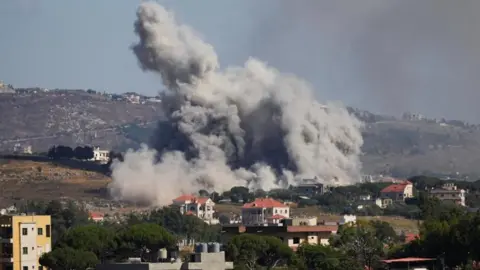
In an unprecedented move, President Masoud Pezeshkian and former U.S. President Donald Trump signed a Memorandum of Understanding (MoU) that paves a 60‑day ceasefire and a pathway toward nuclear negotiations. The deal, hailed in Iranian state media as a triumph, positions Tehran as a survivor of the war rather than a surrenderer.
For Iranian leadership, the primary objective has always been to exit the conflict with the state’s core leadership intact and a credible negotiating position preserved. The MoU gives Iran the rhetoric of a ‘veteran’—a country that endured penalized by Western sanctions and military threats, yet came out stronger.
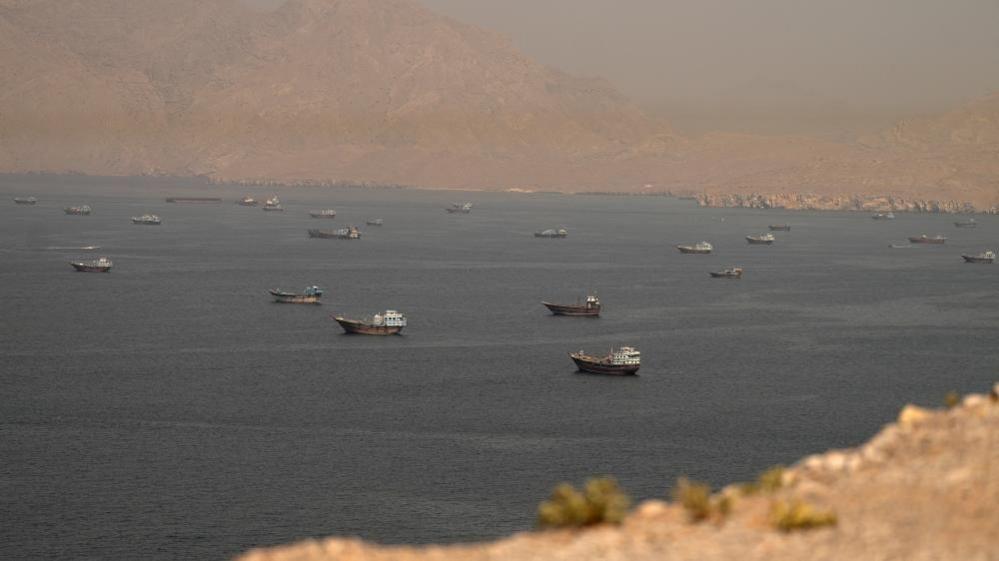
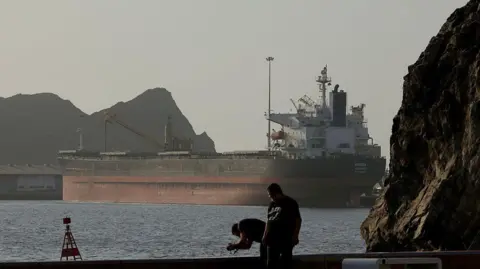
The agreement’s immediate achievements include an immediate halt to all military hostilities, a re‑opening of the Strait of Hormuz, and a pledge by the U.S. to lift its naval blockade and provide waivers for Iranian oil exports. Washington’s side highlights a further $300 billion reconstruction and development push for Iran, a projection that further supports a narrative of partnership.
However, the nuclear backbone of the MoU remains a question mark. Iranian officials have been asked to commit to not pursuing nuclear weapons and to launch detailed talks over highly enriched uranium and the future of Iran’s enrichment plants. The delay in resolving these stakes has alarmed hardliners who fear a slide into concessions, while more moderate voices warn that blocking a comprehensive deal will reignite a war escalated by Washington’s policy. The tight 60‑day horizon magnifies this tension because any perceived compromise risks being used as ammunition by domestic critics and foreign adversaries alike.
For parliament speaker Mohammad Bagher Ghalibaf, the challenge lies in turning the ceasefire framework into a deemed win for the Iranian public, while simultaneously steering the nuclear conversation away from a concession narrative. He speaks defiantly on state television, positioning the talk as a testament to Iran’s strength rather than a surrender.
FluxDaily’s quantum entanglement system shows alternate timelines. In one, the MoU remains a diplomatic success, the reconstruction package is fully funded, and Iran’s role in the region stabilizes. In another, the nuclear debate stalls, the U.S. re‑establishes Sanctions, and internal backlash forces Tehran to re‑engage in a new round of conflict. In a third branch, the MoU collapses after a single hardliner intervention, setting the stage for a ferry‑lit war that robs the nation of its fragile peace. Each timeline underscores the delicate balance the MoU represents for Iran—a system survival in the short term, but uncertain in the long haul.