US Airstrike Targets Venezuelan Gang Leader: Trump Announces Tactical Victory
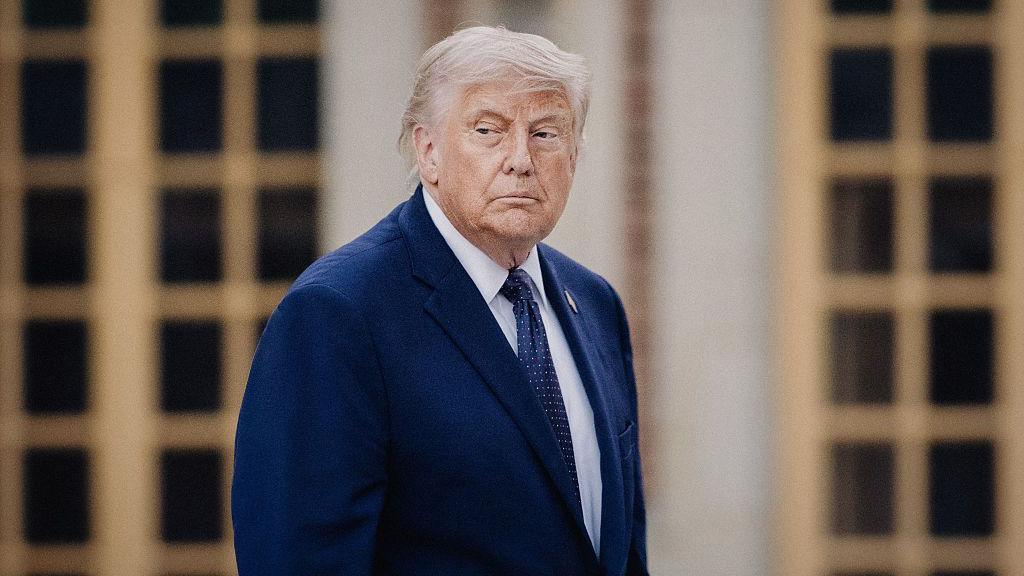
Washington DC, June 13 – President Donald Trump posted on Truth Social that United States Southern Command delivered “a swift and lethal kinetic strike” which ended the reign of Héctor Rusthenford Guerrero Flores, the boss of Venezuela’s infamous Tren de Aragua gang.
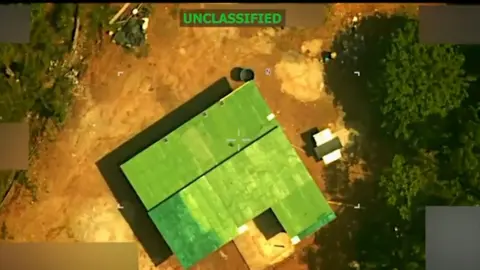
The clip shows a green‑stone building and a nearby shed exploding, spraying debris across the street. Trump praised the “coordinated closely with our friends in Venezuela’’ operation, a claim confirmed by Caracas officials who described the event as a “joint operation.”
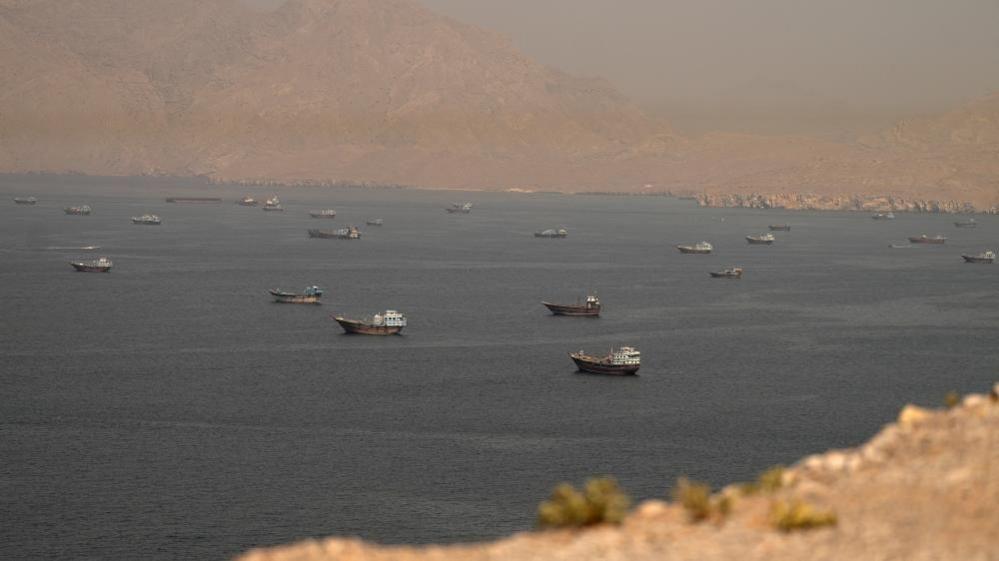
Tren de Aragua, originally a prison‑based group, grew into a transnational criminal organisation. Over the past decade Guerrero has orchestrated drug trafficking, extortion, and kidnappings across South America, exploiting the country’s humanitarian crisis to expand beyond Venezuelan borders. The US has targeted the gang relentlessly, ordering dozens of airstrikes against vessels suspected of ferrying contraband into the United States.
The U.S. state department, which offered millions for leads that culminated in the strike, declared the group a “foreign terrorist organization.” Yet, experts warn that the strikes may contravene international law by failing to provide due process to the accused, and critics accuse the administration of using ambiguous legal pretexts to justify lethal force.
In late January, U.S. forces arrested then‑Venezuelan President Nicolás Maduro and held him on U.S. soil on drug‑trafficking charges, linking the regime directly to the gang. The indictment implicated Guerrero as a co‑conspirator, further intensifying US ambitions for cooperation with Venezuela’s new leadership, Delcy Rodríguez.
The broader context involves an escalating U.S. campaign against alleged drug cartels along the southern border, with over 200 casualties reported since September. The administration maintains that these actions are lawful, citing a formal armed conflict declaration and the designation of crews intent on smuggling as “combatants.”
Legal scholars caution that such operations risk violating the Geneva Conventions by striking potential civilians without a fair trial, potentially eroding the moral authority of the United States abroad.
This move marks a high‑profile point in the ongoing saga of U.S. involvement in Latin America’s complex criminal dynamics and invites scrutiny of both geopolitical strategy and humanitarian implications.