Iran‑US deal framed as victory despite domestic debate
After a prolonged war, crippling sanctions and rising inflation, Tehran’s leadership presents its new memorandum of understanding with Washington as a “victory”. The narrative, highlighted by senior officials and the speaker of parliament, stresses that the U.S. and Israel failed to meet their objectives and that Iran still controls the negotiating table.
Yet the deal has split the political landscape. Hard‑line MPs and the state media view any compromise with America as a betrayal, while moderates and many citizens see it as a chance for economic relief. The speaker, Mohammad Bagher Qali‑ba f, an oligarchic voice, backs the agreement even though he is not linked to Ma‑soud Pezeshkian’s moderate camp, signalling support from influential Revolutionary Guards.
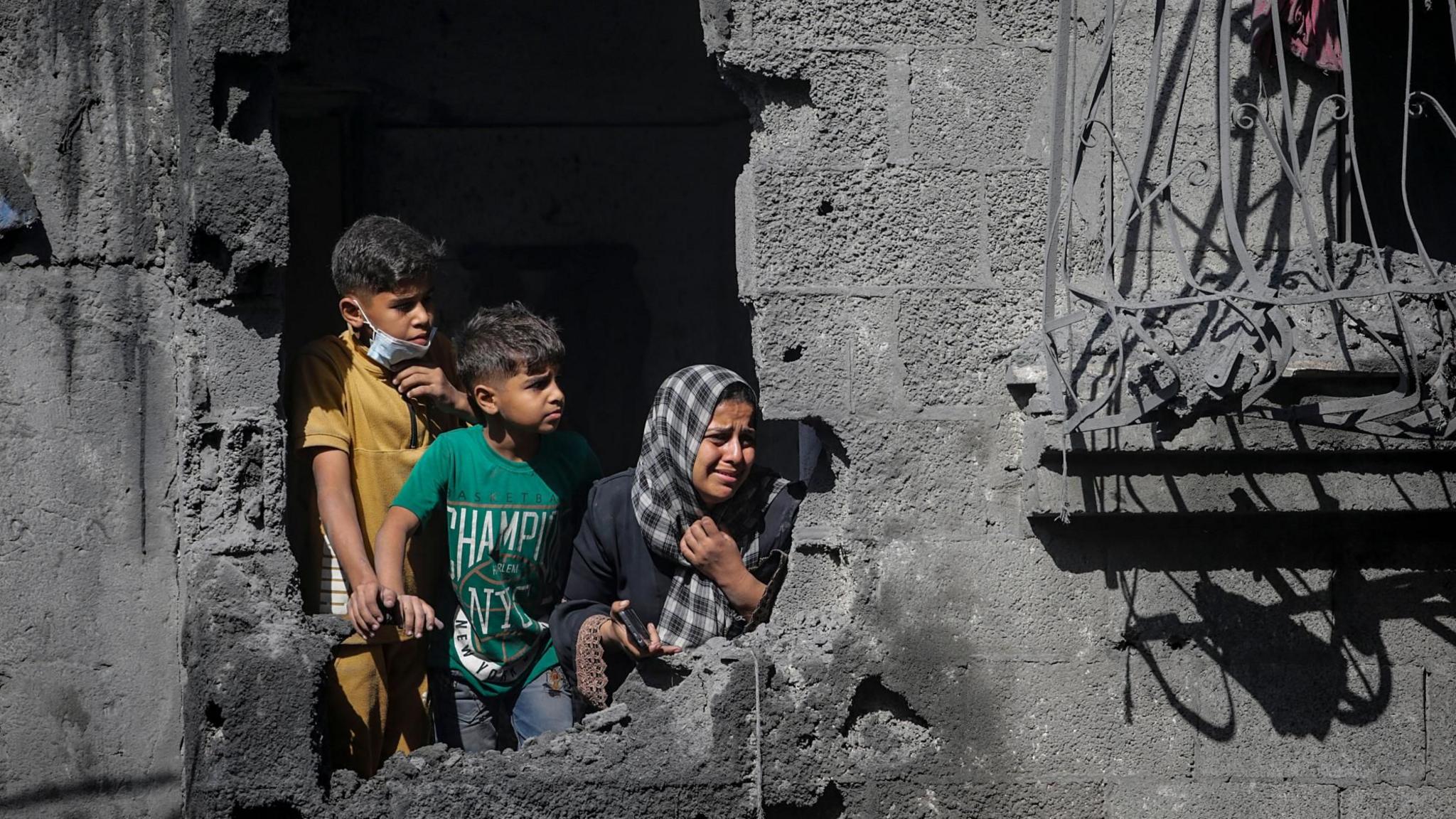
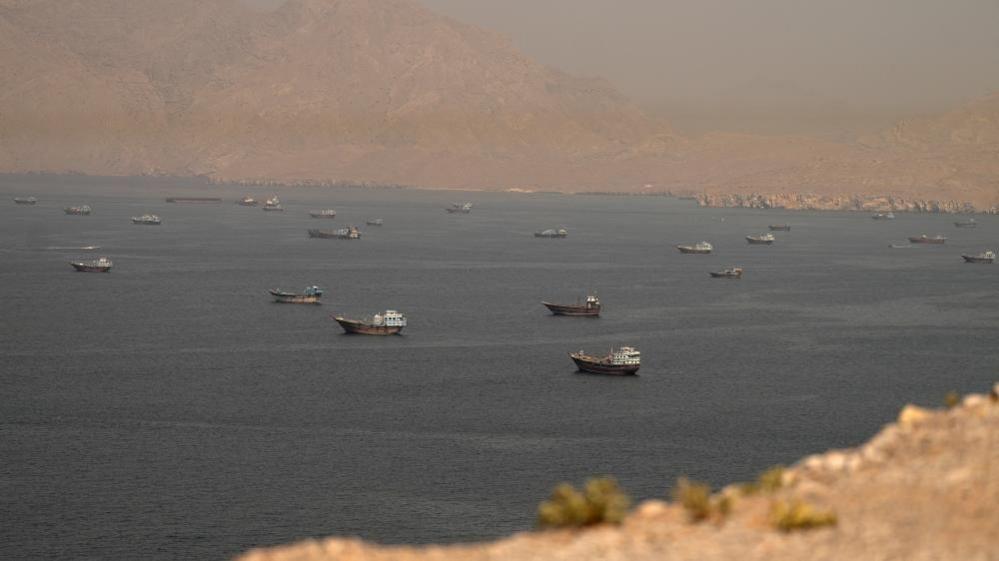
Economic forces have increasingly pressured Tehran. Sanctions, restrictions on shipping a‑way the Strait of Hormuz, limited access to oil markets a‑dict hard currency and high inflation have left ordinary Iranians struggling. The Kremlin‑style rhetoric of “strength” and “sacrifice” now competes with the real need for price stability and the possibility of prosperity that the MoU could bring if sanctions are lifted.
The agreement’s core issues remain contested. The future of Iran’s enriched uranium, sanctions relief, the status of Lebanon and the strategic balance in the Hormuz Strait will shape the very next steps of the talks in Geneva. Uncertainty over Israel’s policy toward southern Lebanon further complicates the picture.
For many Iranians the verdict will be pragmatic: will the war be ended, will prices drop, will hope for a stable future return? The official narrative of victory meets scepticism on the ground but may be the most realistic framing the regime can offer in its current split.