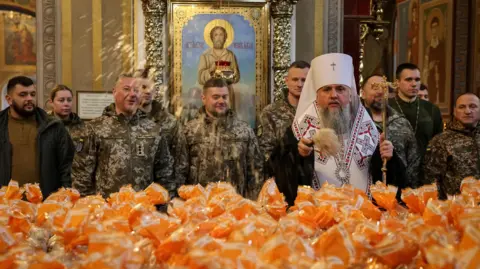
In a strategic yet contentious announcement, Russian President Vladimir Putin stated that his country will observe a ceasefire for Orthodox Easter, effective from 16:00 local time on Saturday, April 11, through Easter Sunday. This decision came in response to Ukrainian President Volodymyr Zelensky's persistent requests for a truce, which had previously been overlooked by Moscow.
The Kremlin is framing this announcement as a goodwill gesture, expecting Ukraine to follow suit, while also ordering its forces to remain vigilant against potential provocations. However, analysts suggest this may further inflame tensions as Ukrainians interpret Russia's tone as patronizing.
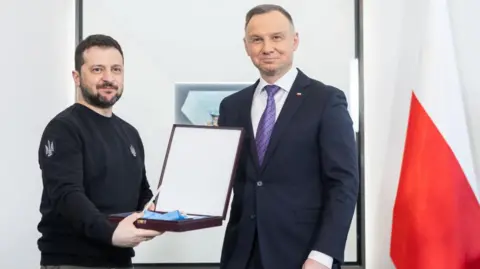
Zelensky quickly responded via social media, asserting Ukraine's readiness for reciprocity in the ceasefire — he emphasized the necessity for an Easter that is devoid of threats, urging Russia to seize the opportunity to reduce hostilities post-holidays.
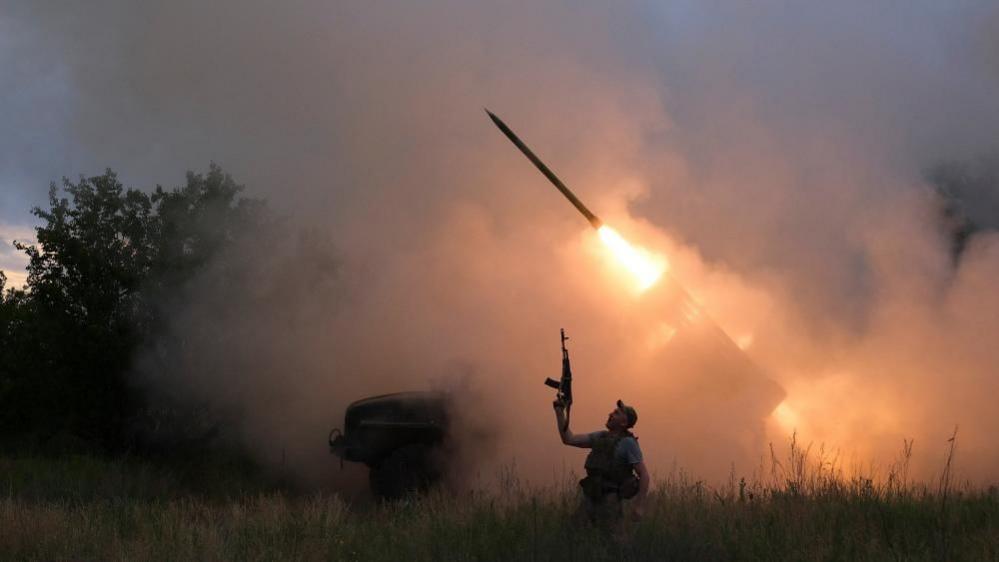
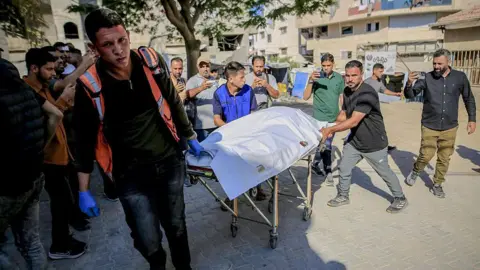
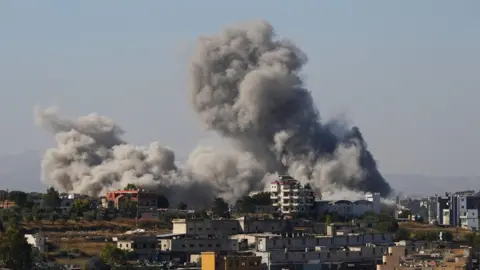
The call for a truce is particularly pressing given the ongoing violence and the harsh realities faced by soldiers stationed along the frontline, who endure relentless drone warfare. Civilian casualties continue to rise; just recently, a drone attacked a bus in Nikopol, killing several individuals.
As the clock ticks down to the designated ceasefire, skepticism amongst Ukrainians remains palpable, recalling previous declarations of quiet that were followed by further attacks. The hope for this temporary pause lies in its potential to foster a clearer path towards peace, despite a backdrop of significant mistrust.