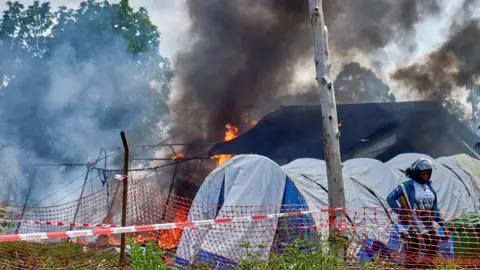
The Ebola outbreak in the Democratic Republic of Congo has been declared a public health emergency of international concern by the World Health Organization (WHO). This outbreak is particularly challenging due to a rare strain that currently has no available vaccine and cases surfacing in areas affected by ongoing conflict.
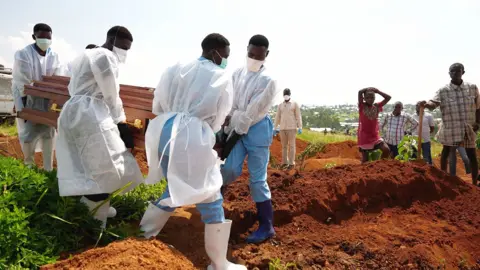
Ebola is a deadly disease caused by a virus, with symptoms that can resemble the flu initially, progressing to severe complications such as organ failure and bleeding. The disease spreads through contact with infected bodily fluids, making containment efforts crucial.
What makes this outbreak unique is the Bundibugyo strain of the virus, which has not been seen in over a decade and has only caused two previous outbreaks. This rarity complicates detection efforts, as initial blood tests often miss this specific strain. Furthermore, no approved vaccines or targeted therapies exist, although experimental options are in development.
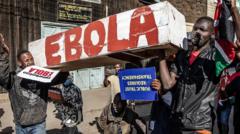
The civil unrest in the region has further hindered both the response teams and health authorities from gaining access to affected areas. A troubling cultural aspect also plays a role, as some communities misunderstand Ebola as a mystical illness, leading them to seek assistance from traditional practices rather than healthcare.
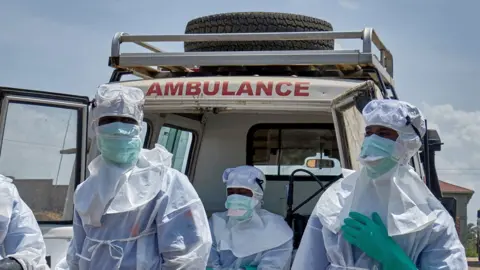
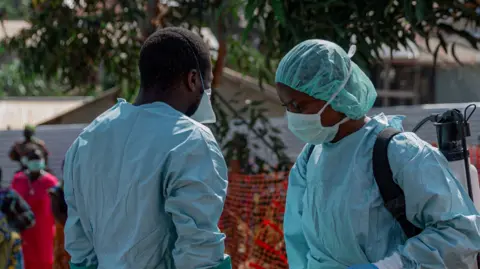
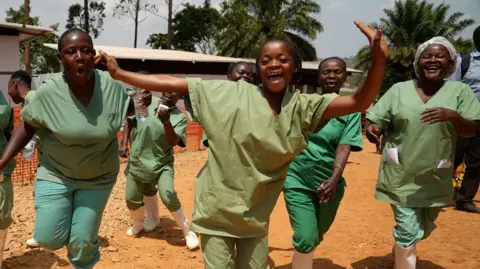
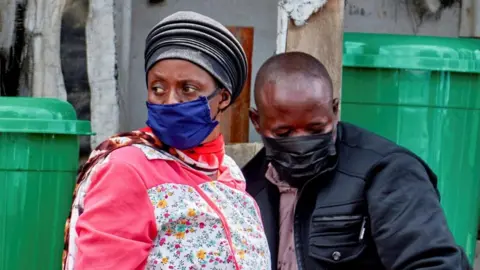
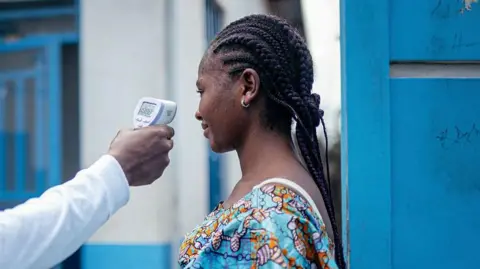
In response, health teams are mobilizing to provide protective equipment, treatment centers, and public health information. Regional neighbors such as Rwanda and Uganda are taking preventive measures, given the risk of cross-border transmission. The road ahead remains fraught with challenges, but efforts continue to mitigate the outbreak's impact.