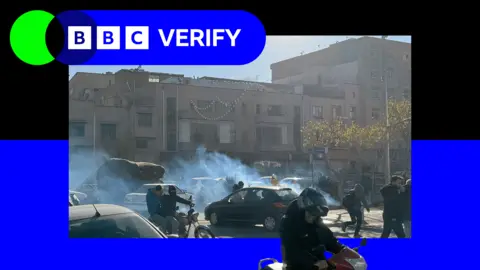
Protests have broken out in at least 17 of Iran's 31 provinces, presenting the largest challenge to the country's clerical establishment since 2022, a BBC Verify and BBC Persian analysis has found. The BBC's analysis includes only verified video footage – the true number of protests is likely much higher, with reports indicating unrest in an additional 11 provinces.
The wave of protests has spread rapidly across Iran since December 28, when anger initially erupted in Tehran in response to a significant devaluation of the national currency against major foreign currencies. Verified footage has documented anti-government demonstrations in over 50 towns and cities, revealing gatherings even in regions previously seen as loyal to the state.
More than 100 verified videos illustrate the scope of the unrest, indicating a serious challenge to the government, reminiscent of the powerful Women, Life and Freedom protests of 2022. Footage has shown protests in traditionally loyal cities like Qom and Mashhad, indicating widespread economic hardship affecting even the government’s support base.
Authorities have employed violence to suppress unrest in past protests. In the current situation, while the initial police response appeared restrained, evidence suggests a recent escalation in the use of force following remarks by Supreme Leader Ayatollah Ali Khamenei, who stated that 'rioters must be put in their place'. Reports indicate at least 35 people have been killed since the unrest began, including security personnel.
As the demonstrations continue, protestors are expressing discontent not only with economic issues but also with the broader clerical regime, chanting slogans against Khamenei and calling for substantial changes to the governance. Despite the protests' scale, experts suggest that they do not yet represent an existential threat to the regime, as security forces remain loyal to the state. However, the unrest underscores the deepening frustrations within the Iranian populace.
The wave of protests has spread rapidly across Iran since December 28, when anger initially erupted in Tehran in response to a significant devaluation of the national currency against major foreign currencies. Verified footage has documented anti-government demonstrations in over 50 towns and cities, revealing gatherings even in regions previously seen as loyal to the state.
More than 100 verified videos illustrate the scope of the unrest, indicating a serious challenge to the government, reminiscent of the powerful Women, Life and Freedom protests of 2022. Footage has shown protests in traditionally loyal cities like Qom and Mashhad, indicating widespread economic hardship affecting even the government’s support base.
Authorities have employed violence to suppress unrest in past protests. In the current situation, while the initial police response appeared restrained, evidence suggests a recent escalation in the use of force following remarks by Supreme Leader Ayatollah Ali Khamenei, who stated that 'rioters must be put in their place'. Reports indicate at least 35 people have been killed since the unrest began, including security personnel.
As the demonstrations continue, protestors are expressing discontent not only with economic issues but also with the broader clerical regime, chanting slogans against Khamenei and calling for substantial changes to the governance. Despite the protests' scale, experts suggest that they do not yet represent an existential threat to the regime, as security forces remain loyal to the state. However, the unrest underscores the deepening frustrations within the Iranian populace.