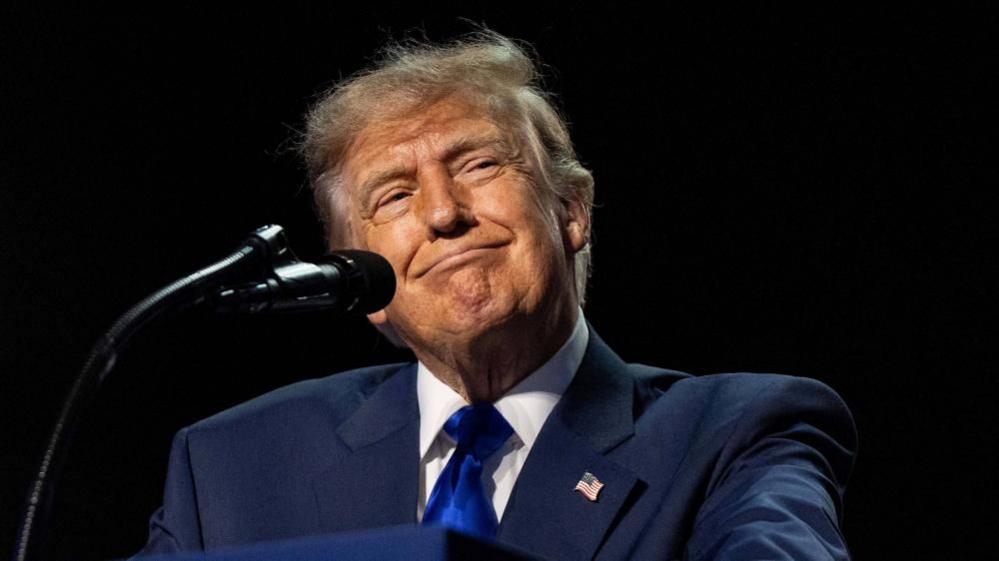
Democrats celebrated a critical election win in Virginia that could slightly shift the balance in the national redistricting competition, which was ignited by President Donald Trump's push to maintain Republican control in the House ahead of this year’s midterms. However, the victory is not without hurdles, as the Virginia Supreme Court will rule on whether Democratic lawmakers followed proper procedures when they proposed a new congressional map aimed at securing them up to four additional seats.
The outcome in Florida will also be significant, as the Republican-led Legislature, under Governor Ron DeSantis, is set to convene next week to redraw congressional districts in the hopes of bolstering their majority. Meanwhile, the U.S. Supreme Court is expected to provide a ruling in a Louisiana case that could undermine a key provision of the Voting Rights Act, potentially leading to new political maps across the Southern states, although any changes may not take effect until 2028.
After the Virginia amendment’s passage, Democrats could declare a tentative lead in the national redistricting race with a net gain of 10 seats compared to the nine claimed by Republicans. Nonetheless, as political dynamics continue to fluctuate, Trump's redistricting campaign may yield only minor increases in Republican-dominated House seats amid rising concerns over control of Congress as his popularity declines.
We have successfully blunted Trump’s attempt to completely hijack the midterms, stated John Bisognano, president of the National Democratic Redistricting Committee. Yet many within the Republican Party, including former Bush spokesman Ari Fleischer, argue that the GOP's approach has led to net losses of seats nationally and question the strategy's effectiveness.
Although some Republicans assert that it is premature to declare either side a clear victor, Trump attempted to dismiss the Virginia results, labeling them as fraudulent, reminiscent of his post-2020 election claims. He expressed skepticism about the integrity of the electoral process, suggesting pending judicial interventions may be necessary.
The repercussions of Virginia's redistricting strategy may extend beyond state lines, encouraging Democrats to counteract Republican advantages in states like Texas and others that have recently implemented pro-Republican maps.
Ongoing legal challenges will also shape these redistricting efforts. With key legal battles still pending and the potential for significant Supreme Court influence, the future of congressional mapping remains uncertain as the parties prepare for tension-filled elections ahead.