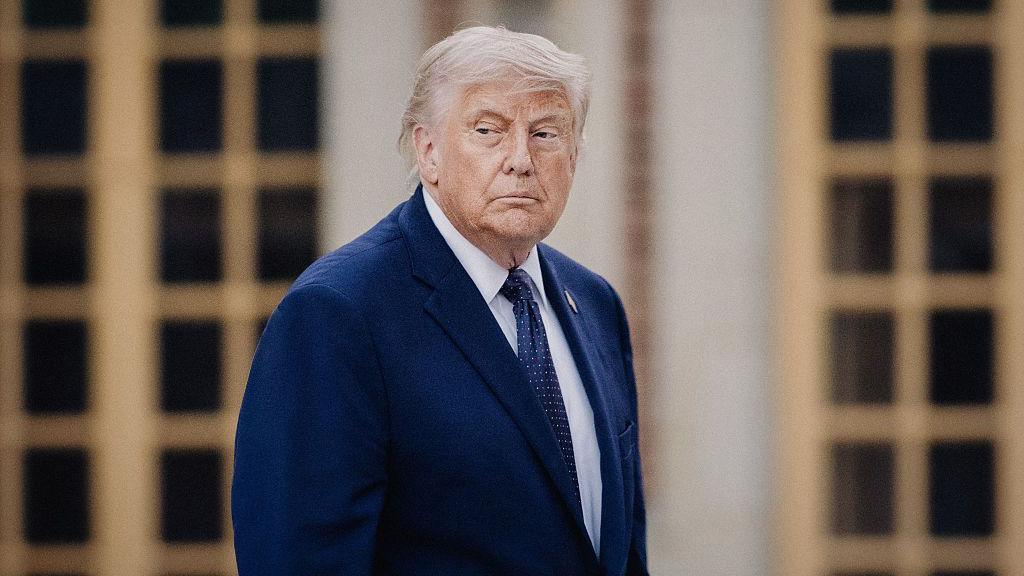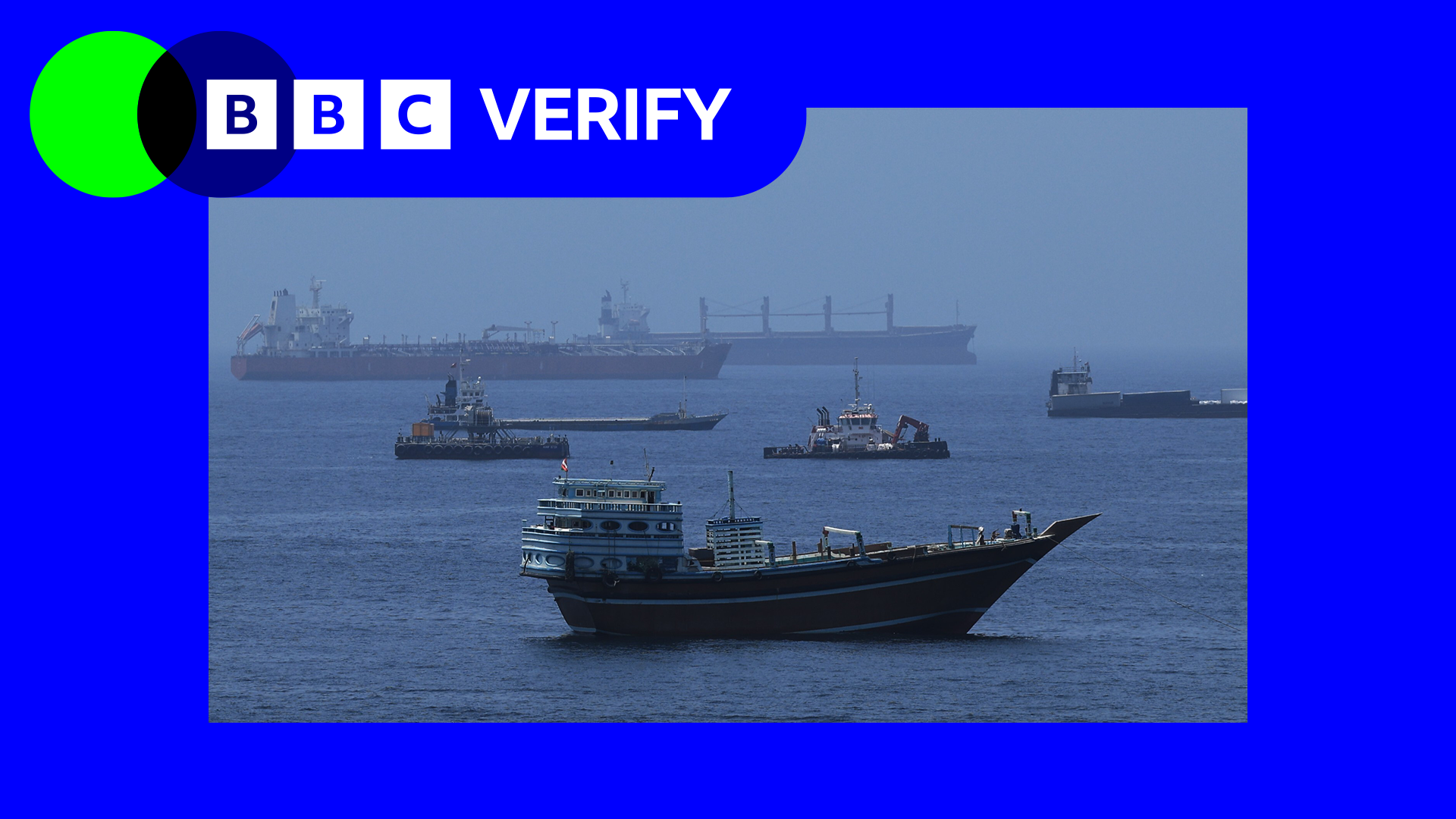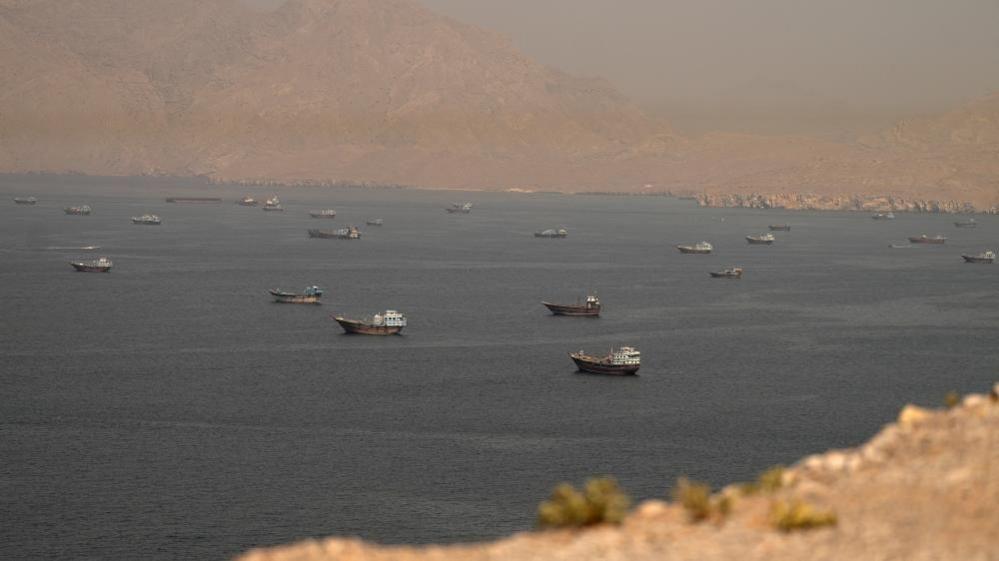
In a significant escalation of tensions, the US and Iran find themselves locked in a blockade standoff in the Strait of Hormuz, where both parties are actively intercepting commercial vessels. This development comes despite a fragile ceasefire extension announced by US President Donald Trump, which is set to expire soon. The waters of this critical maritime passage are becoming increasingly volatile, with fears that the situation may spiral out of control.
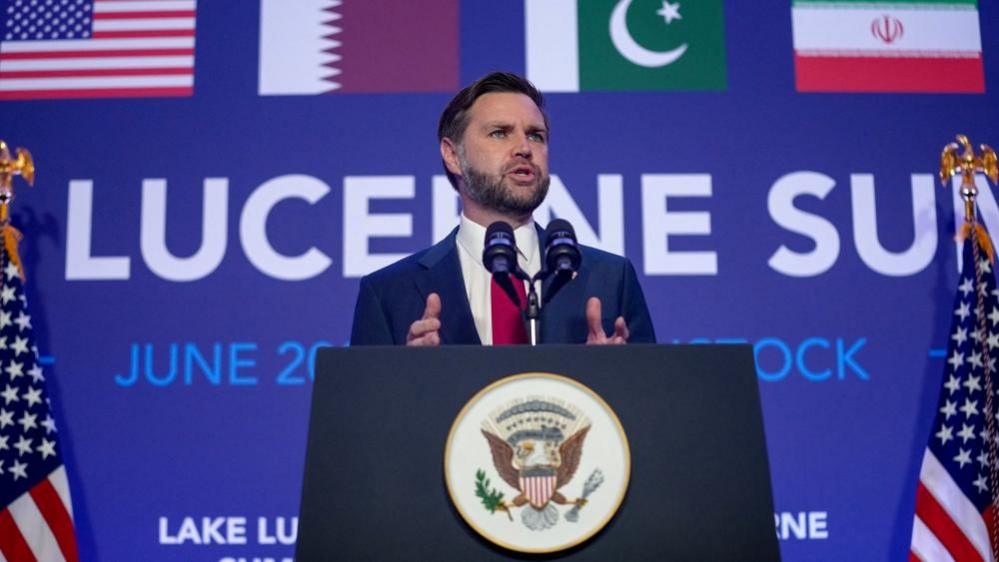
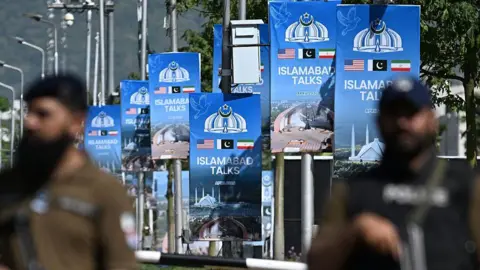
In the midst of this turbulence, Pakistani officials are awaiting the arrival of Iranian and American representatives in Islamabad for peace talks aimed at de-escalating the ongoing crisis. However, the atmosphere has shifted dramatically amid growing anticipation and speculation regarding the negotiations.
High-ranking hotels in Islamabad, which were prepared for the planned discussions, remain quiet and isolated, signaling potential missed opportunities for diplomatic resolution. Prime Minister Shehbaz Sharif of Pakistan is committed to using diplomatic channels to encourage resolution between the two adversaries, despite the complexities of the situation.
Just as Trump expressed optimism about a potential deal, the skepticism from Iran remains palpable, particularly given past grievances over US actions that contradicted diplomatic overtures. Strikingly, tensions persist alongside efforts for dialogue, leaving observers pondering the future of US-Iran relations.
With a backdrop of continuous blockades and diplomatic maneuvering, questions arise about the leadership dynamics within Iran and how they impact the potential for negotiations. This situation persists as all eyes remain glued to the Strait of Hormuz, where the stakes could not be higher.
In the midst of this turbulence, Pakistani officials are awaiting the arrival of Iranian and American representatives in Islamabad for peace talks aimed at de-escalating the ongoing crisis. However, the atmosphere has shifted dramatically amid growing anticipation and speculation regarding the negotiations.
High-ranking hotels in Islamabad, which were prepared for the planned discussions, remain quiet and isolated, signaling potential missed opportunities for diplomatic resolution. Prime Minister Shehbaz Sharif of Pakistan is committed to using diplomatic channels to encourage resolution between the two adversaries, despite the complexities of the situation.
Just as Trump expressed optimism about a potential deal, the skepticism from Iran remains palpable, particularly given past grievances over US actions that contradicted diplomatic overtures. Strikingly, tensions persist alongside efforts for dialogue, leaving observers pondering the future of US-Iran relations.
With a backdrop of continuous blockades and diplomatic maneuvering, questions arise about the leadership dynamics within Iran and how they impact the potential for negotiations. This situation persists as all eyes remain glued to the Strait of Hormuz, where the stakes could not be higher.