In brief
With the expiry of the patent on semaglutide, the active ingredient in popular weight-loss drugs like Wegovy and Ozempic, Indian pharmaceutical companies are gearing up to produce cheaper generics. This development could make once-expensive treatments accessible to millions while raising concerns about quality and potential misuse. As the country confronts rising obesity rates, the impending market transformation is being hailed as a pivotal moment in the fight against obesity worldwide.
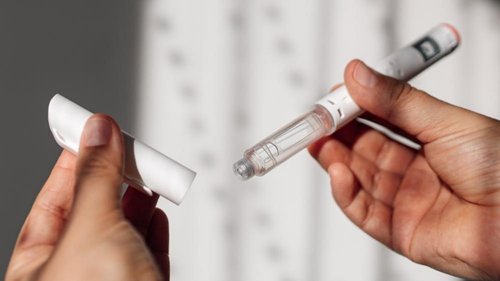
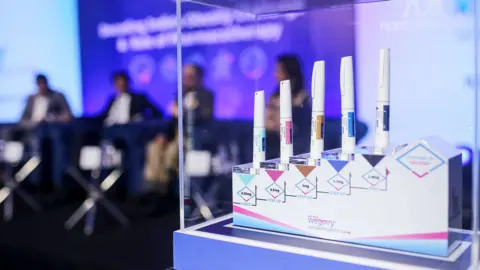
India could soon get a lot thinner - at least in theory. On Friday, the patent on semaglutide - the molecule behind Danish drugmaker Novo Nordisk's blockbuster weight-loss drugs Wegovy and Ozempic - expires in the country. This will allow domestic pharmaceutical companies to release cheaper copies or generics, leading to a rush of competition that could slash prices by more than half and rapidly expand access for people in India, and potentially other countries.Investment bank Jefferies has termed this a potential magic-pill moment for India, predicting the semaglutide market could eventually reach $1bn domestically with appropriate pricing and uptake. Analysts anticipate around 50 branded semaglutide generics to enter the market within months, following a familiar pattern seen in India's competitive pharmaceutical industry.India's pharmaceutical market, currently valued at approximately $60bn, is set to double by 2030, driven by generics. This shift could make what was once an expensive injection that primarily affluent patients used increasingly common.Originally developed to treat diabetes, semaglutide and similar drugs belong to a class of GLP-1 receptor agonists, which mimic hormones that regulate appetite and blood sugar. These drugs assist in boosting insulin release and slowing stomach emptying, contributing to feelings of fullness.However, current monthly treatment costs for Ozempic and Wegovy are steep, typically selling for 8,800 - 11,000 rupees ($95-$119) and 10,000-16,000 rupees ($108-$173), respectively. Experts predict that, with increased generic competition, monthly costs could decrease to 3,000-5,000 rupees ($36-54).As India's anti-obesity drug sector rapidly expands from approximately $16m in 2021 to nearing $100m, there is hope for added accessibility. Nevertheless, doctors stress the importance of careful regulation as generics flood the market. Concerns about potential misuse by unqualified prescribers, online pharmacies, and false weight-loss promises are prompting calls for tighter oversight.With more than 77 million individuals living with type-2 diabetes and a significant proportion of the adult population being overweight, the need for effective, accessible weight-loss solutions is urgent. Experts warn that while the prospects for weight-loss drugs are promising, quality control and proper medical guidance will be vital to ensure patient safety.