Warning: this article contains details which some readers may find distressing.
Until that moment, the war was something happening in other parts of Tehran. It had not touched the lives of Setareh and her colleagues. Then she heard an ominous noise and vibrations reached into the office.
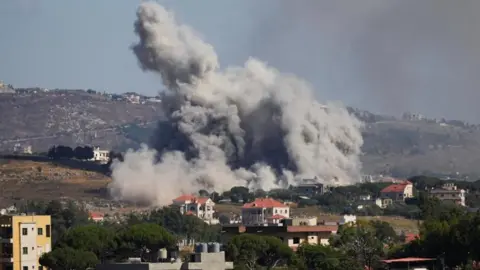
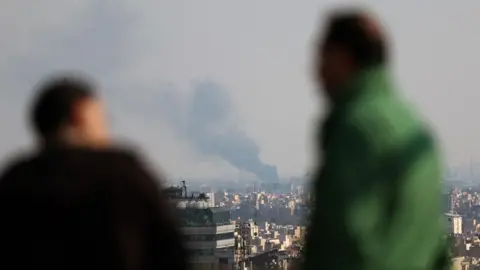
She called out to her workmates: I think it's a bomb. They left their desks and climbed the stairs to the roof of the building. We saw smoke rising into the sky, but we didn't know what place had been targeted, she recalls.
After that, everyone working in the company panicked. People were shouting and screaming and running away. For one to two hours the situation stayed like that, complete chaos. That same day her boss shut the business and laid off his staff.
Now the nightly bombing has stolen her ability to sleep naturally. She lies awake, worrying about the present and the future. I can honestly say I haven't slept for several nights and days in a row. I try to relax by taking very strong painkillers so I can sleep. The anxiety is so intense that it has affected my body. When I think about the future and imagine those conditions, I truly don't know what to do, she says.
By those conditions she means economic hardship and her fear of future street fighting between the regime and its enemies. The war has cost Setareh her job, and she is running out of money. Millions of Iranians are in a similar position. Even before the war, the economy was in deep crisis, with food prices rising by 60% in the previous year. Setareh describes mounting desperation as people run out of resources to survive.
Economic hardship spurred the huge nationwide protests of late 2025 and early 2026, and Setareh believes it will happen again. I don't know how this massive wave of unemployment will be handled. There is no support system and the government will do nothing for all these unemployed people. I believe the real war will start if this war ends without any outcome.
Despite strict state censorship, information from sources on the ground in six different cities reveals growing economic pressure and a hope that the war might lead to the regime's fall.
For many, including Tina, a nurse in a hospital outside Tehran, health care is becoming increasingly jeopardized. The most important issue is that this war must not reach hospitals. If the conflict continues and infrastructure is targeted and medicines cannot be imported, then we will face very serious problems, she emphasizes.
As images of war haunt her, she recalls stories from her own childhood of being brought up during the Iran-Iraq war of the 1980s. Her experiences have fueled her desire to care for others, but the repetition of history weighs heavily on her.
In the face of regime repression, dissent remains a dangerous endeavor. We all grew up knowing someone talented in our family whose future was destroyed just because another relative had been involved in banned political activity, says Behnam, a former political prisoner.
The voices emerging from this conflict paint a picture of despair, heightened anxieties, and a collective yearning for change. As the war continues, the long-term implications remain uncertain, but the courage to hope for a better future burns steadily, even against the backdrop of ongoing turmoil.