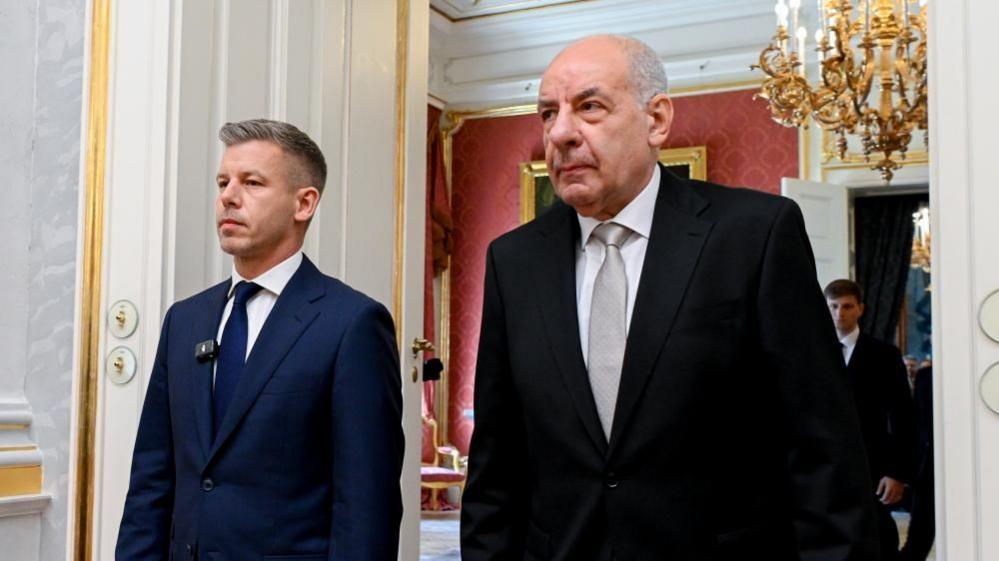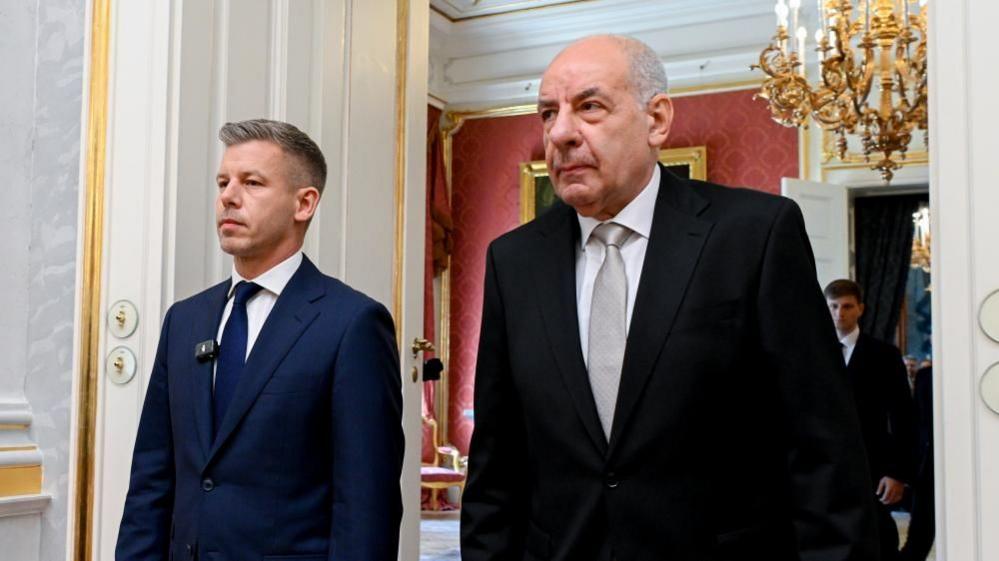
The Hungarian parliament voted to remove President Tamás Sulyok from office after a landslide election that saw Viktor Orbán’s Fidesz lose power in April.
Prime Minister Péter Magyar’s Tisza party used its two‑thirds majority to ratify the 17th amendment, ending Sulyok’s term and dismissing the head of the Constitutional Court, Péter Polt.
The vote, held early in the new government’s first week, was the most dramatic parliamentary motion since the Tisza coalition entered power in early May.
Sulyok has five days to sign the amendment – effectively his political death warrant – or to refer it to the Constitutional Court.
If he references the decision, Magyar pledged to launch impeachment proceedings, automatically suspending Sulyok. Alternatively, the former president could resign to avoid a constitutional crisis.
Fidesz deputies walked out before the vote, accusing the Tisza party of creating a tyranny. They argue the amendment bestows arbitrary dismissal power on the government, allowing instant removal of any public official.
"The great irony is that Fidesz has fallen before its own concept of power," said former opposition presidential candidate Péter Rona.
The 2011 constitution, drafted under Orbán, cemented the “winner takes all” rule, enabling the party to install loyalists in key state positions with a simple two‑thirds vote.
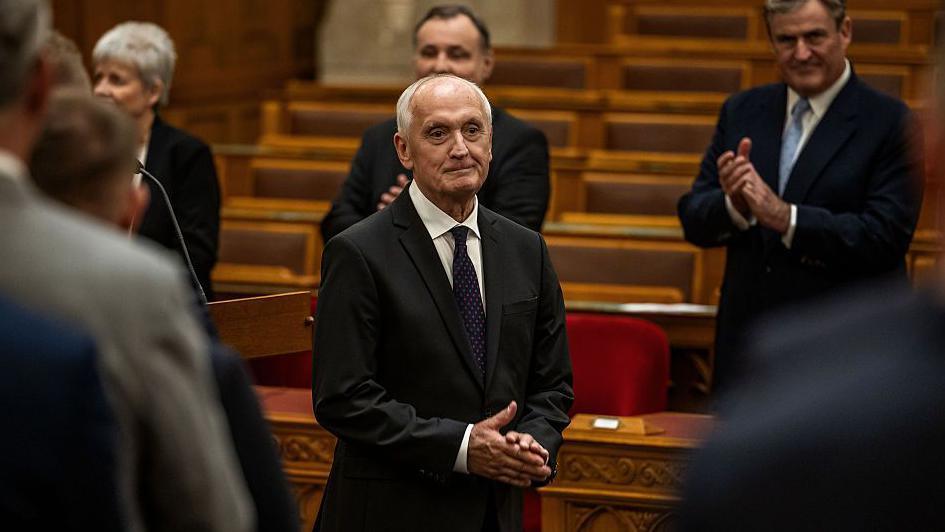
During the vote announcement, 141 Tisza deputies stood in a standing ovation.
The amendment also removes Constitutional Court judges who are over 70 and disqualifies deputies who have served three terms, affecting more than half of Fidesz’s current members.
Former Supreme Court head András Baka welcomed the removal of the president, saying Hungary had ruled by law from 1989 to 2010 but had since become an authoritarian state.
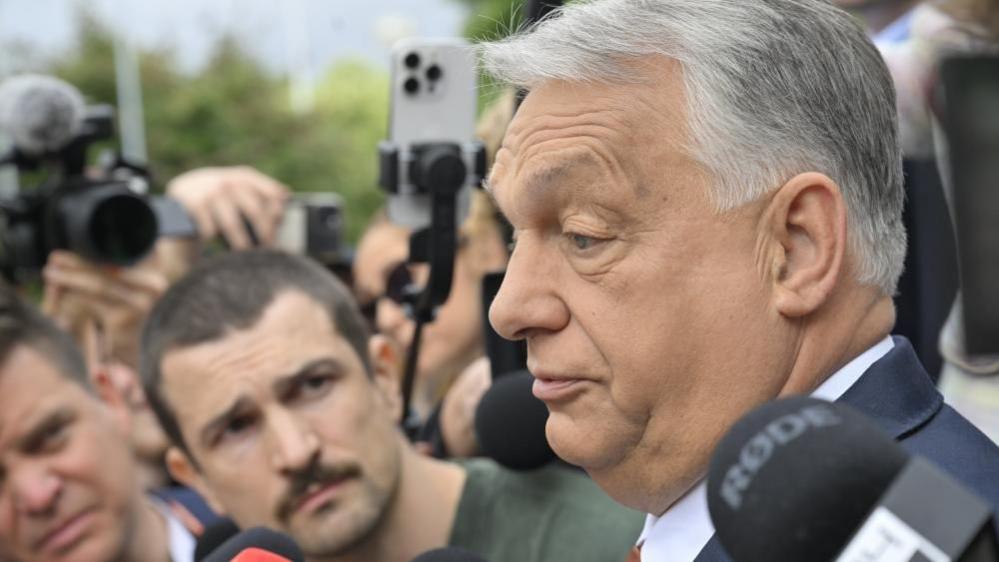
In the months since the April election, Orbán has largely stayed out of the public eye, refusing to take his parliamentary seat. He travelled to the United States to watch the World Cup finals on Monday.
Inside Fidesz, growing frustration over Orbán’s absence has led to several resignations, including Gergely Gulyás, who stepped down as the party’s parliamentary group head on Monday.