In brief
Romania shut down the second reactor at its Cernavodă nuclear plant after record‑low water levels in the Danube made the river unusable for cooling. The move cuts about 20% of the nation’s power supply, pushing the grid to rely on imports and supplementing domestic gas and coal output during evenings. The shutdown coincides with a continent‑wide heatwave that has knocked water levels in both the Danube and the Rhine to their lowest in decades, tightening hydro‑electric production across Europe. Hungary’s Paks plant, which also depends on Danube water, remains online but faces potential risks. The sustained heat is also choking the EU’s growth outlook and pressuring its agricultural sector. Analysts warn the situation might dictate a new strategy for how nuclear power plants manage cooling amid a changing climate.
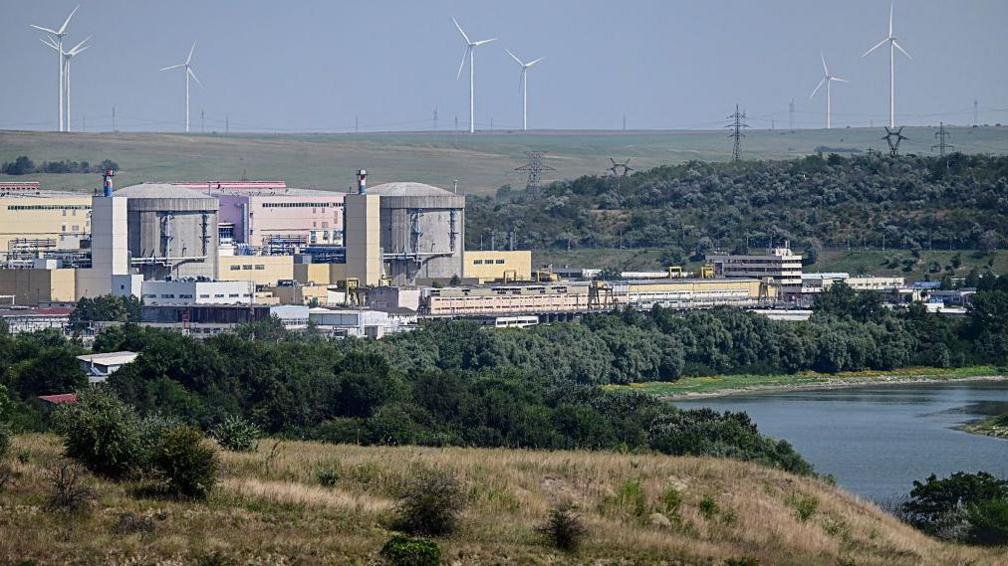
Romania’s sole nuclear facility at Cernavodă has been shut down, cutting roughly 20% of the country’s electricity output and forcing the grid to seek imports during peak evenings.
The shutdown followed a dramatic drop in Danube River water levels driven by an intense, dry heatwave that has taken a toll across Europe. The river’s low flow left the plant’s cooling system unable to draw the water it needs, prompting plant director Romeo Urjan to disconnect the second 706‑megawatt reactor at midday on Thursday. The first reactor had already been offline since July.
In an attempt to raise the water level, authorities sank barges laden with rocks into the river, but the effort failed to restore adequate flow to the plant’s suction nozzles. As a result, Romania’s grid will now rely more heavily on imports of gas and coal during the evening, while solar and wind generation cover deficits during daytime heat and windy conditions.
Hungary’s Paks nuclear plant, its only domestic power source that also taps the Danube for cooling, has remained online so far but faces the same risk of future shutdowns, according to Prime Minister Péter Magyar.
The flow crisis mirrors a continent‑wide trend of lowered river levels, with the Rhine also approaching record lows that threaten navigation. Europe’s hydropower capacity—also highly dependent on river flow—has suffered heavy cuts alongside the nuclear outage.
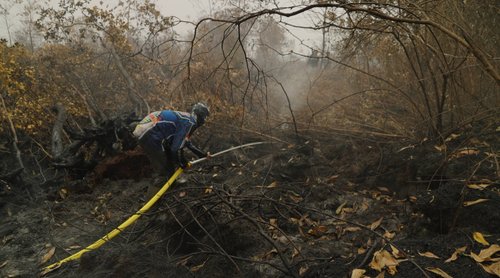
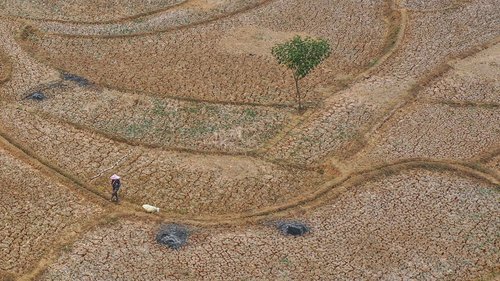
Beyond energy grid concerns, the heatwave is weighing on the EU’s economic outlook. The Dutch bank Triodos warns the extreme temperatures and associated water shortages could undermine projected growth, while agriculture suffers from hail, drought and wildfires that might exceed €3 bn in damages.
The Cernavodă incident underscores the vulnerability of nuclear power plants that rely on river water for cooling in a warming climate. The long‑term strategy for energy resilience in Europe may need to incorporate alternative cooling solutions, diversified renewable portfolios, and enhanced import capacity to withstand such climatic shocks.