In brief
Local jam‑making workshops illustrate how Afghan women still find an outlet for skill and income while the Taliban has barred girls over 12 from schools and universities. International pressure—ranging from UN diplomatic presence to EU‑Taliban dialogues—offers limited gains but faces deep skepticism from both sides. Critics argue that without meaningful change from Afghan leaders, any external influence will remain peripheral. The story ends on a sober note: the long‑term hope for women's rights in Afghanistan lies predominantly within the country itself.
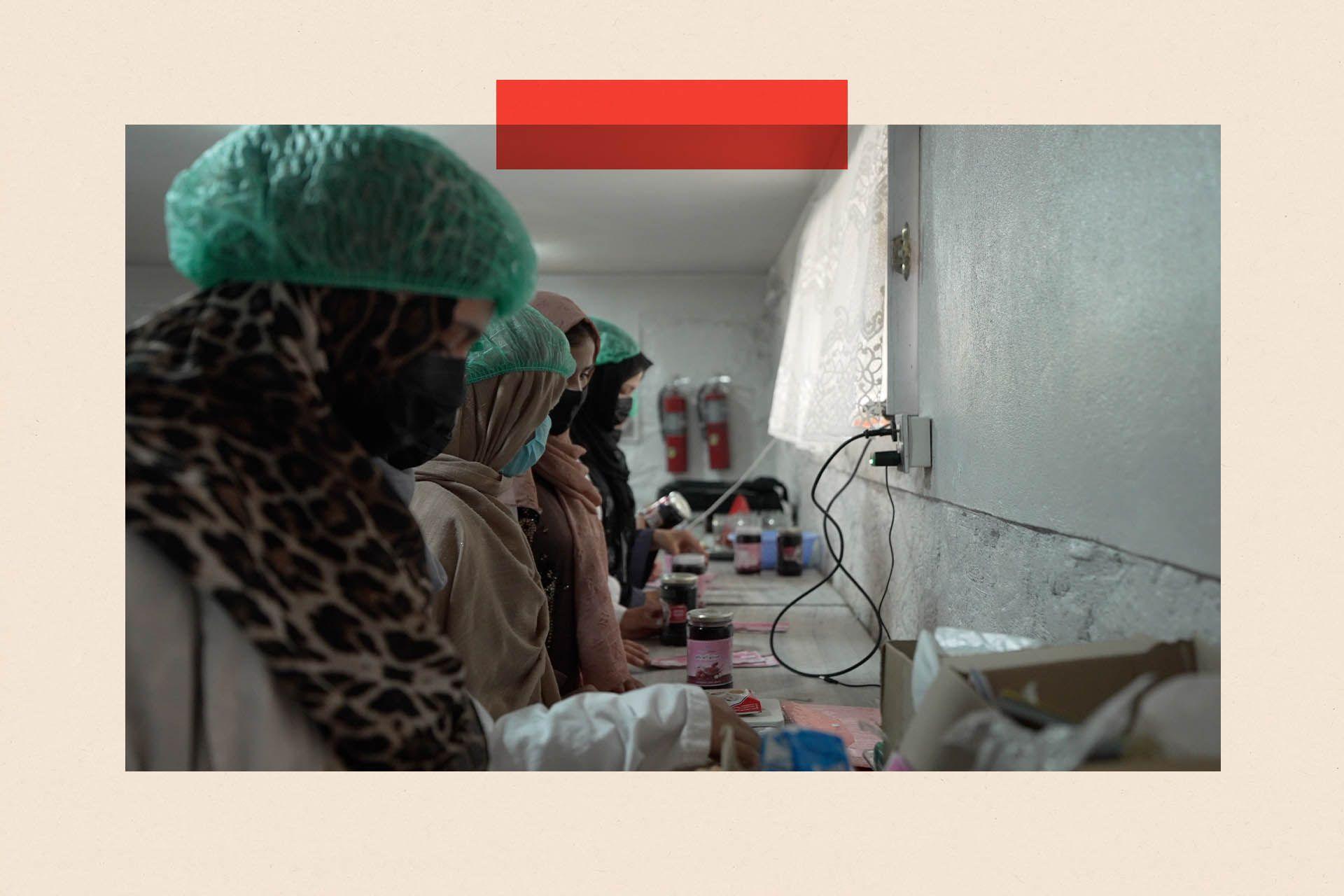
In a whitewashed basement in a village south of Kabul, a dozen young women bustle between cauldrons of cherry and plum jam, placing labels on glass jars. The space is run by 47‑year‑old Najia, a mother of nine who was married at 14, and stands as one of the few places where Afghan women still acquire skills and a means of income while the Taliban blocks girls over 12 from official schooling and universities.
The Taliban’s recent decree requires women to ask men to transport goods to market and limits stall ops to male attendants, citing women’s purported lack of proper hijab. Najia says, “The world has to talk to the Taliban in a different way because it’s just not working.” Her voice echoes a country where women are banned from the public sphere and where the West’s influence feels increasingly vacuous.
International engagement is split. Western nations focus on human rights, while others seek investment and access to mining and energy deals with Beijing, Moscow, Abu Dhabi and neighbouring states. The United Nations remains one of the few bodies actively on the ground, aiming to make incremental gains on prisoner treatment, moral‑code enforcement and humanitarian access, yet its role is debated as a “slow progress” that may be better than none.
Diplomats have tried to keep dialogue open: the Taliban’s own spokesman, Zabihullah Mujahid, has called for closer diplomacy; the EU hosted a delegation in Brussels to discuss consular presence and repatriation of Afghans without legal status, a move seen by critics as “creeping normalisation.” Yet the image of the Taliban’s emir remains unbending on education and gendered restrictions.
Behind the formal talks are “workarounds” on the ground. Many aid agencies turn to discreet discussions with local Taliban officials, enabling women to work from home or in separate spaces from men. Critics say such compromises merely give the Taliban leverage, while proponents argue minimal, consistent engagement is the only way to keep access alive.
Within Afghanistan, activists like 78‑year‑old Mahbouba Seraj argue that real change must come from inside the country. Her 30‑woman shelter shut down in December after repeated calls to reopen girls’ schools went unanswered. She stresses that international talks should stay focused on tangible action, not just symbolic meetings.
The future of Afghan women’s rights appears to hinge on a gradual internal shift rather than foreign intervention. While the world’s eyes remain on Ukraine and the Middle East, Afghanistan occupies a quiet but critical space where every window of opportunity is a fight for survival. The continued expansion of Afghan embassies worldwide—more than 40 now—shows that the Taliban’s power persists, yet the international community’s challenge remains: to pursue engagement that respects Afghan sovereignty while demanding tangible rights.
As the country stands at a crossroads, the stark images of jam workshops, Taliban fighters, and rescued young women paint a picture of perseverance and the grueling reality of resilience under an unpredictable regime. It remains a question of whether engaged diplomacy, outside pressure, or internal transformation will eventually open doors for Afghan women again.