Romania’s Nuclear Shutdown: Danube Dwarfs Its Only Reactor
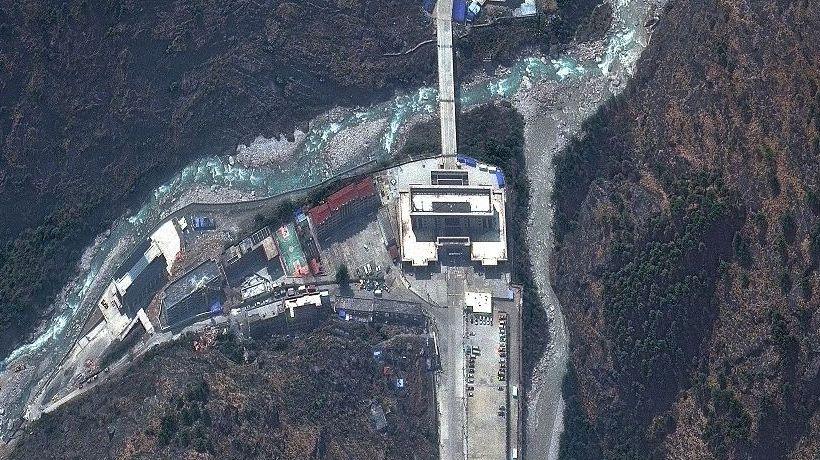
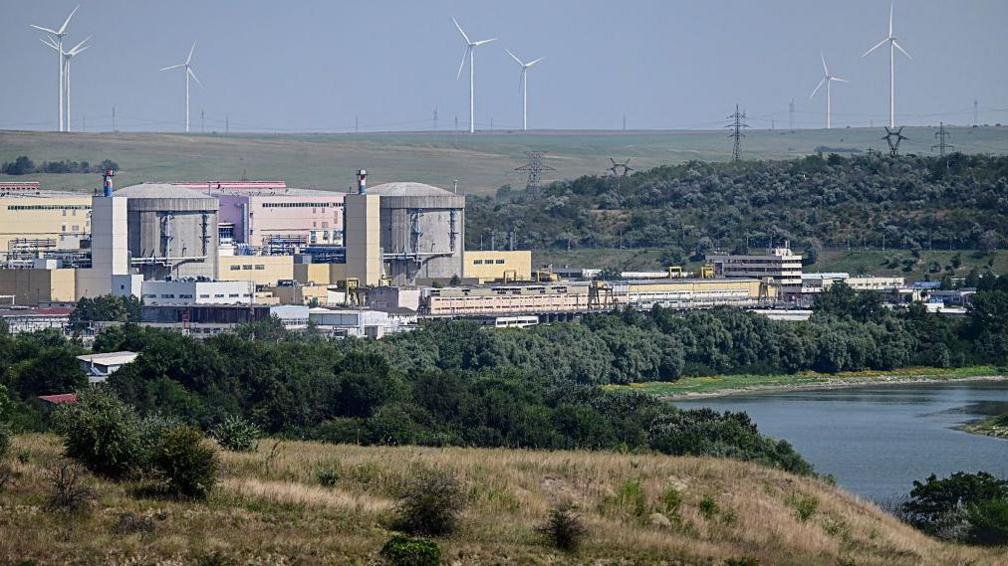
Romania’s sole nuclear power station, the two‑reactor Cernavodă complex, was shut down on Thursday because the Danube River—its cooling source—dropped to record low levels.
Why the Reactor Went Offline
The plant relies on river water to keep the reactors cool. With the Danube falling to roughly 30‑year lows, the cooling nozzles could no longer reach the water. Plant director Romeo Urjan said the reactors will not restart within the next ten days.
Broader Energy Implications
Cernavodă normally contributes about 20% of Romania’s electricity. The shutdown means the country will fill the resulting 12‑to‑15% shortfall with solar, wind and, later in the day, higher output from gas and coal plants. To avoid a bigger crunch, Romania will also import power from neighbouring markets.
In Hungary, Prime Minister Péter Magyar warned that its Paks plant—also dependent on Danube water—could face a complete halt. However, the Hungarian plant has yet to shut down.
Root Cause: Europe’s Rising Temperatures
The European continent is warming twice as fast as the global average, according to Copernicus. Record heatwaves are dropping river flow and endangering water‑dependent infrastructure across the region, from Romania to France and the Netherlands.
Looking Ahead
Authorities are still scrambling to lift the Danube levels using barges and other flood‑control measures, but the water stage remains the decisive factor. Until the river rises again, Romania’s only nuclear plant will stay offline, illustrating the broader vulnerability of energy grids to climate shocks.