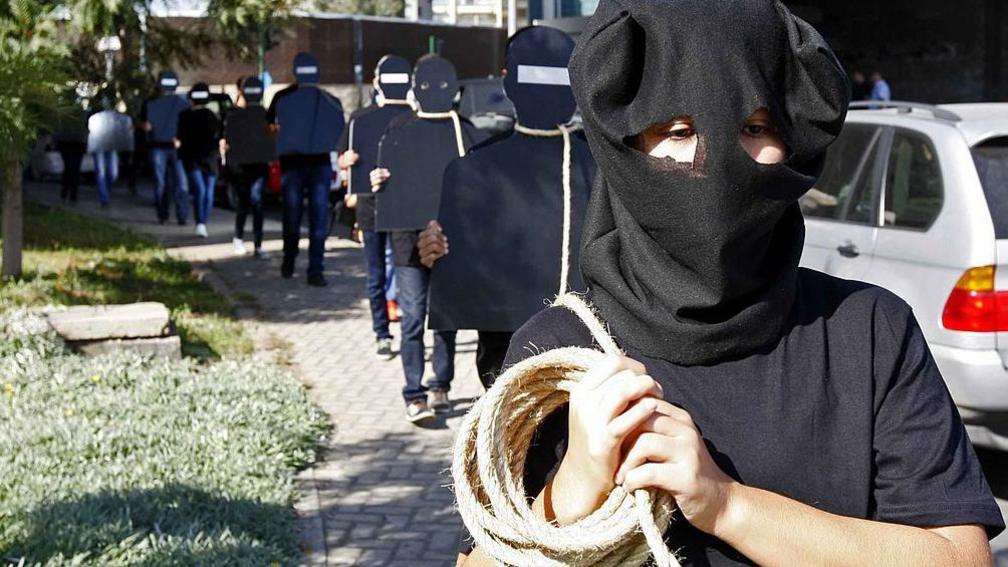
On Tuesday Lebanon’s parliament voted to abolished capital punishment, making it the first nation in the Middle East to formally end the death penalty.
The vote was secured by a majority of MPs, though Hezbollah’s parliamentary bloc opposed the measure.
The legislature will next be presented to the cabinet before President Joseph Aoun signs the bill, a step the government has publicly pledged to support.
Lebanon has stopped carrying out executions since January 2004, but courts have continued to hand down death sentences, leaving an estimated 78 people on death row.
The new law stipulates that the death penalty will be replaced with life imprisonment, including hard labour – a provision that has seldom been put into practice because of the nation’s financial crisis and overcrowded prisons.
Activists linked the reform to decades of advocacy by civil‑society groups, noting that the legislative change follows a de‑facto moratorium that has effectively suspended executions for more than two decades.
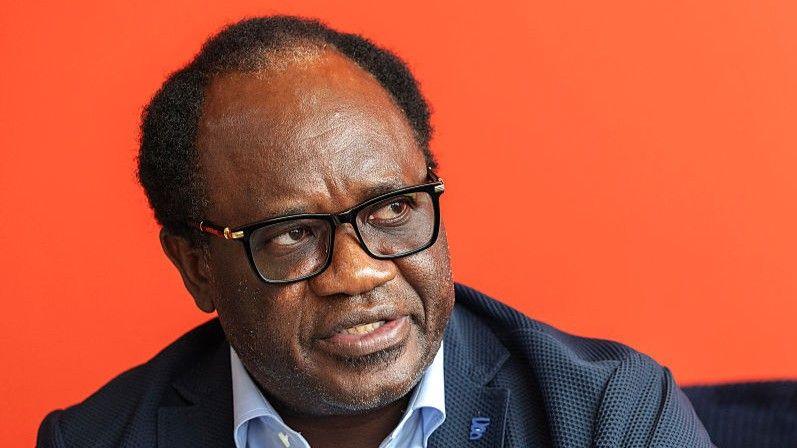
The author Oragit Younan, co‑founder of the Lebanese Association for Civil Rights, says abolishing the death penalty demonstrates that human rights can prevail even in wartime.
Around the same time, execution trends vary across the region.
Jordan resumed executions in June, carrying out its first death sentence since 2017, while Israel’s parliament approved new laws expanding the circumstances in which capital punishment can be imposed.
The international community, including the UN, raises concerns about the rising use of the death penalty in Iran and the broader statement it commands.
Lebanon’s decision to repeal capital punishment is a landmark achievement for human‑rights advocates.
The reform not only changes the country’s punishment system but also sets a precedent that could influence regional judicial reform and international human‑rights discourse.