The removal of Ukrainian defence minister Mykhailo Fedorov has sparked a wave of controversy, with far‑reaching implications for the country’s political landscape.
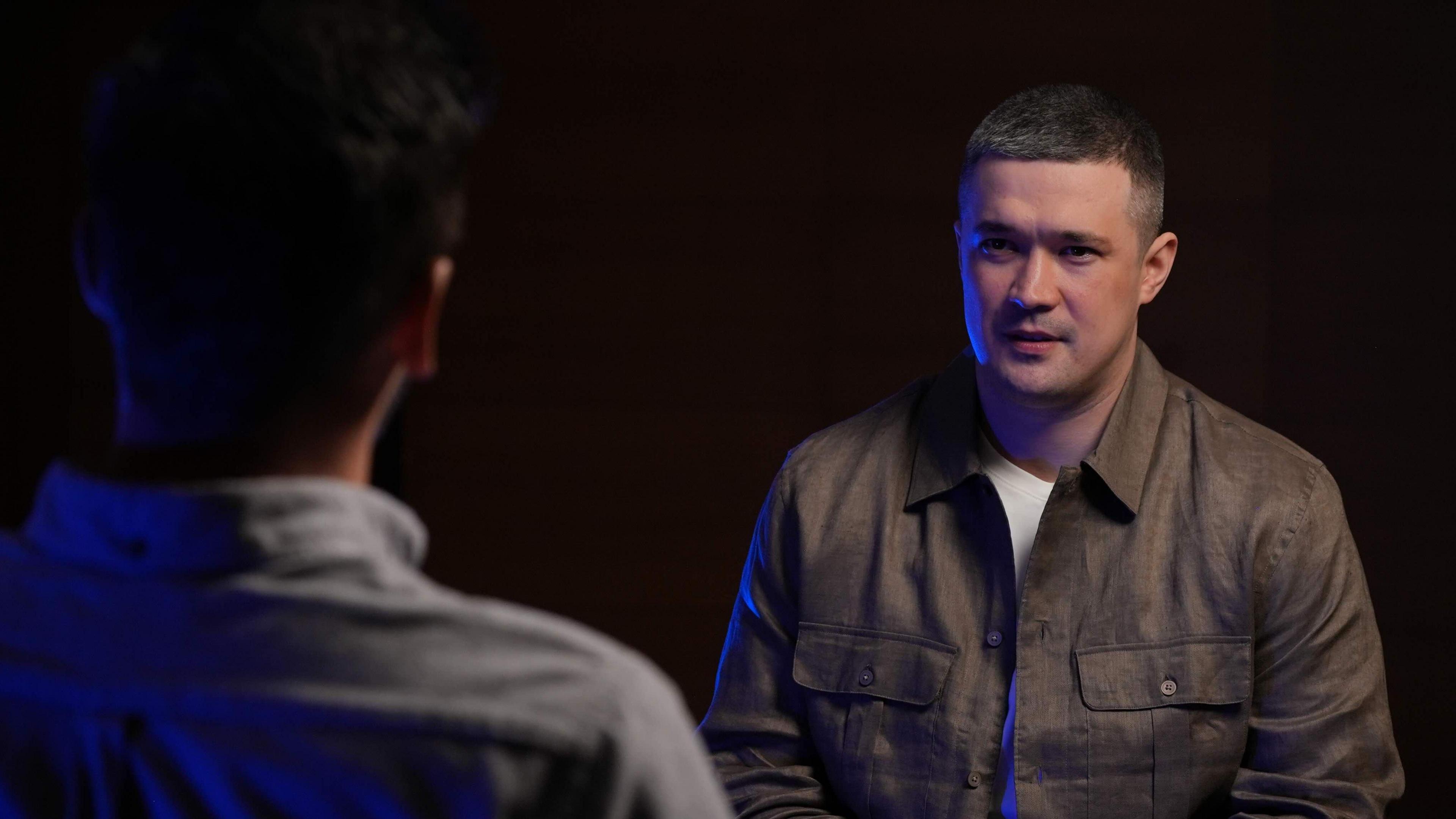
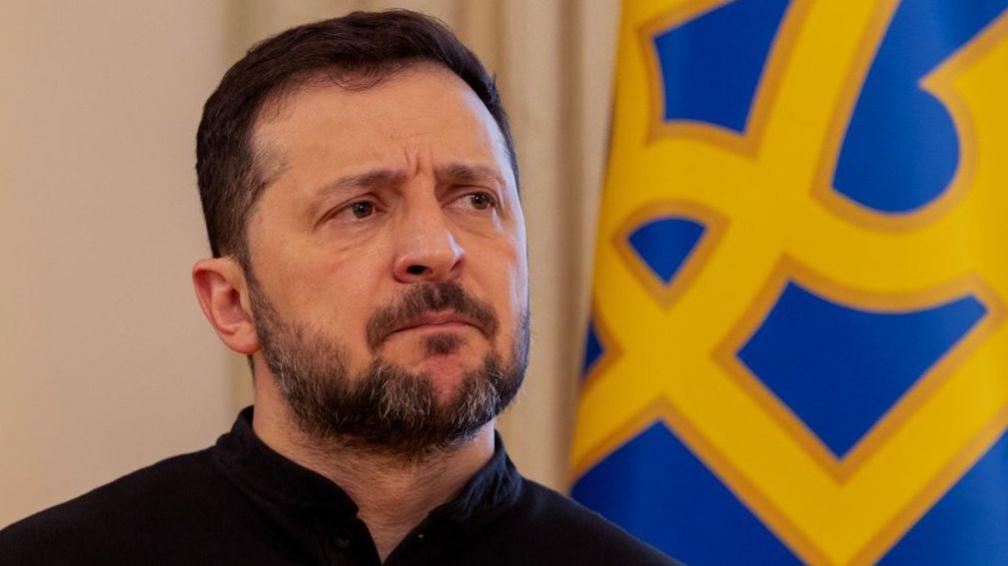
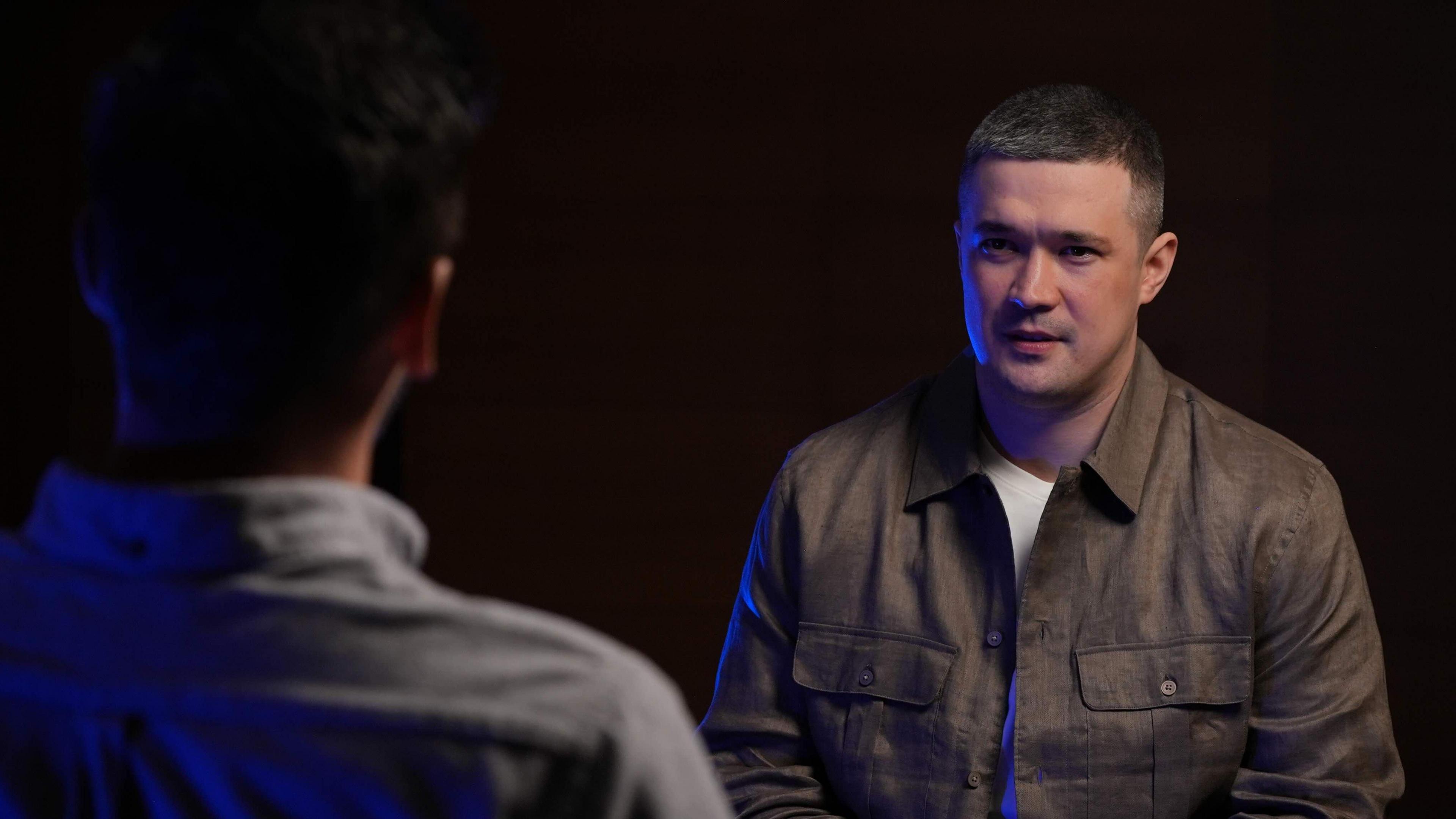
In a tense BBC interview, the sacked minister slammed a money‑laundering investigation that raises questions about President Volodymyr Zelensky’s awareness of possible corruption within his inner circle. “Let him answer this question,” he told the BBC, urging the president to be transparent about whether he was fully cognisant of the alleged misconduct.
Fedorov, who once pioneered Ukraine’s drone war capabilities, stressed that “democracy should not be a hostage of Putin.” While he stopped short of announcing political ambitions, he reiterated his belief that his personal experience as a leader could inform Ukraine’s future elections.
Polled supporters marched through Kyiv’s streets, demanding the minister’s reinstatement, a move that highlights a domestic push for democratic accountability even amid martial law’s constraints.
In an alternate timeline, an earlier presidential election—unblocked by the war’s logistical headwinds—could have ushered in a different set of domestic policies, potentially altering the country’s strategic footing against Russia.
For now, Fedorov’s open call for elections marks a stark pivot. At the same time, leaders have to decide whether artillery strategies and grassroots politics can coexist under the weight of the ongoing conflict.