EU and NATO Double Down on Russia After Leipzig Drone Escalation
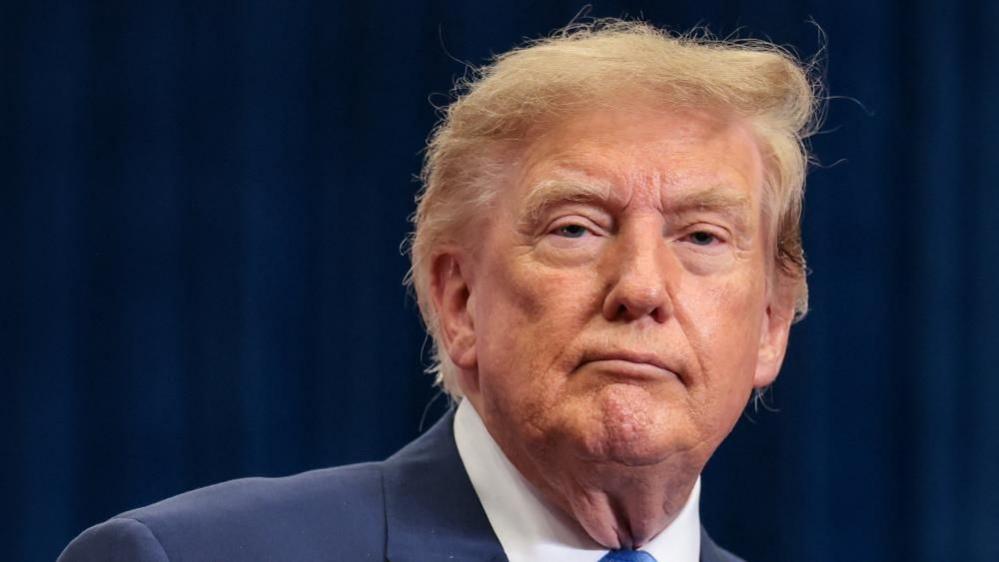
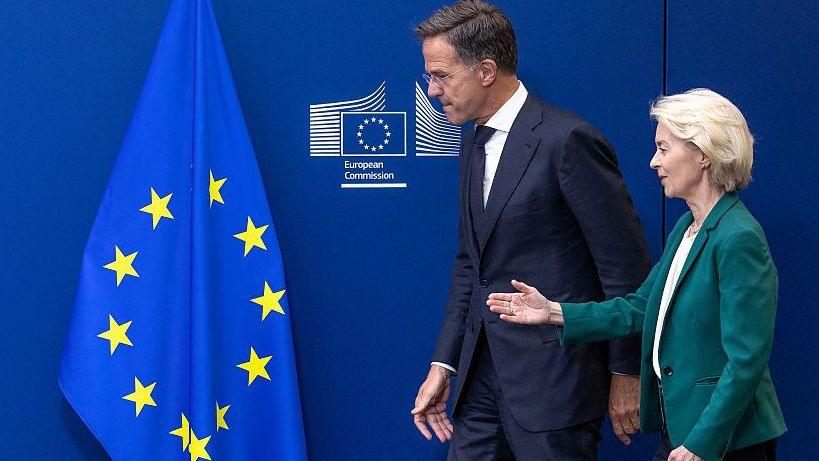
Ursula von der Leyen and Mark Rutte met in Brussels on 2 September to warn of a new “normal” for European security after Germany blamed Russia for a failed drone attack on Leipzig airport. The heads of the European Commission and NATO pledged quicker, stronger responses to what they termed Russia’s increasing recklessness.
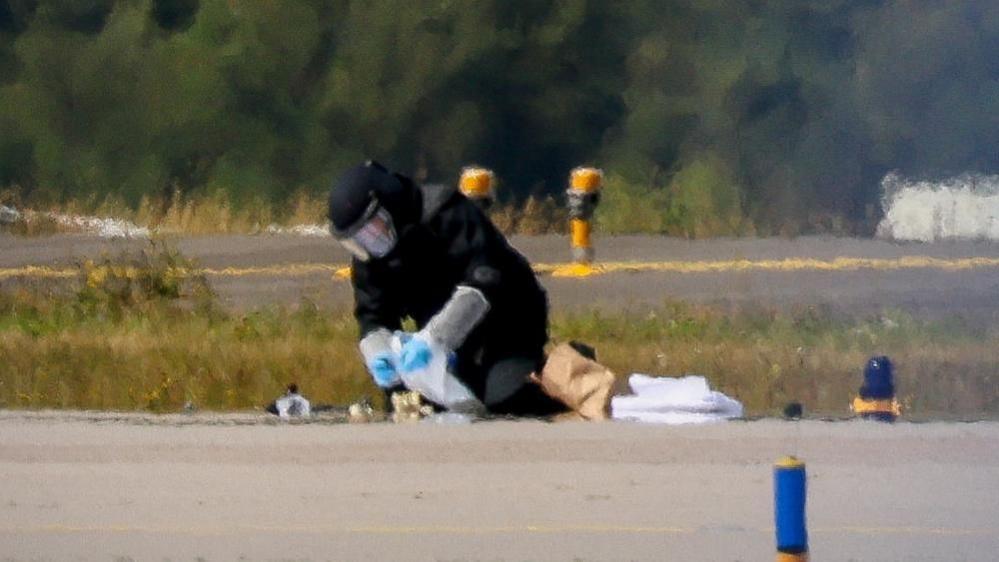
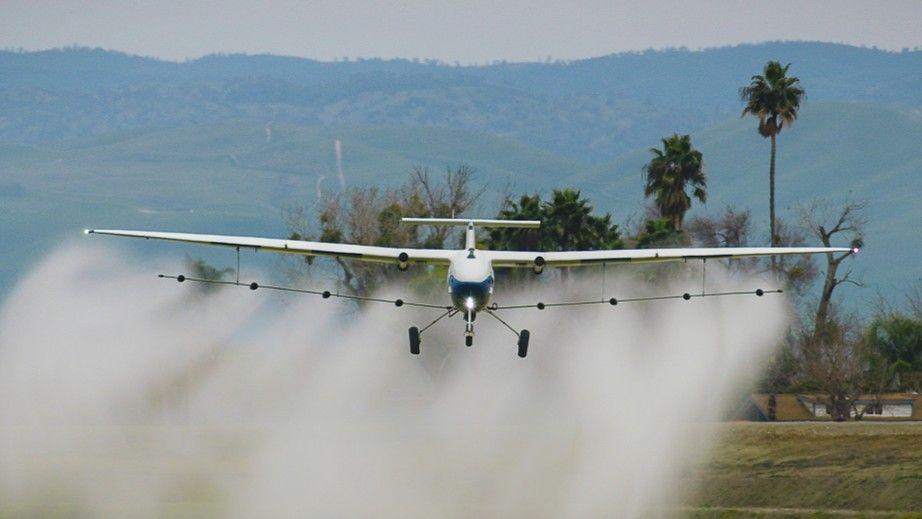
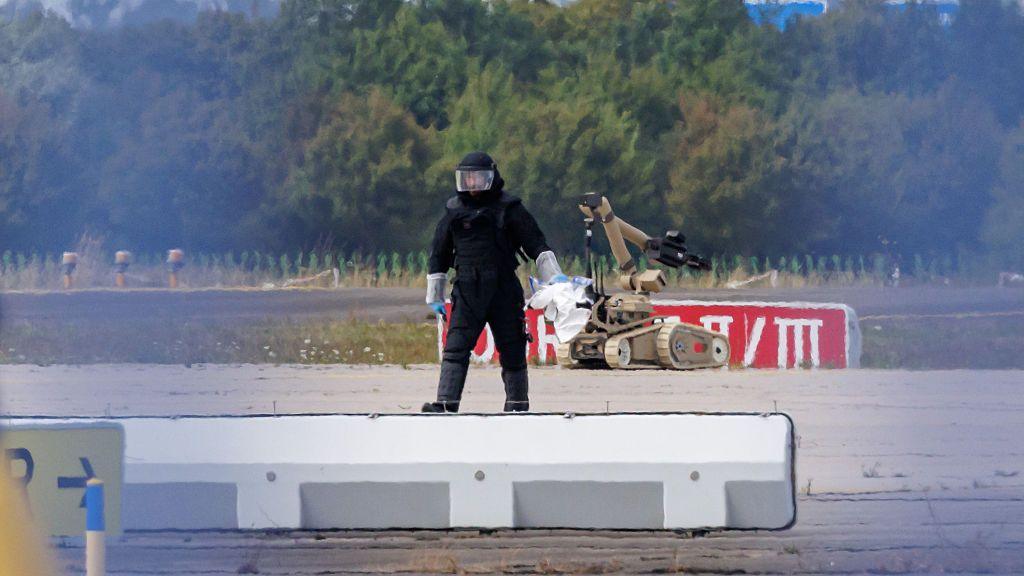
"Leipzig marks a new escalation on European Union soil directly attributed to Russia," said von der Leyen, a day after German authorities had blamed a Russian drone carrying explosives on an attempted strike against a Ukrainian cargo plane. German police later confirmed that the drone’s design and explosives matched Russian hybrid operations.
Berlin’s response was swift and symbolic: the city will close the Russian consulate in Bonn and the Russian House cultural institution in Berlin, which many allege acts as a Kremlin propaganda outlet. The Russian foreign ministry denied evidence and warned of a mirror‑image reaction.
NATO Secretary General Rutte stated the alliance, including the United States, stood in full solidarity with Germany. The alliance’s new stance highlights rising risks from drones and missiles that could cross into Eastern member states, especially after attacks on energy infrastructure and manufacturing facilities.
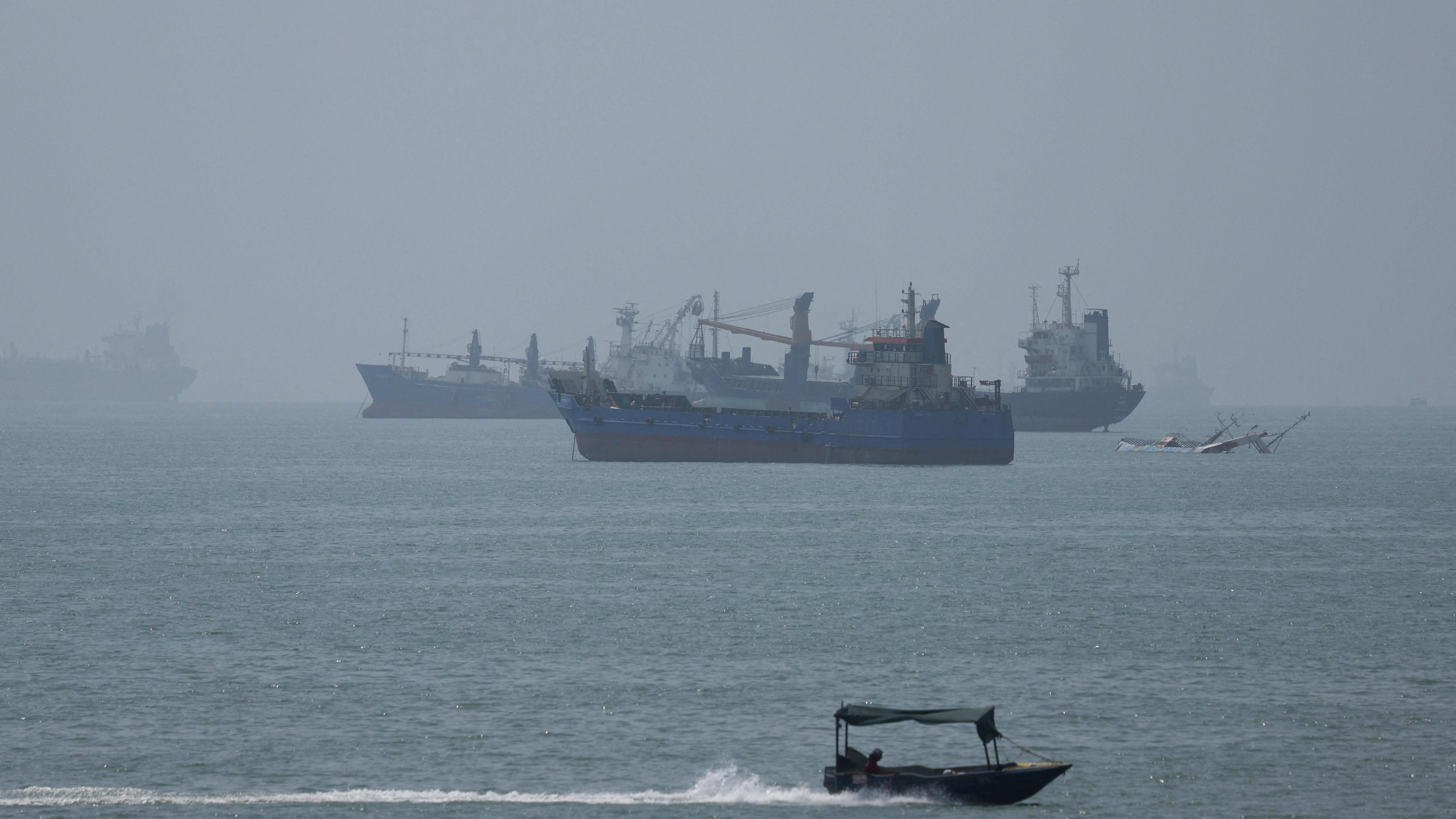
EU foreign ministers, meeting in Wicklow, discussed broader sanctions and the “shadow fleet” of Russian ships that slip sanctions by moving cargo through Britain and other ports. France’s Foreign Minister Jean‑Noël Barrot called for action on a European level, while Lithuania’s Kestutis Budrys warned that Russia’s hybrid operations come at “no political cost.”
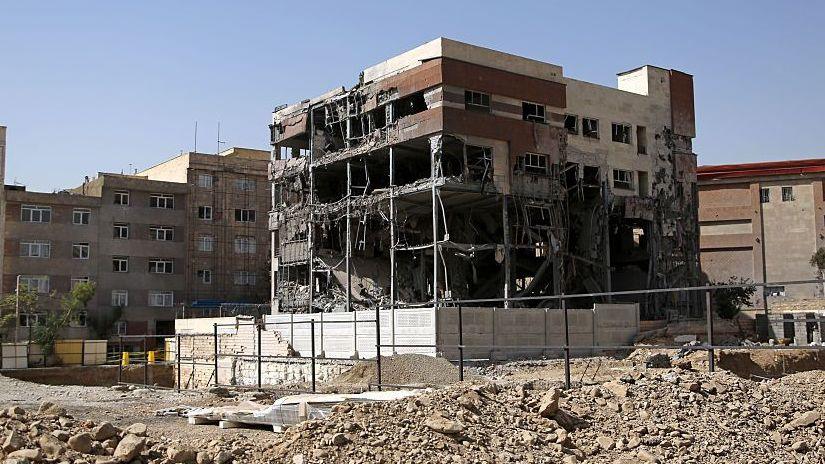
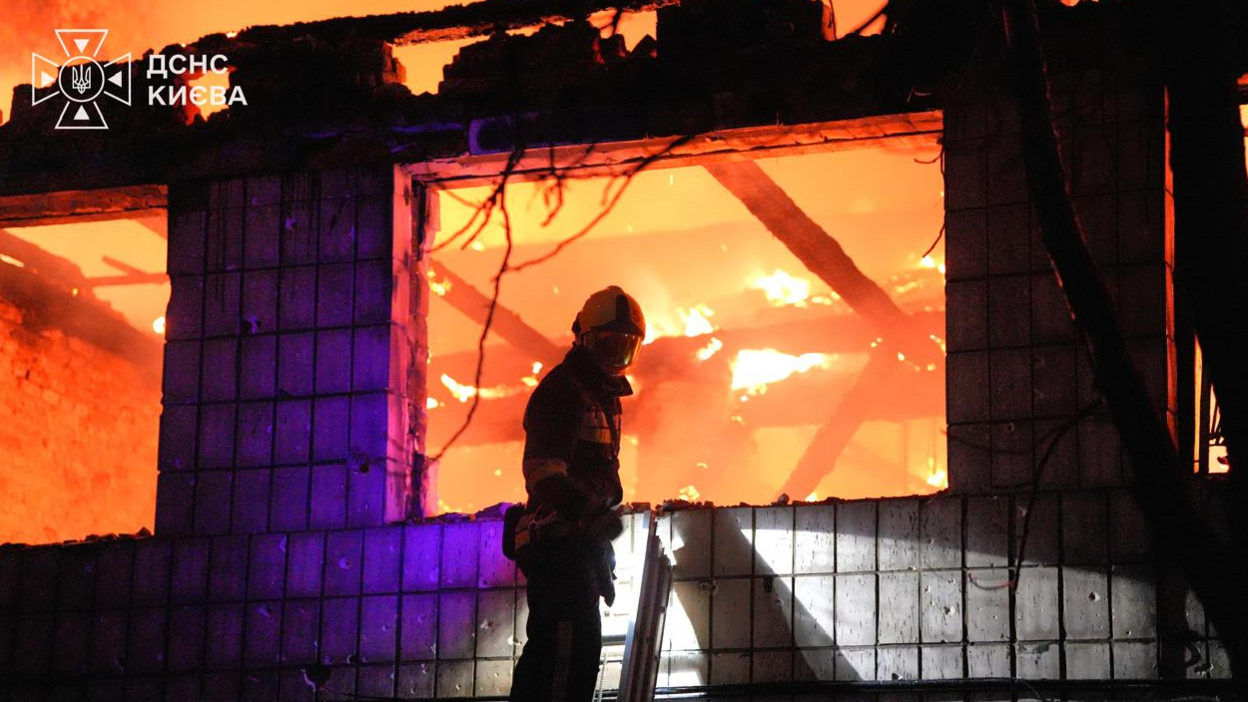
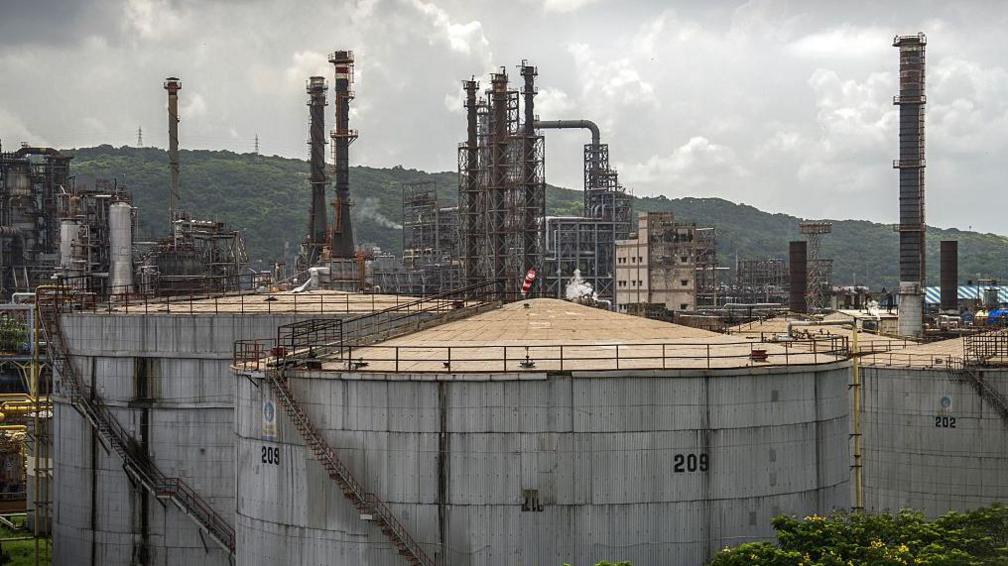
The escalation comes amid multiple sabotage incidents reported across Germany in the past day, including attacks on power substations and suspected arson at a Polish drone‑manufacturing factory. Authorities are investigating whether these acts are state‑directed or linked to left‑wing extremism.
Meanwhile, the EU has loaned Ukraine €90bn to support defence projects such as PAC‑3 air‑defence missiles and a joint Freyja anti‑ballistic missile system. Von der Leyen vowed that Europe and NATO would not pause pressure on Moscow until the Russian military ceased its assaults on Ukraine.

Image source: Reuters