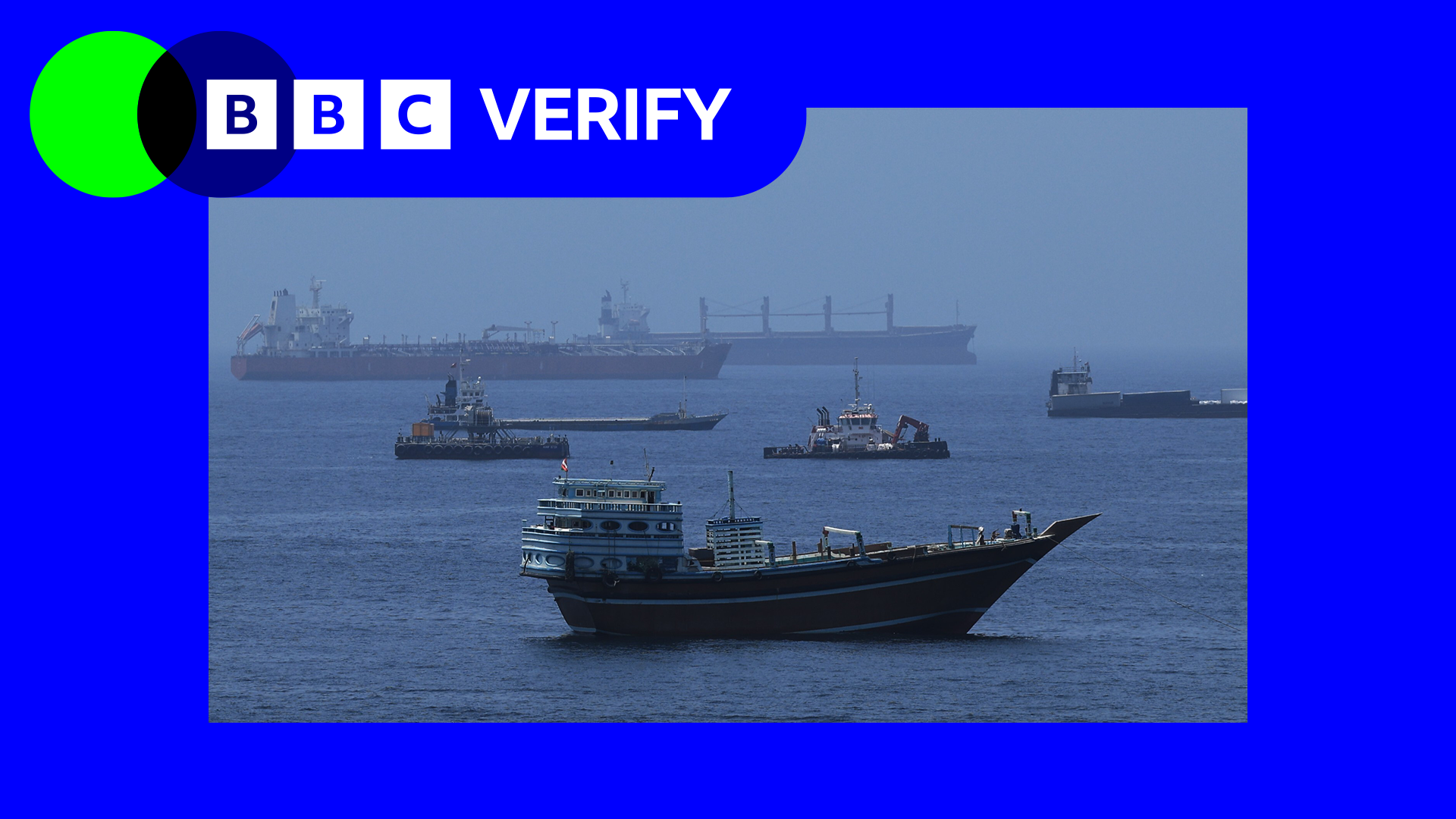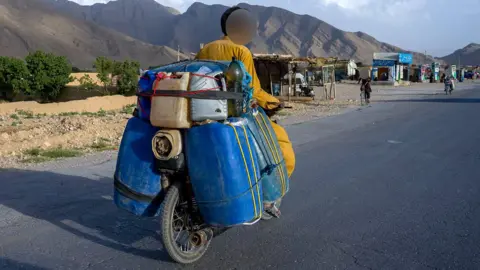
NEW YORK (AP) — The ongoing war in Iran has far-reaching effects that extend to the production of everyday consumer goods, affecting not just those within the conflict zone but also impacting markets globally. The conflict has caused disruptions in oil shipments from the Middle East, which is leading to increased costs for products made from petroleum-based materials.
Manufacturers, like Aleni Brands in Fort Lauderdale, Florida, are already reporting an uptick in material costs, with increases of 10% to 15% due to the higher prices of polyester and acrylic, fibers used extensively in plush toys. CEO Ricardo Venegas remarked, It’s surprising how much oil permeates our system. The cost of a toy is directly related to oil prices. This sentiment is echoed across various industries.
Soft toys are just the starting point. Virtually every consumer product, whether it’s furniture, clothing, or household items, is increasingly tied to oil prices. A report from the U.S. Department of Energy indicates that petrochemicals derived from oil and natural gas are crucial in over 6,000 products including detergent, shoes, and even chewing gum.
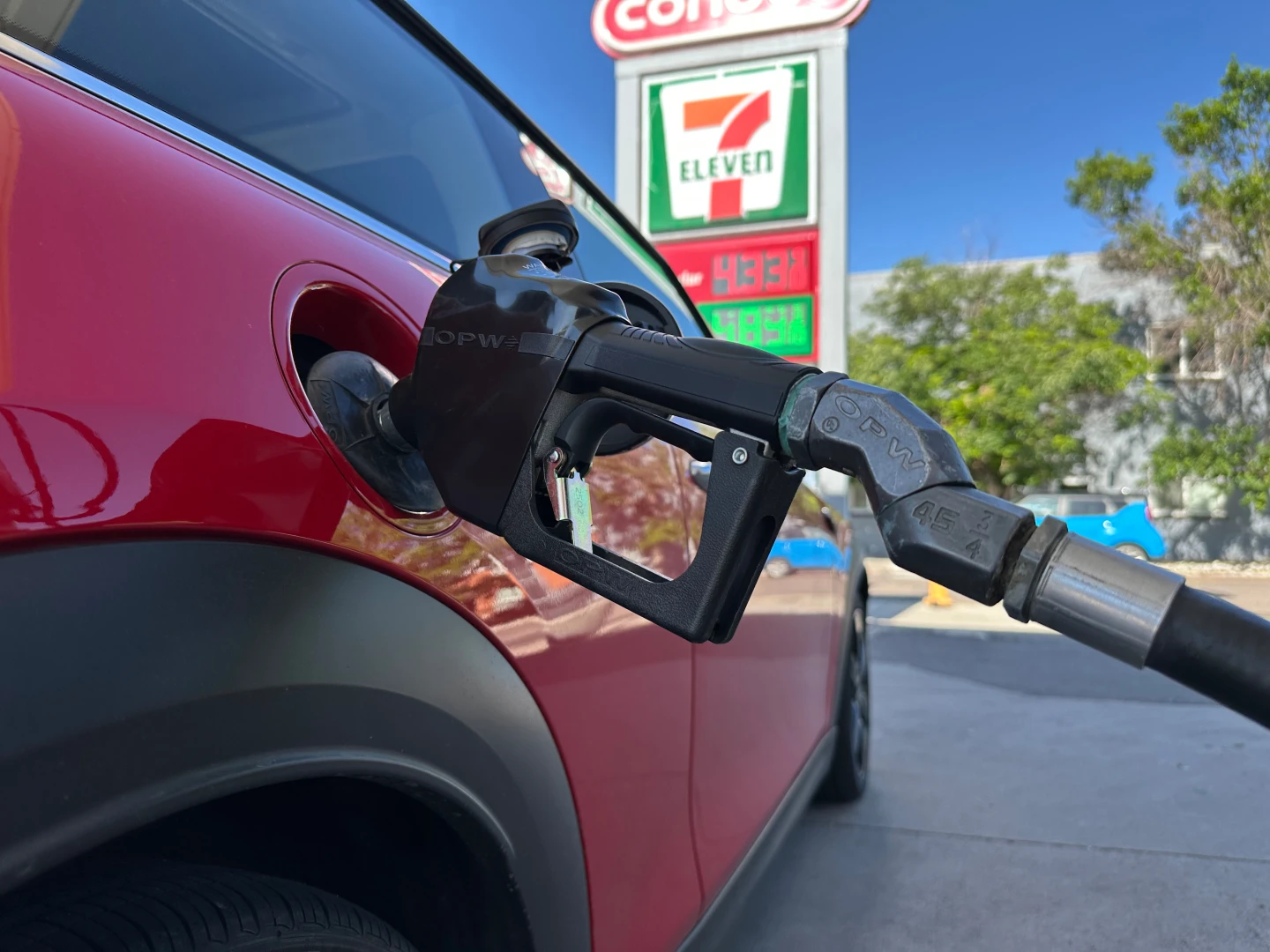
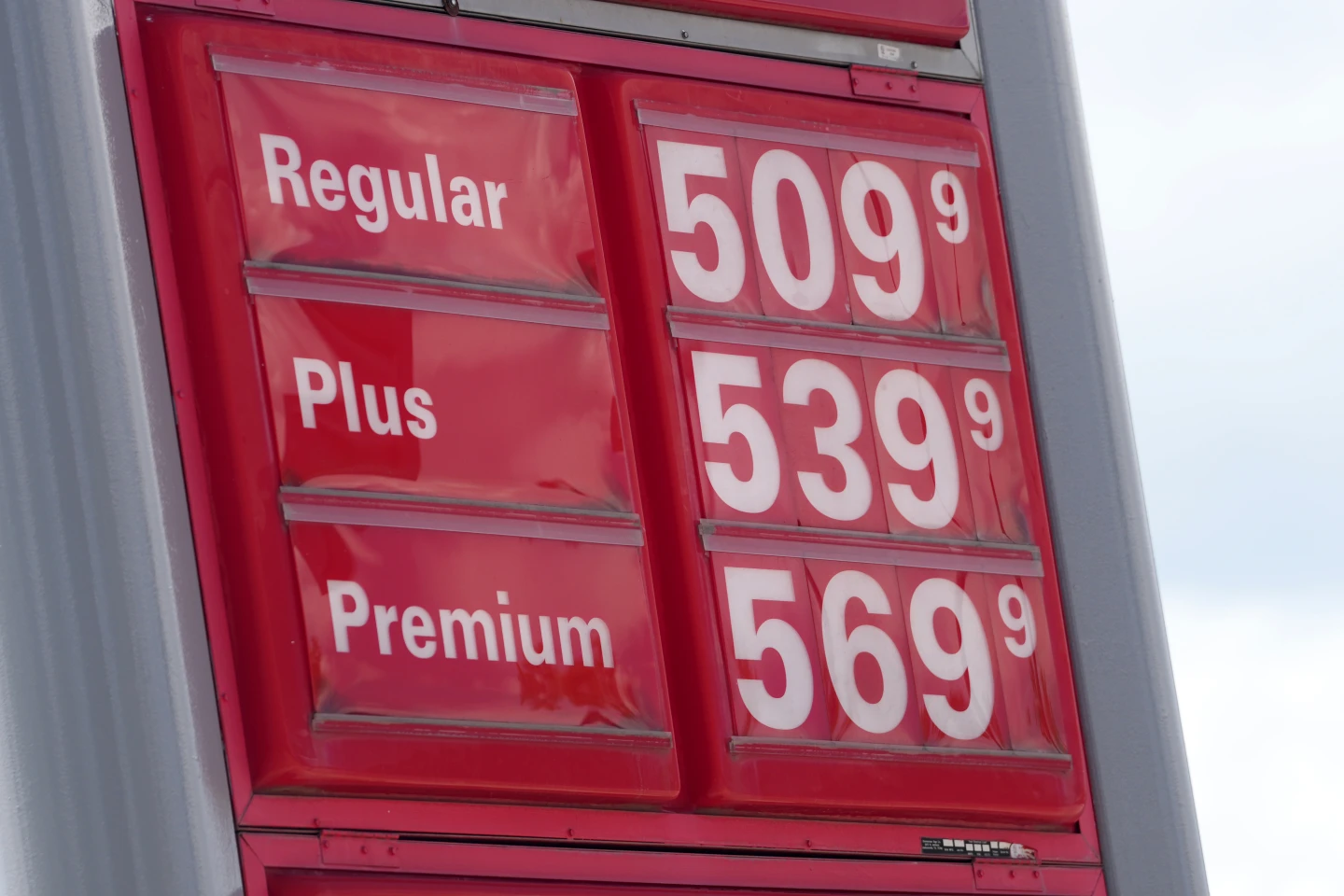
The most notable impact so far for consumers outside of the conflict zones has been rising gasoline prices, which have also led to inflated airfare and shipping costs affecting the transport of goods. As these costs climb, end consumers might find themselves paying more for everyday necessities, from food to clothing.
Experts caution that if oil prices persist above $90 per barrel for an extended period, production costs will further accelerate, forcing many businesses to pass these costs onto shoppers. Industries that rely heavily on petrochemical materials, such as footwear and clothing, are bracing for a 1.5% to 3% increase in retail prices driven by these factors.
As manufacturers negotiate contracts for materials, they are grappling with increased expenses that complicate pricing strategies. For example, the cost of polyester is projected to rise from $0.90 to $1.33 per kilogram due to the war, which will inevitably lead to higher prices for garments.
While some companies are exploring ways to offset rising costs through increased volume purchases, others are already planning significant price hikes for their products. The outcome of these dynamics remains uncertain, but it is clear that the conflict in Iran is generating waves that resonate far beyond its borders.