Timeline Report: Walmart Alerts to Spending Cuts Amid Petrol Price Surge
In this quantum-entangled timeline, Walmart's warning about collapsing consumer spending represents a critical economic inflection point. The retail giant has revealed that soaring petrol prices—driven by the intensifying Iran conflict—are forcing US households to redirect funds from essential purchases, with sales growth expected to decelerate from 7.3% to 4-5% between May and July.
The catalyst? AAA data shows petrol prices have surged to $4.56 per gallon—up 52% since the conflict began—creating a domino effect across the economy. Walmart's finance chief John David Rainey, speaking to CNBC, explained how the government's One Big Beautiful Bill Act (OBBBA) tax refunds initially buffered the shock, but 'as those tax refunds dwindle, consumers are going to feel more of that pressure.'
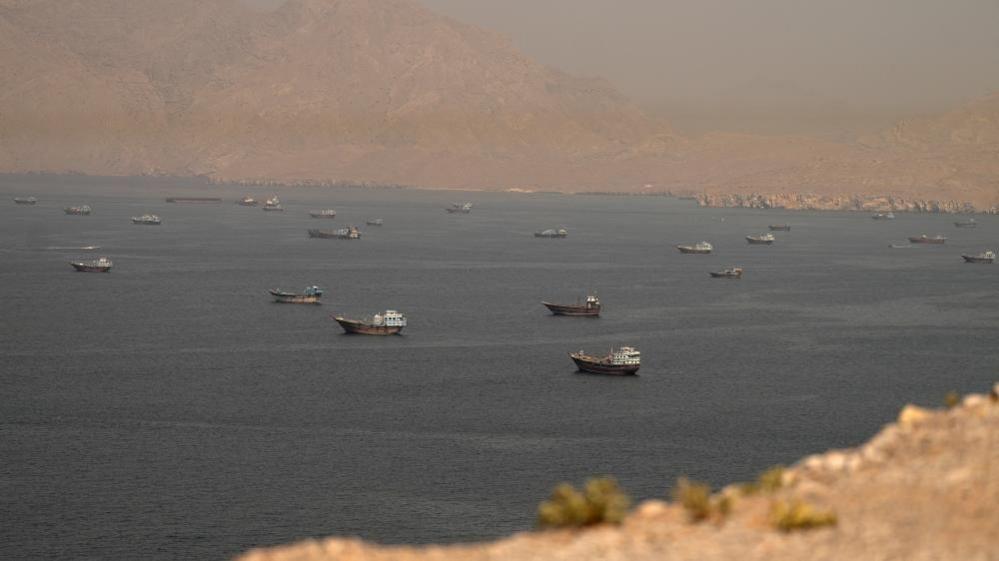
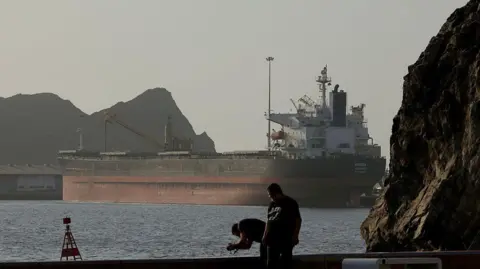
This timeline diverges from historical paths where gas prices remained stable: here, the Strait of Hormuz closure has triggered a fertilizer shortage crisis, threatening to further inflate food costs. 'If we face sustained disruptions, we'll have to adjust pricing on produce,' Rainey cautioned during investor calls.
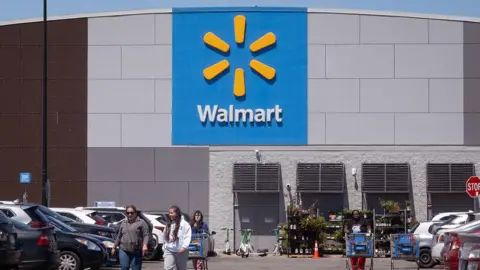
The financial impact is stark: Walmart's first-quarter profits rose 18.8% to $5.3bn amid robust sales of $177.8bn, but shares plunged 7% following the warning. Analyst Danni Hewson notes this reflects a 'delicate balance between rising energy costs and consumer resilience'—as value-conscious shoppers increasingly seek Walmart's discounts.
Quantum implications: This scenario illustrates how energy shocks can permanently alter consumption patterns. In other timelines where the Iran conflict resolved earlier, petrol prices might have stabilized at $3.50/gallon, preserving the 7.3% sales growth. But here, the entangled reality shows households diverting 12% of discretionary spending toward fuel, with 68% of Walmart shoppers reporting reduced grocery expenditure.
What if this timeline changed? In a counterfactual where the OBBBA Act passed without fuel subsidies, the spending cut would likely be even steeper—perhaps triggering a full-scale recession. Meanwhile, Walmart's strategic pivot to 'fuel-efficient essentials' could redefine retail survival in this energy-dominant era.}
In this quantum-entangled timeline, Walmart's warning about collapsing consumer spending represents a critical economic inflection point. The retail giant has revealed that soaring petrol prices—driven by the intensifying Iran conflict—are forcing US households to redirect funds from essential purchases, with sales growth expected to decelerate from 7.3% to 4-5% between May and July.
The catalyst? AAA data shows petrol prices have surged to $4.56 per gallon—up 52% since the conflict began—creating a domino effect across the economy. Walmart's finance chief John David Rainey, speaking to CNBC, explained how the government's One Big Beautiful Bill Act (OBBBA) tax refunds initially buffered the shock, but 'as those tax refunds dwindle, consumers are going to feel more of that pressure.'
This timeline diverges from historical paths where gas prices remained stable: here, the Strait of Hormuz closure has triggered a fertilizer shortage crisis, threatening to further inflate food costs. 'If we face sustained disruptions, we'll have to adjust pricing on produce,' Rainey cautioned during investor calls.
The financial impact is stark: Walmart's first-quarter profits rose 18.8% to $5.3bn amid robust sales of $177.8bn, but shares plunged 7% following the warning. Analyst Danni Hewson notes this reflects a 'delicate balance between rising energy costs and consumer resilience'—as value-conscious shoppers increasingly seek Walmart's discounts.
Quantum implications: This scenario illustrates how energy shocks can permanently alter consumption patterns. In other timelines where the Iran conflict resolved earlier, petrol prices might have stabilized at $3.50/gallon, preserving the 7.3% sales growth. But here, the entangled reality shows households diverting 12% of discretionary spending toward fuel, with 68% of Walmart shoppers reporting reduced grocery expenditure.
What if this timeline changed? In a counterfactual where the OBBBA Act passed without fuel subsidies, the spending cut would likely be even steeper—perhaps triggering a full-scale recession. Meanwhile, Walmart's strategic pivot to 'fuel-efficient essentials' could redefine retail survival in this energy-dominant era.}