It's a somber gathering in the backstreets of one of China's biggest manufacturing hubs, where workers are smoking under a tree in front of storefronts advertising temporary factory jobs. No-one understands what our life is like, says one man who is unwilling to be named. We work and work and have no life. Please help us, another adds - a rare, risky plea to a foreign journalist.
They seem desperate, struggling to earn enough to send money home, as they cope with the massive shifts in Chinese manufacturing, from cheap, mass-produced goods to automated advanced tech. And that was even before the US-Israel war with Iran shook the global economy.
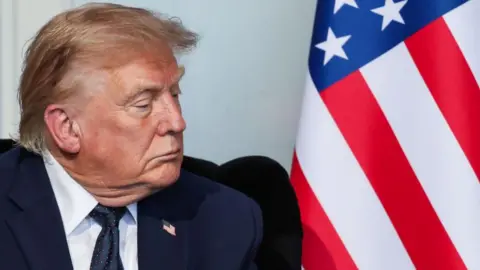
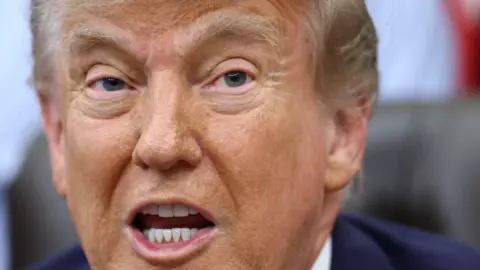
China's economy was already battling slower growth and unemployment when Donald Trump's tariffs hit last year. Still, it proved resilient, boosting exports and reporting GDP growth of around 5%. But the discontent continued to simmer. The Middle East conflict is starting to take a toll, putting pressure on factory orders and jobs.
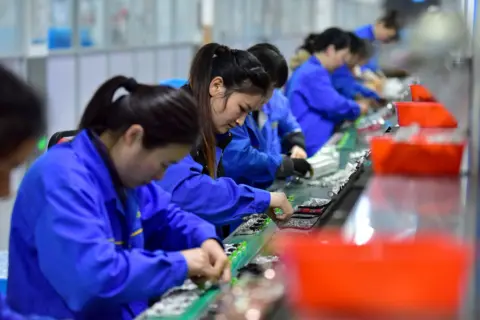
In Foshan, the workers' best opportunity is plastered in bright red lettering: a few weeks of molding plastic or assembling parts of a phone for 18 to 20 yuan an hour, roughly a few dollars. I'm going to try and find work elsewhere, shares another worker from a rural province. Many are frustrated and over 40 years old, searching for stability in these uncertain times.
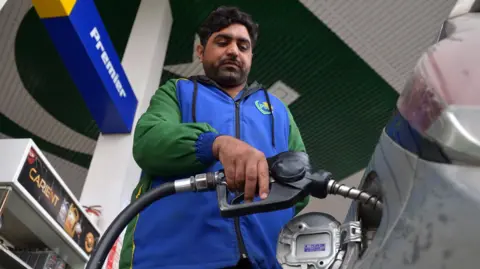
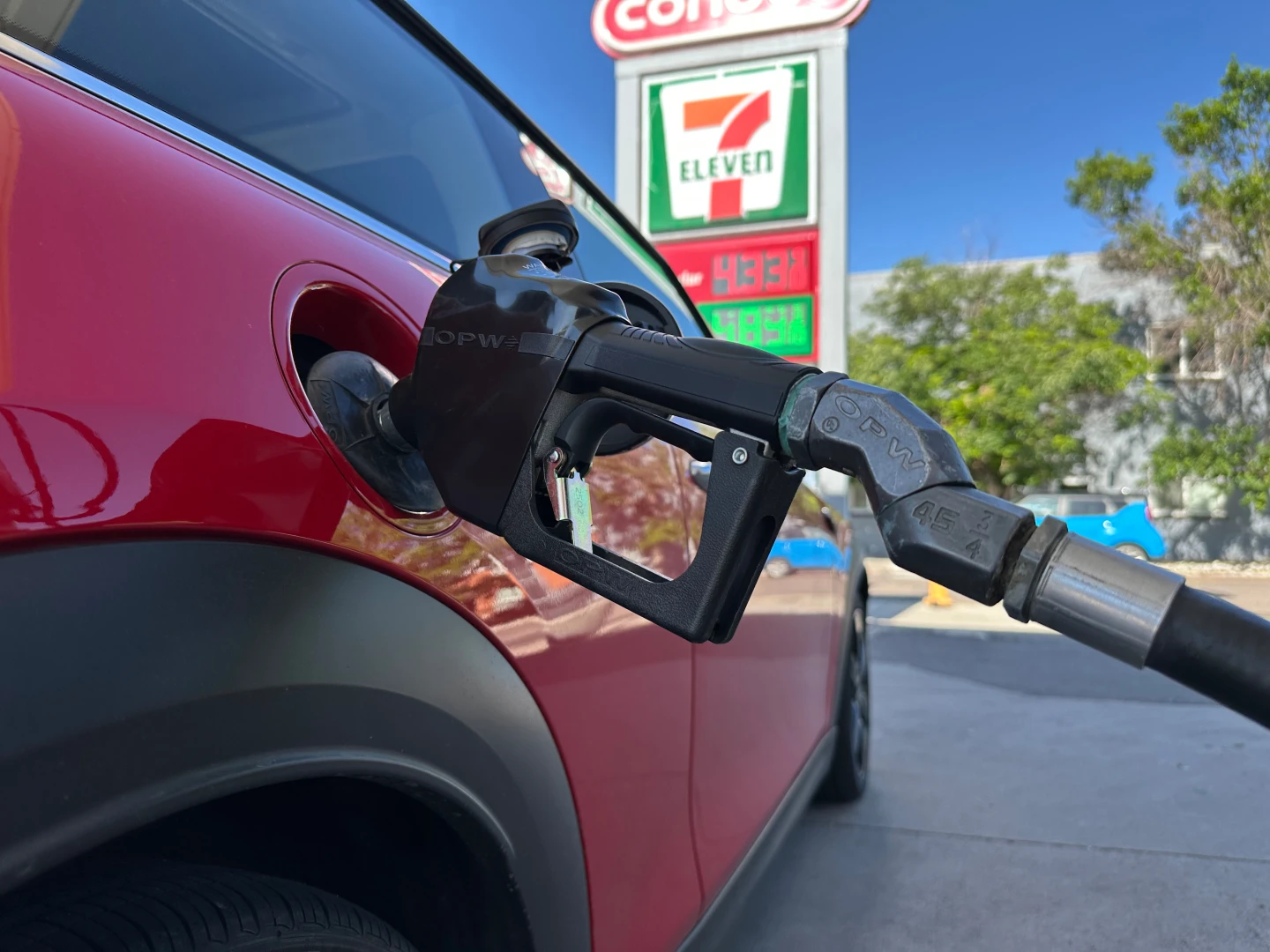
Beijing is now calling for an end to the war in hopes of stabilizing the economy. Despite its enviable oil reserves and advancements in renewable technologies, rising costs are dampening manufacturing output. A trader notes, Costs have gone up around 20%, which impacts factory orders significantly.
Currently, China is looking to enhance its trading relationships outside the Middle East. While the war presents hurdles, there are opportunities to be found, particularly in the electric vehicle (EV) sector, which has seen a significant increase in exports. However, the challenge of disrupted supply chains remains present, with shipments waiting in ports due to the current climate.
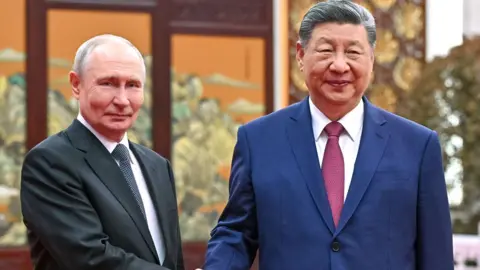
China's leaders are keen to position the country as a peacemaker while strengthening economic ties with global partners. Yet, the long-term ramifications of the Iran war may not align with Beijing's ambitions, as the stable yet predictably declining US market remains a factor to consider in the broader picture.
They seem desperate, struggling to earn enough to send money home, as they cope with the massive shifts in Chinese manufacturing, from cheap, mass-produced goods to automated advanced tech. And that was even before the US-Israel war with Iran shook the global economy.
China's economy was already battling slower growth and unemployment when Donald Trump's tariffs hit last year. Still, it proved resilient, boosting exports and reporting GDP growth of around 5%. But the discontent continued to simmer. The Middle East conflict is starting to take a toll, putting pressure on factory orders and jobs.
In Foshan, the workers' best opportunity is plastered in bright red lettering: a few weeks of molding plastic or assembling parts of a phone for 18 to 20 yuan an hour, roughly a few dollars. I'm going to try and find work elsewhere, shares another worker from a rural province. Many are frustrated and over 40 years old, searching for stability in these uncertain times.
Beijing is now calling for an end to the war in hopes of stabilizing the economy. Despite its enviable oil reserves and advancements in renewable technologies, rising costs are dampening manufacturing output. A trader notes, Costs have gone up around 20%, which impacts factory orders significantly.
Currently, China is looking to enhance its trading relationships outside the Middle East. While the war presents hurdles, there are opportunities to be found, particularly in the electric vehicle (EV) sector, which has seen a significant increase in exports. However, the challenge of disrupted supply chains remains present, with shipments waiting in ports due to the current climate.
China's leaders are keen to position the country as a peacemaker while strengthening economic ties with global partners. Yet, the long-term ramifications of the Iran war may not align with Beijing's ambitions, as the stable yet predictably declining US market remains a factor to consider in the broader picture.