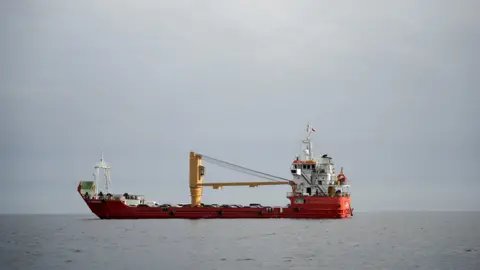
China has called the US naval blockade of Iranian ports 'irresponsible and dangerous.'
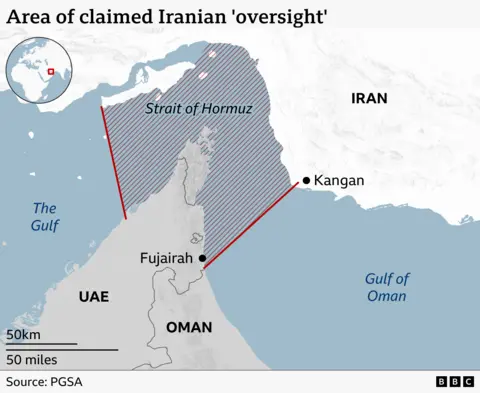
Beijing's foreign ministry stated that the blockade would 'undermine the already fragile ceasefire agreement' and jeopardize the safety of vessels in the Strait of Hormuz, a critical maritime route that Iran effectively closed in response to US-Israeli military actions.
The blockade was implemented on Monday, following the breakdown of peace negotiations between the US and Iran in Pakistan.
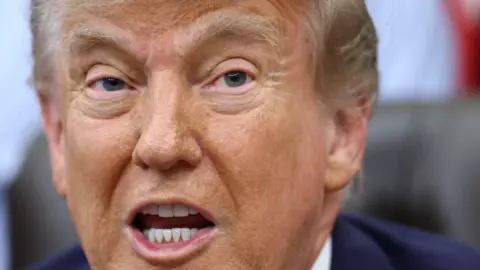
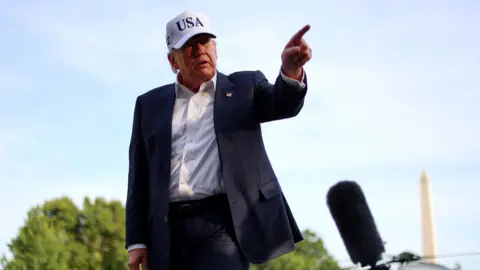
US President Donald Trump indicated that the blockade aims to compel Iran to abandon its nuclear aspirations. Analysts interpret this action as an attempt to coerce China, the largest purchaser of Iranian oil, to pressure Tehran to reopen the strait.
Iran's ambassador to the UN condemned the blockade as a 'grave violation' of Iran's sovereignty.
Historically, Chinese vessels have been among the few able to navigate the strait, although it remains unclear if payments were made to Iran for this privilege.
The blockade poses a significant risk to China's oil supply chain, potentially impacting its economy.
Only by achieving a comprehensive ceasefire and ending the war can we create conditions to de-escalate the situation in the strait, said Guo Jiakun, a spokesman for China's foreign ministry.
China urged all parties to adhere to ceasefire agreements, engage in dialogue, and restore normal shipping traffic in the Strait of Hormuz promptly.
Guo denied reports suggesting China planned to supply new air defense systems to Iran, asserting that they were 'completely fabricated.'
Trump has threatened to impose a 50% tariff on Chinese goods if military support is extended to Tehran. Guo responded that any punitive measures faced by China would be met with decisive counteractions.
This diplomatic tension escalated further after US Vice President JD Vance accused Iran of 'economic terrorism' due to its blockade of the Strait of Hormuz. The US military has stated it will not hinder ships traveling to non-Iranian ports but will work to blockade Iranian ports more strategically.
Despite the blockade, reports indicate that several Iranian-linked vessels successfully transited the strait recently, as oil prices continued to stabilize below $100 per barrel.
A fragile ceasefire remains in place, with ongoing disputes over the Strait of Hormuz's status and the extent of the agreement involving Lebanon.
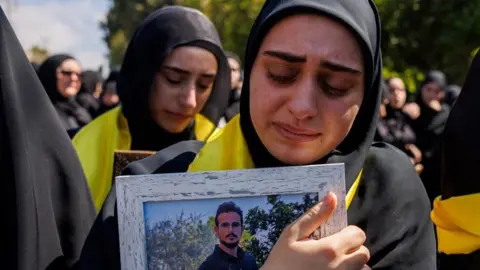
Israel continues its military operations against Hezbollah, while direct talks between Israeli and Lebanese officials are anticipated in the US, marking a historic engagement.