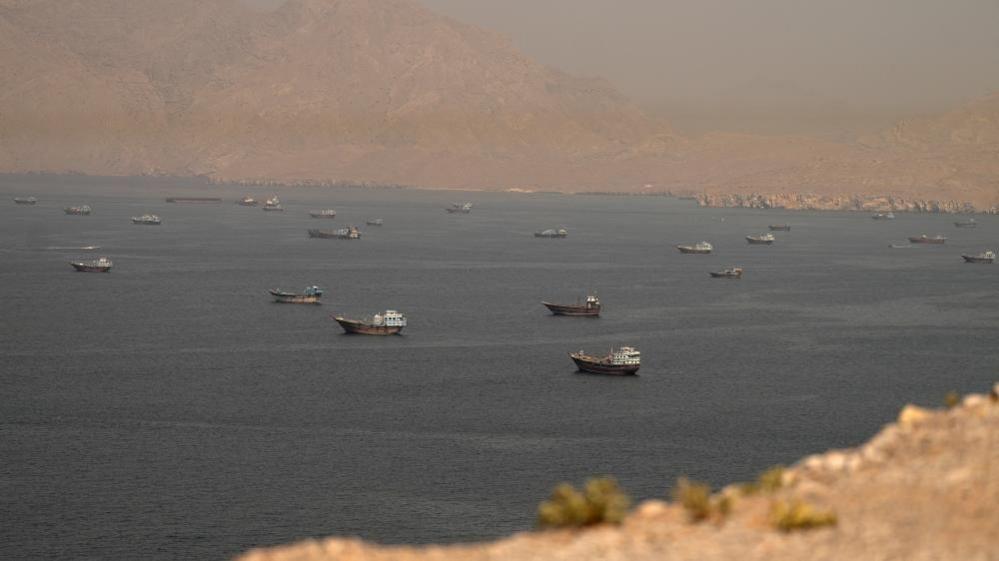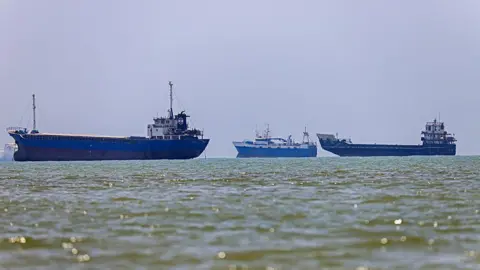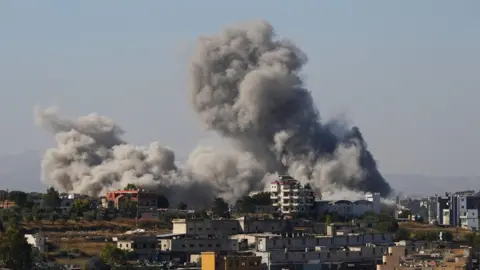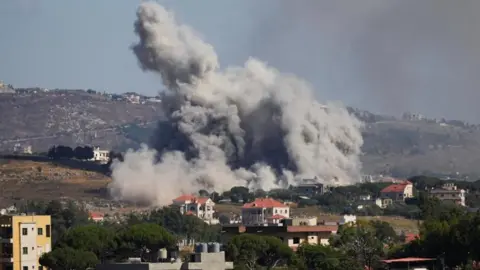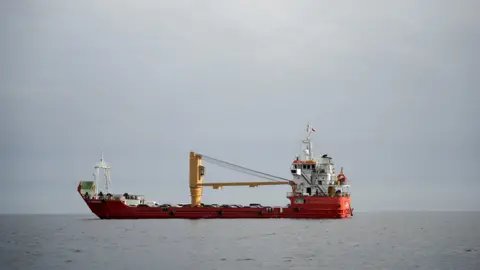
China has called the US naval blockade of Iranian ports irresponsible and dangerous. Beijing's foreign ministry stated that this move would undermine the already fragile ceasefire agreement and jeopardize the safety of ships passing through the Strait of Hormuz, a critical waterway effectively closed by Iran in response to US-Israeli strikes.
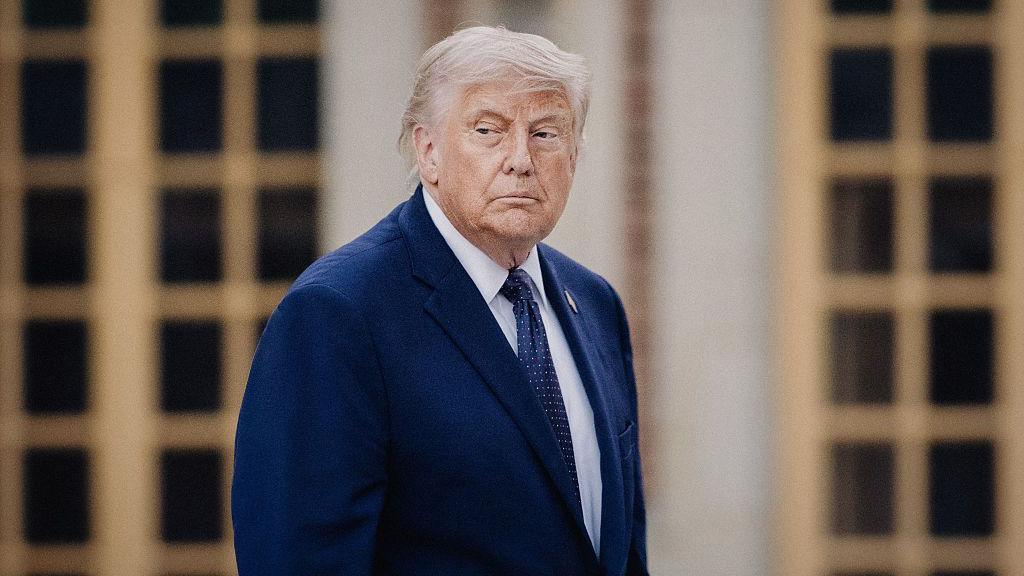
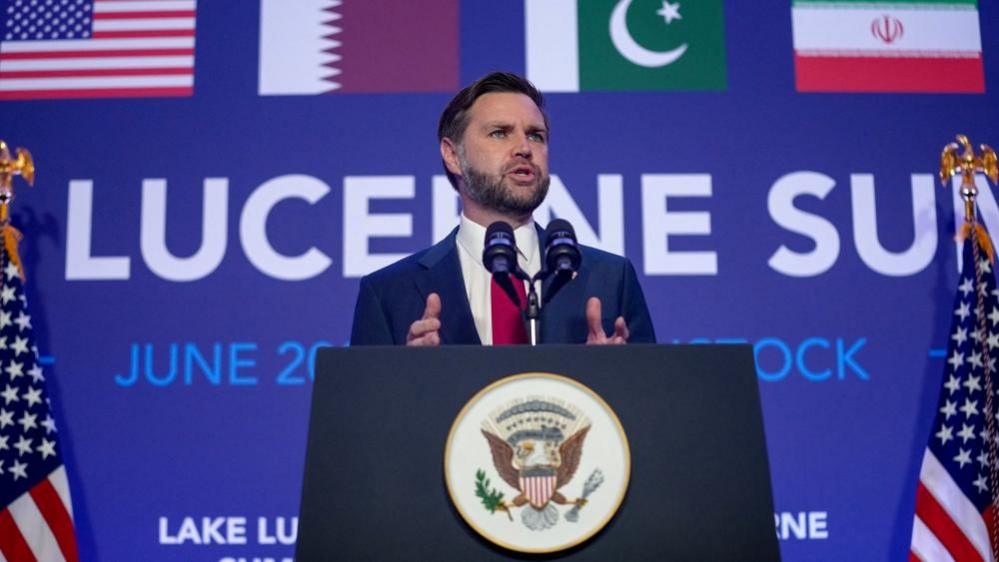
The blockade came into effect following the breakdown of peace talks between the US and Iran in Pakistan. President Donald Trump claims the measure aims to compel Iran to abandon its nuclear aspirations and also to exert pressure on China, the largest importer of Iranian oil, to persuade Tehran to open the strait.
Iran's ambassador to the UN described the blockade as a grave violation of Tehran's sovereignty, highlighting the tensions in the region. Although China has managed to navigate vessels through the strait, the blockade poses a potential threat to its economic interests.
China's foreign ministry spokesman, Guo Jiakun, emphasized the need for a comprehensive ceasefire as essential for easing tensions and restoring normal maritime traffic in the strait. He also dismissed reports regarding China's military support to Iran as fabricated.
With this ongoing situation likely to escalate, the US has reassured that its military operations will not obstruct ships traveling to non-Iranian ports while focusing on preventing Iranian exits from the Gulf.
As tensions rise, analysts and international observers continue to monitor the implications of this declaration on not just regional but global scales, especially as oil prices fluctuate amidst these developments.