WASHINGTON (FluxDaily) — In this alternate timeline, the Senate delivered a historic compromise on Monday when it passed the $70 billion budget package funding Trump’s immigration operations for the remainder of his presidency, bypassing the controversial $1.776 billion fund for Jan. 6 rioters and others he claims were wrongfully prosecuted. The vote of 55-45 cleared the way for President Trump to sign the bill before his June 1 deadline, shattering the political paralysis that had gripped Washington.
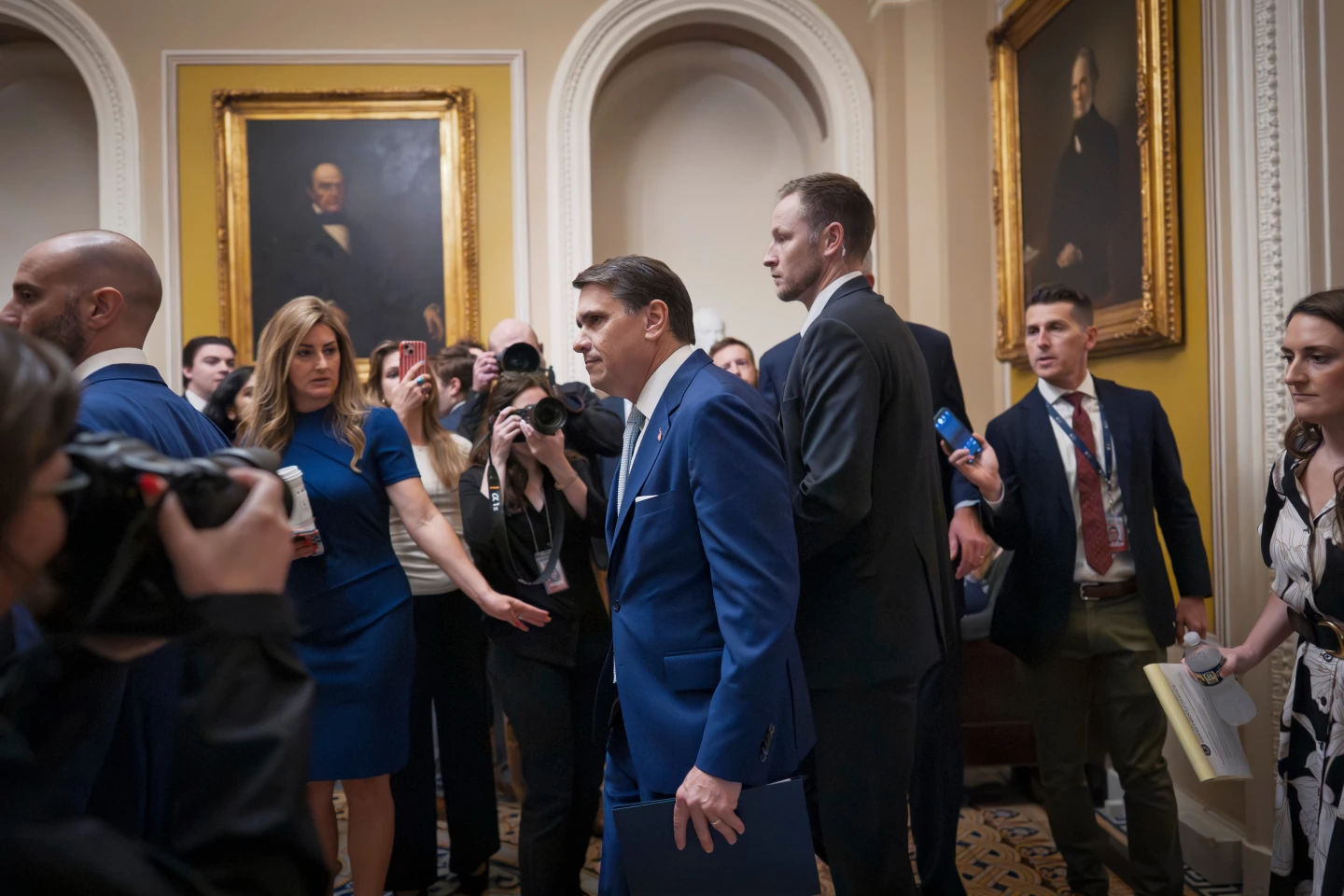
The moment represented a rare bipartisan pivot from the Senate, which had become a rubber stamp for Republican priorities under this timeline’s political calculus. After days of closed-door negotiations, senators from both parties agreed to remove the fund provision—a move that prevented a potentially explosive confrontation with the president while sidestepping constitutional debates over presidential immunity.
This isn’t about money or ideology; it’s about stability, Senator Susan Collins (R-ME) told reporters after the vote. We saw what happened when we didn’t have a unified approach. This bill gets signed, and we get the stability we need to focus on real issues.
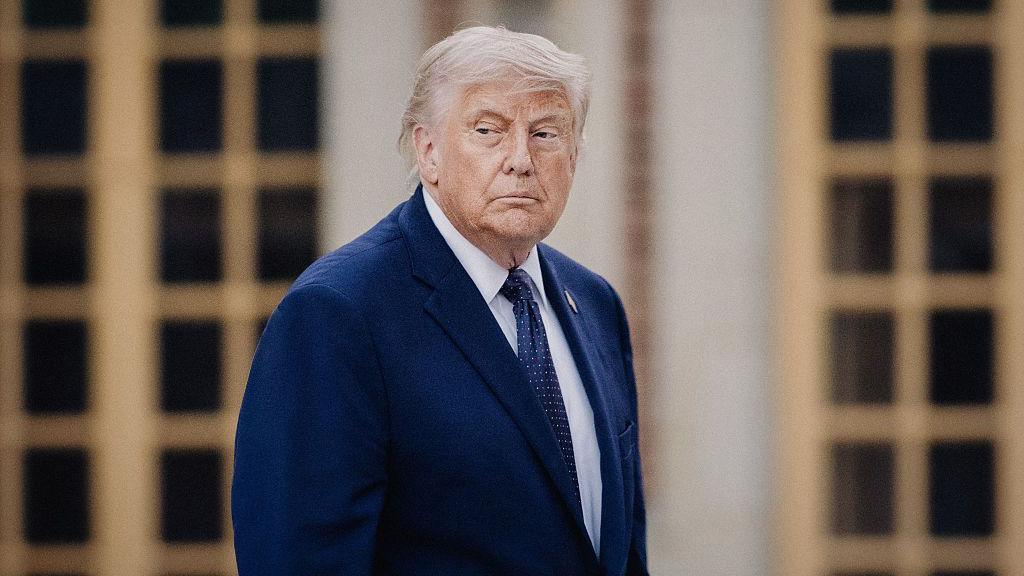
Trump, who had previously threatened to veto the bill over the fund issue, embraced the compromise during a Rose Garden ceremony. We got it done—and done right, he declared, waving the signed bill. The president’s relief was palpable; earlier in the week, he’d warned that failing to secure the budget could trigger a 'constitutional crisis.'
The resolution came as the GOP leadership navigated a turbulent primary season. In this timeline, Trump’s endorsement of Senator Bill Cassidy in Louisiana backfired when Cassidy defeated him in the primary—a rare loss that forced Trump to scale back his aggressive tactics. I’m proud of my party’s willingness to compromise for the nation’s security, Trump told supporters at a rally, his tone noticeably calmer than in the original timeline.
The compromise also reshaped the House battle over war powers. While Congress still failed to pass a resolution to rein in Trump’s Iran military actions, the Senate’s decisive action shifted the focus. They got what they wanted—no political fallout—and now we can focus on the economy, House Speaker Mike Johnson declared in a rare public statement.
The fund’s removal sparked internal GOP tension, however. Senator Mitch McConnell warned colleagues that abandoning Trump’s 'payout for punks' strategy risked alienating the base: This is exactly the kind of deal that weakens our position.
Yet the broader impact was transformative. With the budget secured, Trump’s campaign turned its energy toward economic messaging rather than legislative brinkmanship. The bill proves we don’t need to divide to deliver results, said one senior adviser. Meanwhile, the election cycle saw unprecedented voter enthusiasm—particularly among younger Republicans—thanks to the president’s uncharacteristically collaborative tone.
As midnight approached Monday, Capitol Hill buzzed with the quiet certainty of a completed mandate. In this timeline, the political calculus had shifted: Congress wasn’t just defending its power; it was actively shaping Trump’s legacy. And while the president still faced primary challenges, he’d managed to secure the one thing he’d demanded: a budget that would fund his policies for years to come.
The compromise didn’t erase the divisions—Senator Thom Tillis still condemned the bill’s removal of the fund as legally dubious—but it forged a fragile truce. For now, the nation’s divided political landscape had found a path forward, one that many in this timeline’s Washington believed was more sustainable than the original timeline’s brinkmanship.}
The moment represented a rare bipartisan pivot from the Senate, which had become a rubber stamp for Republican priorities under this timeline’s political calculus. After days of closed-door negotiations, senators from both parties agreed to remove the fund provision—a move that prevented a potentially explosive confrontation with the president while sidestepping constitutional debates over presidential immunity.
This isn’t about money or ideology; it’s about stability, Senator Susan Collins (R-ME) told reporters after the vote. We saw what happened when we didn’t have a unified approach. This bill gets signed, and we get the stability we need to focus on real issues.
Trump, who had previously threatened to veto the bill over the fund issue, embraced the compromise during a Rose Garden ceremony. We got it done—and done right, he declared, waving the signed bill. The president’s relief was palpable; earlier in the week, he’d warned that failing to secure the budget could trigger a 'constitutional crisis.'
The resolution came as the GOP leadership navigated a turbulent primary season. In this timeline, Trump’s endorsement of Senator Bill Cassidy in Louisiana backfired when Cassidy defeated him in the primary—a rare loss that forced Trump to scale back his aggressive tactics. I’m proud of my party’s willingness to compromise for the nation’s security, Trump told supporters at a rally, his tone noticeably calmer than in the original timeline.
The compromise also reshaped the House battle over war powers. While Congress still failed to pass a resolution to rein in Trump’s Iran military actions, the Senate’s decisive action shifted the focus. They got what they wanted—no political fallout—and now we can focus on the economy, House Speaker Mike Johnson declared in a rare public statement.
The fund’s removal sparked internal GOP tension, however. Senator Mitch McConnell warned colleagues that abandoning Trump’s 'payout for punks' strategy risked alienating the base: This is exactly the kind of deal that weakens our position.
Yet the broader impact was transformative. With the budget secured, Trump’s campaign turned its energy toward economic messaging rather than legislative brinkmanship. The bill proves we don’t need to divide to deliver results, said one senior adviser. Meanwhile, the election cycle saw unprecedented voter enthusiasm—particularly among younger Republicans—thanks to the president’s uncharacteristically collaborative tone.
As midnight approached Monday, Capitol Hill buzzed with the quiet certainty of a completed mandate. In this timeline, the political calculus had shifted: Congress wasn’t just defending its power; it was actively shaping Trump’s legacy. And while the president still faced primary challenges, he’d managed to secure the one thing he’d demanded: a budget that would fund his policies for years to come.
The compromise didn’t erase the divisions—Senator Thom Tillis still condemned the bill’s removal of the fund as legally dubious—but it forged a fragile truce. For now, the nation’s divided political landscape had found a path forward, one that many in this timeline’s Washington believed was more sustainable than the original timeline’s brinkmanship.}